How to Choose Between Your Top 3 Logo Design Concepts?
One of the biggest advantages of running a logo design contest is the variety of creative ideas you receive. Instead of settling for a single concept, you get to explore multiple approaches to your brand identity. The challenge begins when several of those concepts are equally strong. Many business owners narrow the options to three finalists but struggle to decide which one best represents their company.
The answer is not always the logo that looks the most attractive at first glance. A successful logo must work across different applications, connect with the right audience, and support your brand for years to come. This guide will help you confidently choose the strongest logo from your top contenders.
The Cost of Choosing the Wrong Finalist
When comparing your top three logo concepts, it is easy to focus on which one looks the most appealing. The problem is that a logo is not simply a design asset. It becomes part of every customer interaction your business has moving forward. A weak choice can create challenges that are difficult and expensive to fix later.
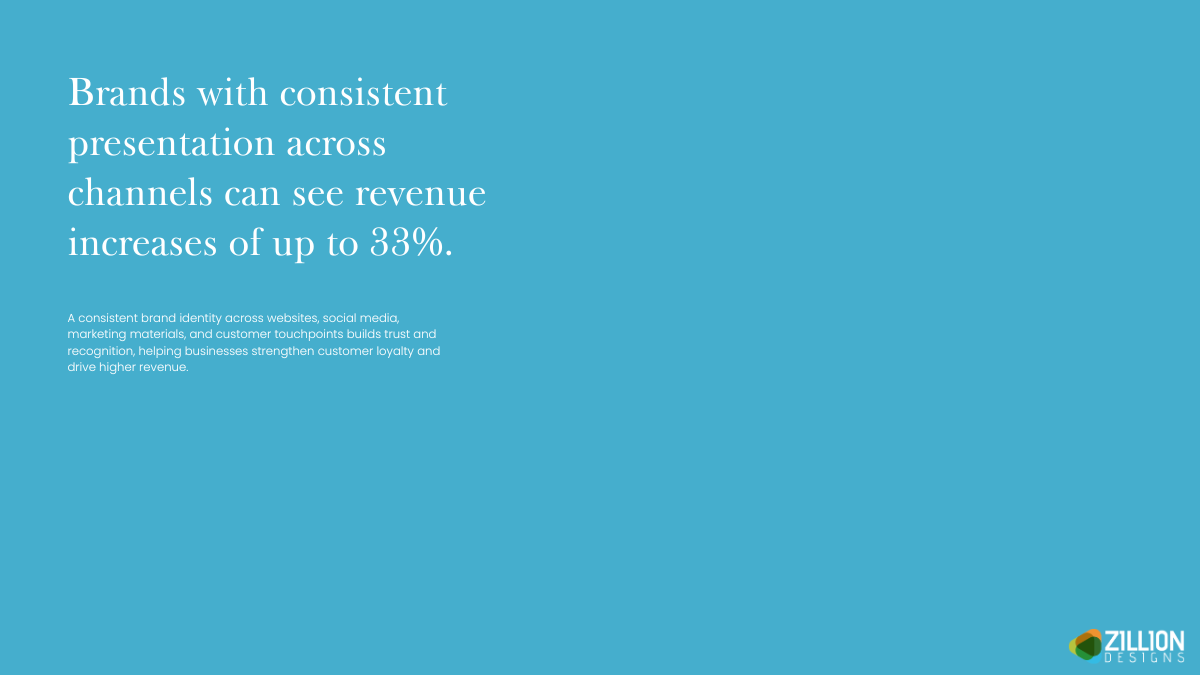
According to a study by Lucidpress, consistent brand presentation can increase revenue by up to 33%, showing how important a strong and cohesive visual identity can be to business growth. Your logo sits at the center of that identity.
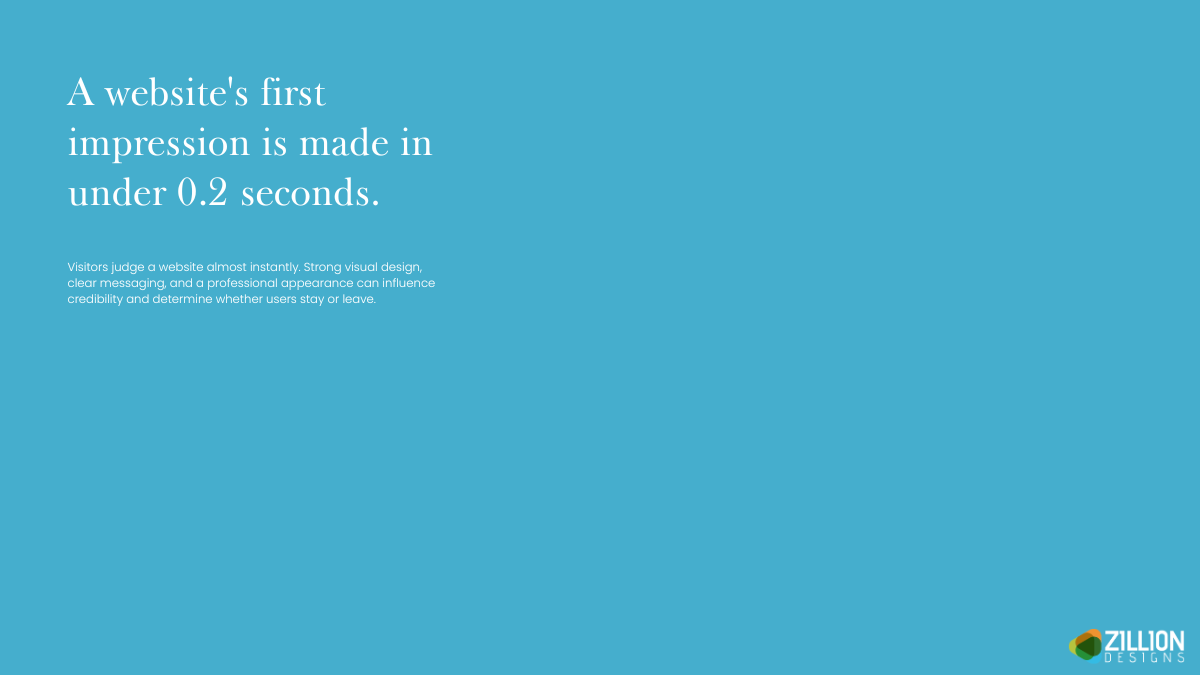
The wrong logo can also affect how customers perceive your business. Research from the Missouri University of Science and Technology found that people form a first impression of a website in less than 0.2 seconds, with visual elements playing a major role in that judgment. Since your logo is often one of the first brand elements people notice, its design can influence credibility before a customer reads a single word.
Making a strategic choice now is far easier than correcting a poor one later. Rebranding requires updating websites, social profiles, packaging, signage, marketing materials, and other brand assets. So, before deciding on winning entries in logo contests, it is worth taking a step back and evaluating which design will serve the business best over the long term rather than simply choosing the one that generates the strongest initial reaction.
Step 1: Stop Looking at the Logos and Look at Your Brand First
Before you start comparing your top three concepts, take a moment to shift your focus away from the designs themselves. Many logo decisions go wrong because business owners choose the option they personally like best rather than the one that best represents the brand.
A logo is not meant to reflect your taste. It is meant to communicate something specific to your audience. Establishing clear criteria before evaluating the designs helps remove bias and ensures every concept is judged by the same standards.
Define What Your Logo Needs to Communicate
Start by revisiting the foundation of your brand. Ask yourself:
- What are the core values of the business?
- How do you want customers to describe your brand?
- Who is your ideal audience?
- What impression should people form when they first see the logo?
For example, a law firm logo may aim to communicate trust, professionalism, and stability, while a children’s brand logo may prioritize creativity, energy, and fun. The strongest logo will visually support those goals rather than contradict them.
Create a Simple Evaluation Checklist
Once your brand objectives are clear, create a short list of qualities that every finalist should be measured against.
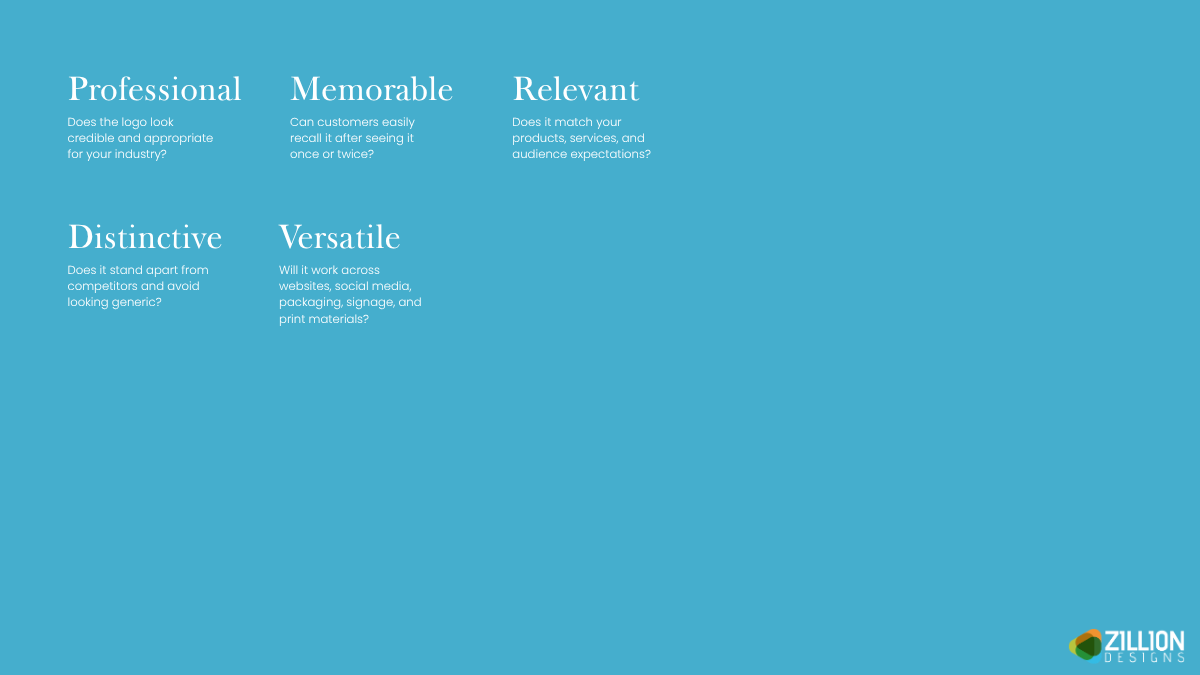
- Professional: Does the logo look credible and appropriate for your industry?
- Memorable: Can customers easily recall it after seeing it once or twice?
- Relevant: Does it match your products, services, and audience expectations?
- Distinctive: Does it stand apart from competitors and avoid looking generic?
- Versatile: Will it work across websites, social media, packaging, signage, and print materials?
As you review each concept, score it against these criteria rather than relying on first impressions. You may be surprised to find that the logo you initially overlooked performs better than your personal favorite when viewed through a business lens.
Step 2: See How Each Logo Performs in the Real World
A logo may look impressive on a presentation slide, but that does not guarantee it will work everywhere your brand appears. One of the easiest ways to separate strong concepts from weak ones is to test them in realistic situations.
The best logos maintain their clarity, impact, and recognizability whether they appear on a phone screen, a business card, a storefront sign, or company merchandise. A well-designed logo also creates a consistent brand identity across custom letterhead and business cards, helping customers recognize your business wherever they encounter it.
1. The Favicon Test
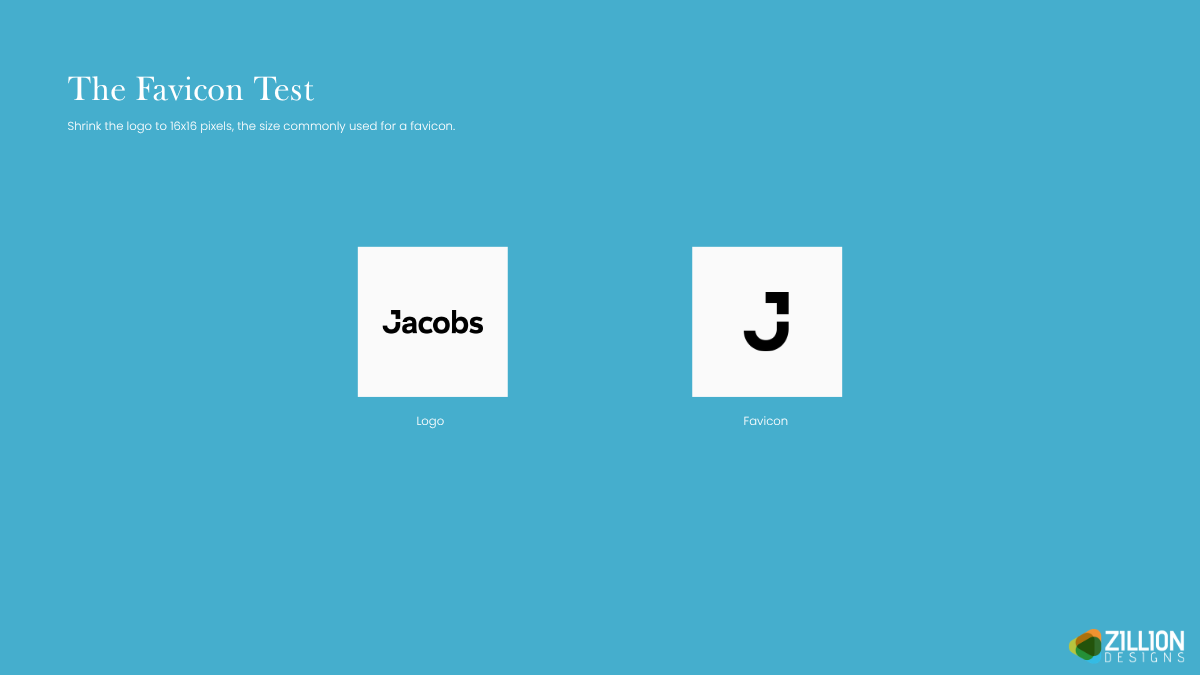
Start by shrinking each logo to 16×16 pixels, the size commonly used for a website tab icon or favicon design.
Ask yourself:
- Can you still identify the logo instantly?
- Do important details disappear?
- Does the icon become a confusing shape or blur?
Modern customers often encounter brands on small screens first. If a logo cannot survive at its smallest size, it may struggle across many digital touchpoints.
2. The Social Media Profile Test
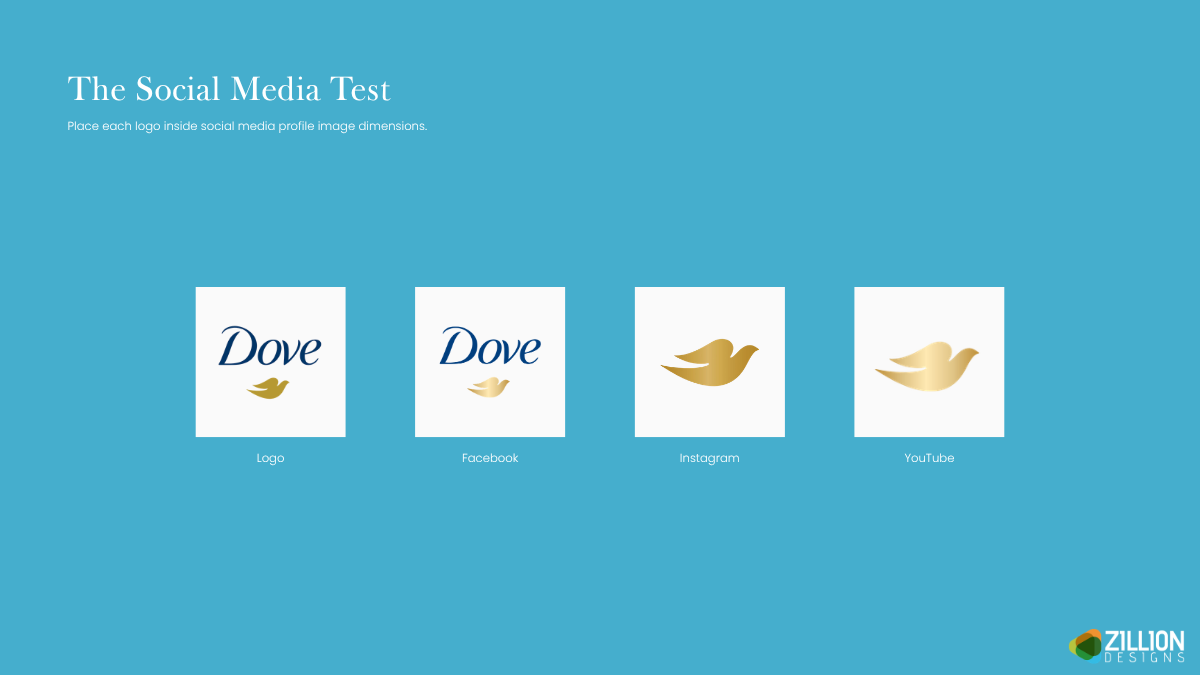
Next, place each logo inside social media profile image dimensions.
Look at how it appears in:
- Circular profile photos
- Square profile photos
- Mobile app views
- Search results and comment sections
Some logos that look balanced in a horizontal layout become cramped or unreadable when cropped into a small profile image. A strong concept should remain recognizable even when viewed at a glance.
3. The Black and White Test
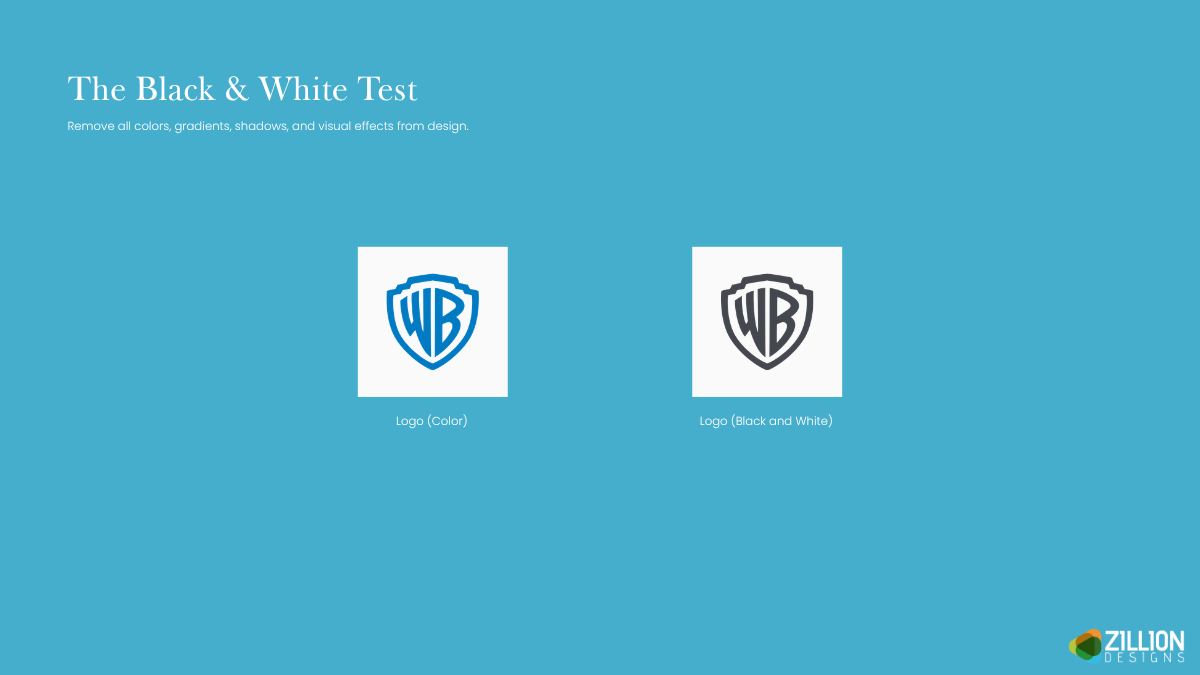
Remove all colors, gradients, shadows, and visual effects from each design.
Then evaluate:
- Does the logo still make sense?
- Is it recognizable without color?
- Does it retain its visual hierarchy?
Many of the world’s most successful logos work perfectly in a single color. Think of the Target bullseye, or the Adidas three-stripe mark. Even without their familiar colors, these logos remain easy to recognize because their core designs are strong enough to stand on their own. If a design depends heavily on gradients or effects to communicate its identity, it may create challenges when reproduced across different applications.
4. The Embroidery and Merchandise Test
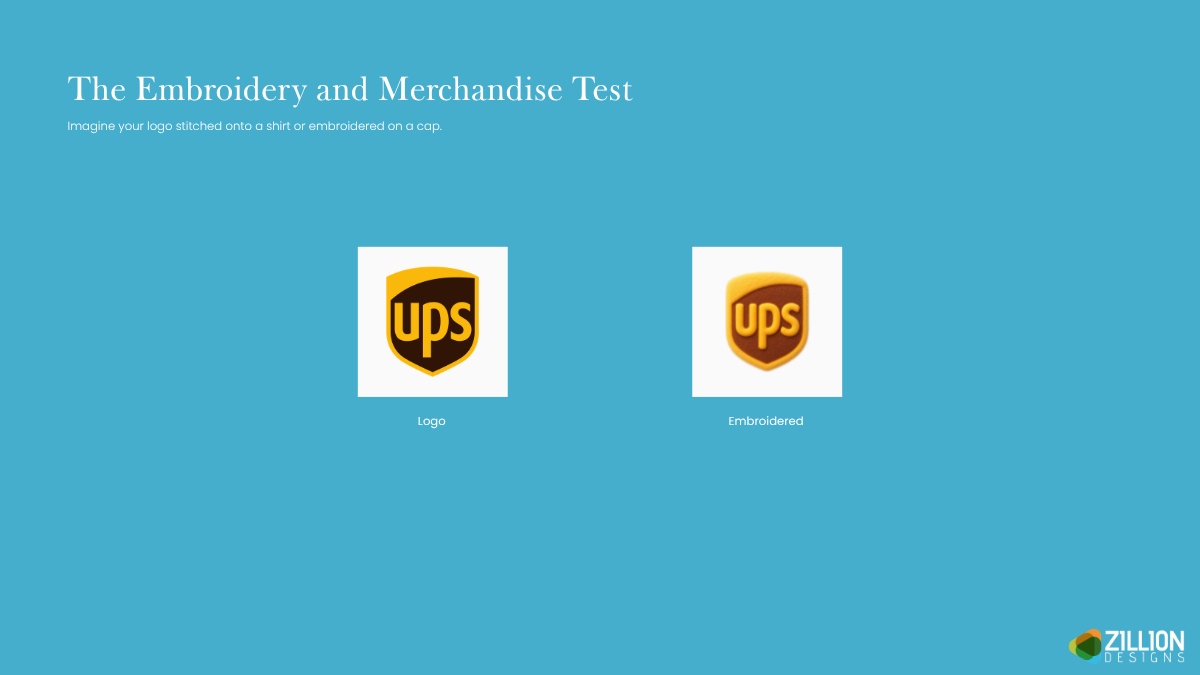
Imagine your logo stitched onto a polo shirt, embroidered on a cap, printed on a pen, or placed on promotional merchandise.
Watch for:
- Thin lines that may disappear
- Tiny details that become distorted
- Complex patterns that are difficult to reproduce
- Small text that becomes unreadable
Simple, well-structured logos tend to perform much better across physical products and branded merchandise.
5. The Large-Format Test
Finally, view each concept at a much larger scale.
Picture it on:
- Building signage
- Trade show displays
- Vehicle wraps
- Billboards
- Large print materials for branding
Sometimes a logo that looks polished at a small size can feel awkward or unbalanced when enlarged. Excessive empty space, overly delicate elements, or unusual proportions often become more noticeable at larger scales.
A logo that passes all five tests demonstrates versatility, which is one of the most valuable qualities any brand mark can have. If one of your finalists consistently performs well across every size and format, it deserves serious consideration.
Step 3: Choose the Logo Customers Will Actually Remember
A logo does not exist in isolation. Once it enters the market, it competes for attention alongside dozens or even hundreds of other brands in your industry. That is why evaluating your finalists against competitor logos is such an important step.
The best logo often sits between two extremes. It feels appropriate for the industry while still giving customers a reason to remember the brand.
• Study Competitor Logos
Before selecting a winner, spend some time reviewing the visual identities of both direct and indirect competitors.
Pay attention to:
- Common color palettes
- Frequently used symbols and icons
- Typography styles
- Layout and composition trends
You may notice patterns emerging. Law firms often lean toward traditional serif fonts and conservative color schemes. Tech companies frequently use minimalist symbols and clean sans-serif typography. Understanding these trends helps you see where your logo fits within the market.
• Avoid Looking Like Everyone Else
Industry conventions can be helpful, but following them too closely can create a different problem: blending in.
If several competitors use nearly identical colors, icons, or design styles, customers may struggle to distinguish one brand from another. This is especially true in crowded industries where people make quick decisions based on visual recognition.
As you compare your top three concepts, ask:
- Would this logo stand out next to competitors?
- Could someone mistake it for another company?
- Does it introduce something unique without feeling out of place?
If you notice similarities between your finalists and existing brands, this is the perfect time to provide designers with feedback and request refinements. Sometimes a small adjustment to the typography, icon, or layout is enough to create stronger differentiation without losing the strengths of the original concept.
• Balance Familiarity and Differentiation
The strongest concept is rarely the most conventional or the most unusual. Instead, it strikes a balance between the two.
A logo that follows industry expectations too closely can feel generic. On the other hand, a design that completely ignores those expectations may confuse potential customers.
Look for the concept that:
- Feels credible within your industry
- Reflects your brand’s personality
- Highlights what makes your business different
- Supports your unique market position
When evaluating your finalists, don’t simply ask which logo looks best. Ask which one gives customers the clearest reason to remember your brand instead of the competition. That answer will often point you toward the strongest long-term choice.
Step 4: Evaluate Brand Alignment
A technically well-designed logo can still be the wrong choice if it does not reflect your brand’s personality. At this stage, the question is no longer whether the logo looks good. The question is whether it accurately represents who you are as a business.
Strong logo design and brand identity work together to create a consistent impression, helping customers understand what your company stands for before they interact with your products or services.
• Does the Design Match Your Brand Personality?
Every logo communicates something, even when it is not intentional. As you review your finalists, think about the message each one sends at first glance.
Consider where your brand falls on these spectrums:
- Modern or traditional
- Luxury or affordable
- Playful or professional
- Bold or understated
- Innovative or dependable
A premium jewelry brand and a neighborhood repair service may both need professional logos, but the personality they communicate should be very different. The strongest concept will align naturally with the image you want customers to associate with your business, which is why investing in brand design services can help ensure every visual element reflects your brand identity consistently.
• Analyze Typography Choices
The words in your logo matter, but so does the way they are presented. Typography in design plays a major role in shaping perception and can completely change the personality of a logo.
As you compare concepts, consider:
- Serif fonts often convey heritage, trust, and sophistication.
- Sans serif fonts typically feel modern, clean, and approachable.
- Script fonts can add elegance, creativity, or a personal touch.
- Custom lettering may create a more distinctive and memorable identity.
Understanding when to use each logo style can help you determine whether the typography supports your brand goals or sends the wrong message. A highly decorative script, for example, may work beautifully for a wedding business but feel out of place for a financial consultancy.
• Examine Symbols and Visual Elements
Icons, shapes, and graphic elements should strengthen the brand message rather than distract from it.
Ask yourself:
- Does the symbol relate to the business or its values?
- Does it add meaning or simply fill space?
- Will customers understand the intended message?
Be careful of visual elements that create mixed signals. A playful icon paired with formal typography, for example, can make it difficult for customers to understand the brand’s personality. The best logos feel cohesive, with every element working toward the same message.
• Look Beyond Current Trends
Design trends come and go. What feels fresh today may feel dated a few years from now.
When evaluating your finalists, consider whether the design relies heavily on trends such as overly simplified symbols, fashionable color combinations, or popular typography styles. While trends can provide inspiration, they should not be the foundation of your identity.
Instead, look for qualities that tend to stand the test of time:
- Simplicity
- Clarity
- Relevance
- Memorability
A logo that remains effective for a decade is often a better investment than one that feels cutting-edge for a single year. Choosing a timeless concept now can save your business from an unnecessary rebrand later.
Step 5: Find the Logo People Will Remember Tomorrow
Customers rarely spend more than a few seconds looking at a logo. They may see it while scrolling through social media, passing a storefront, or browsing search results. If people cannot remember the logo shortly afterward, it becomes much harder for that design to build recognition over time.
When comparing your top three concepts, memorability should be one of the most important factors in your decision.
• The Five-Second Test
One of the simplest ways to measure memorability is to limit exposure time.
Show each logo to a few people for about five seconds, then remove it and ask questions such as:
- What do you remember most about the logo?
- What shape, symbol, or color stood out?
- Could you recognize it again later?
If viewers struggle to recall anything specific, the design may not leave a strong enough impression. The most memorable logos usually contain one or two distinctive elements that people can quickly identify and retain.
• The Sketch Test
Another useful exercise is to ask someone to roughly draw the logo from memory after viewing it.
The goal is not artistic accuracy. Instead, pay attention to whether people can remember the basic structure, icon, or overall concept.
This test often reveals an important truth about logo design: simpler logos are usually easier to remember. When a design contains too many details, shapes, or visual effects, people tend to remember very little of it. A cleaner concept gives the brain fewer elements to process and makes recognition easier.
• The Recognition Factor
Think about the brands you instantly recognize. In most cases, their logos are not complicated.
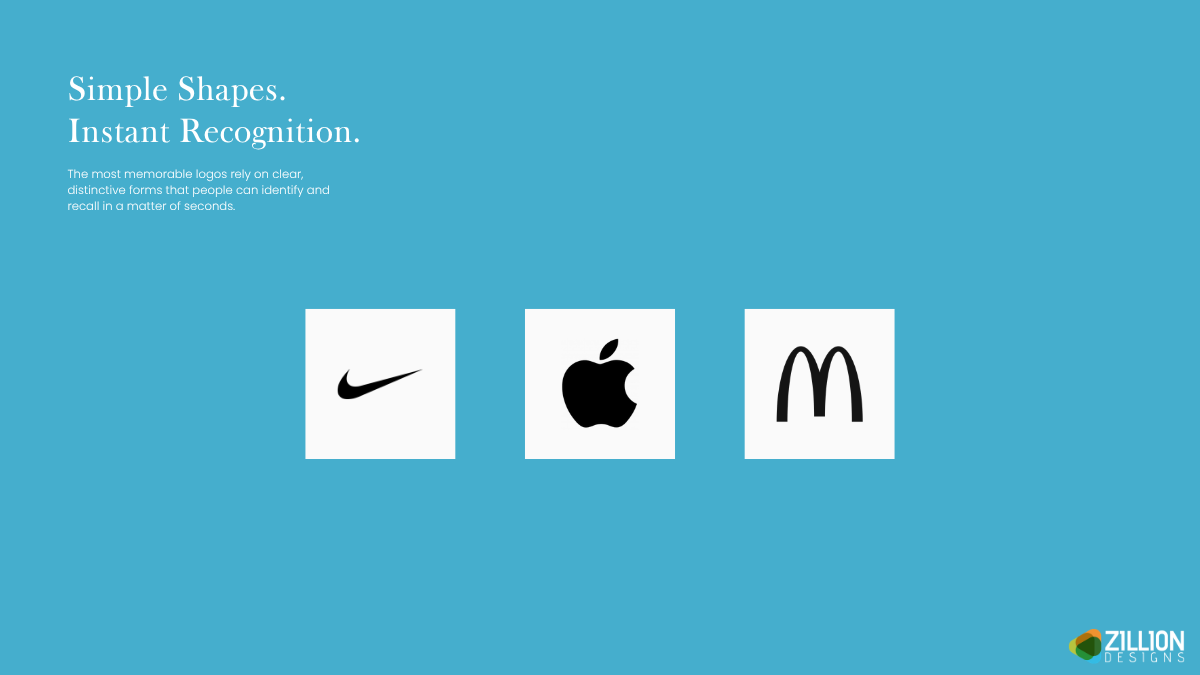
The famous swoosh of Nike, the bitten apple of Apple, and the golden arches of McDonald’s are all built around simple, distinctive visual elements. None of them rely on intricate details or complex artwork. Instead, they use clear shapes and memorable design cues that people can recognize in a fraction of a second. That simplicity is a major reason these logos remain effective across different countries, platforms, and generations.
As you compare your finalists, ask:
- Does the logo have a defining characteristic?
- Would it stand out in a crowded marketplace?
- Could someone identify it without seeing the company name?
- Is the design easy to describe to another person?
Strong recognition is often the result of simplicity combined with uniqueness. A logo does not need to be complex to be memorable. In fact, the opposite is often true. The concept that people recall most easily after a brief glance may be the one with the greatest long-term branding potential.
Step 6: Let Real People Test Your Assumptions
After reviewing logo concepts for days or weeks, it becomes difficult to judge them objectively. A blind test helps you see how people who are unfamiliar with the project interpret each design. Their reactions can reveal whether a logo is communicating the message you intended.
• Choose the Right Participants
Focus on people who are most relevant to your business, such as:
- Existing customers
- Potential customers
- Industry peers
- Business mentors
A handful of relevant opinions is usually more valuable than dozens of random ones.
• Ask Better Questions
Instead of asking, "Which logo do you like best?", ask questions that uncover perception rather than preference.
Try asking:
- What kind of company does this look like?
- What three words come to mind?
- Which logo appears most trustworthy?
- Which logo would you remember tomorrow?
The answers will tell you far more than a simple vote.
• Look for Patterns, Not Individual Opinions
Avoid making decisions based on one person’s feedback. Individual preferences can be highly subjective.
Instead, look for recurring themes. If multiple people describe the same logo as professional, memorable, or trustworthy, that feedback is worth paying attention to. The strongest concept is often the one that consistently communicates the right message across different participants.
Step 7: Choose a Logo Your Future Business Can Grow Into
The strongest logos leave room for growth. What represents your company today should still make sense as the business evolves. Before selecting a winner, think beyond your current products, services, and audience. A logo that works perfectly now may become restrictive if the business expands in new directions.
• Will the Logo Still Fit in Five Years?
Consider where your business could be in the future.
Ask yourself:
- Could you expand into new products or services?
- Might you enter new markets or locations?
- Could your target audience grow or change over time?
A logo should be flexible enough to support these changes without feeling outdated or irrelevant.
• Avoid Designs That Feel Too Limiting
Some concepts can unintentionally lock a business into a narrow identity.
Be cautious of:
- Geographic references that may not make sense if you expand elsewhere
- Product-specific imagery that could become irrelevant as offerings grow
- Trend-based visuals that may quickly feel dated
The best logo is not always the one that perfectly describes what you do today. It is often the one that can grow alongside your business for years to come.
Make Your Final Choice With Confidence
Choosing between your top three logo concepts becomes much easier when you evaluate them systematically. Instead of relying on first impressions, test each design for versatility, memorability, brand alignment, differentiation, and audience response. The strongest logo is not necessarily the most visually exciting. It is the one that clearly communicates your brand, stands apart from competitors, and remains effective across different applications and future business growth.
Still searching for the perfect logo? Launch a logo design contest and receive multiple custom concepts from talented designers, giving you more creative options and a better chance of finding a logo that truly fits your brand.