A Comprehensive Guide to Digital Marketing: PPC, Social Media, and Paid Ads
This step-by-step guide to digital marketing explains how businesses can use PPC, content marketing, and social media marketing strategies to increase visibility, attract customers, and achieve measurable growth through a well-planned marketing strategy.
Digital marketing has changed the way businesses connect with customers. From PPC campaigns and content marketing to social media marketing services, brands now have more ways to reach the right audience at the right time. The challenge is knowing which channels to prioritize and how they fit into a larger marketing strategy. This digital marketing step-by-step guide breaks down the key components of a successful approach, helping businesses understand how different tactics work together to support long-term growth.
Why Digital Marketing Matters
The way people research and buy products has changed. Before making a decision, customers often compare options online, read reviews, browse social media platforms, and visit multiple websites. Businesses that fail to establish a strong digital presence risk missing opportunities to connect with potential customers at every stage of the buying journey.
A thoughtful online marketing strategy allows brands to reach the right audience with the right message at the right time. Unlike traditional advertising, digital marketing offers measurable results, flexible budgeting, and the ability to adjust campaigns based on performance. Whether you are focused on lead generation, sales, or long-term brand building, digital marketing services provide the tools needed to support sustainable growth.
Digital marketing also plays a different role depending on where customers are in their decision-making process:
- Awareness: Build visibility through social media, content, and paid advertising.
- Consideration: Educate potential customers with valuable content, SEO, and email campaigns.
- Conversion: Encourage action through optimized landing pages, PPC campaigns, and compelling offers.
- Retention: Strengthen customer relationships with remarketing, email marketing, and loyalty initiatives.
When these efforts work together as part of a broader marketing strategy, businesses are better positioned to attract, convert, and retain customers over time.
The Core Pillars of Digital Marketing
The most effective digital marketing strategies are built on foundational pillars: paid marketing, social media marketing, and content marketing. While each serves a different purpose, they work best when integrated into a broader marketing strategy designed to attract, engage, and convert the right audience.
1. Paid Marketing
Paid marketing helps businesses generate visibility quickly by placing their message in front of people actively searching for solutions or browsing online. From search ads to paid social media advertising, these campaigns can accelerate growth when supported by strong targeting and ongoing optimization.
• PPC Advertising
PPC advertising allows businesses to appear in search results when users are looking for relevant products or services. Platforms such as Google Ads, Yahoo, and Bing make it possible to target high-intent audiences based on keywords and demographics.
Successful PPC campaigns often rely on:
- Thorough keyword research
- Conversion tracking and reporting
- Effective bid strategies
- Retargeting campaigns
- Ongoing ad testing and optimization
Businesses investing in advertising digital channels often use PPC to support product launches, seasonal promotions, and lead generation efforts.
• Online Reputation Management (ORM)
Online reputation management plays an important role in building credibility. Positive reviews and prompt responses can influence purchasing decisions and strengthen customer trust.
Common ORM activities include:
- Monitoring reviews across platforms
- Responding professionally to customer feedback
- Addressing concerns before they escalate
- Maintaining a trustworthy online presence
Strong social media reputation monitoring practices can also support broader digital marketing services by protecting brand perception.
2. Social Media Marketing
Social media marketing helps brands connect with audiences through conversations, storytelling, and community engagement. As part of a larger social media and marketing approach, it can increase awareness, strengthen customer relationships, and support business objectives.
• Social Media Management
Effective social media management involves much more than publishing content. It requires planning, consistency, and a clear understanding of audience behavior.
This often includes:
- Profile optimization across social media platforms
- Developing a social media content calendar
- Managing social media handles consistently
- Community engagement and audience interaction
- Influencer collaborations
- Performance tracking and reporting
Social media management is especially valuable for businesses exploring small business social media marketing initiatives with limited resources.
• Social Media Design
Visual content influences how audiences perceive and engage with a brand. Creative assets should be tailored to each platform while maintaining a consistent identity.
Examples include:
- Feed posts
- Stories and reels
- Ad creatives
- Banners and promotional graphics
Whether businesses use in-house teams or social media agency services, well-designed assets can improve engagement and click-through rates.
• Social Ads
Paid campaigns on social media platforms allow businesses to target audiences based on interests, behaviors, demographics, and previous interactions.
Social media paid advertising typically involves:
- Audience targeting
- Ad copy development
- Campaign setup
- Budget allocation
- Performance monitoring
Paid social advertising becomes even more effective when combined with retargeting, increasing the likelihood of conversions. For many brands, paid social marketing is a key component of their overall social media campaign strategy.
3. Content Marketing
Content marketing focuses on creating valuable resources that educate audiences and build trust over time. Unlike short-term tactics, content supports long-term visibility and authority.
• SEO Services
SEO helps businesses improve their presence in search results and attract users actively seeking information or solutions.
SEO services may include:
- On-page optimization
- Technical SEO improvements
- Link-building strategies
- Keyword research and content planning
- App store optimization
Because SEO compounds over time, it remains an important investment for businesses developing long-term online marketing strategies.
• Content Development
Digital marketing content creation supports every stage of the customer journey, from awareness to conversion.
Common formats include:
- Blog articles
- eBooks
- Website copy
- Lead magnets
- Sales pages
- Case studies
Content fuels SEO, social media, and email marketing simultaneously. Effective content marketing tools can lead to measurable results in a short time.
4. Email Marketing
Email marketing remains one of the most effective channels for nurturing leads and retaining customers. Through automation and segmentation, businesses can deliver relevant messages based on user behavior and interests.
Email marketing often includes:
- Campaign automation
- Lead nurturing sequences
- Segmented targeting
- Promotional campaigns
- Customer retention initiatives
When integrated with other digital marketing services, email helps strengthen customer relationships and improve long-term business outcomes.
Digital Marketing Channels to Consider
A complete digital marketing strategy is built on multiple channels working together rather than isolated efforts. Each channel plays a specific role in how people discover, evaluate, and eventually trust a brand. When these channels are aligned properly, they create a structured journey that moves users from awareness to long-term loyalty.
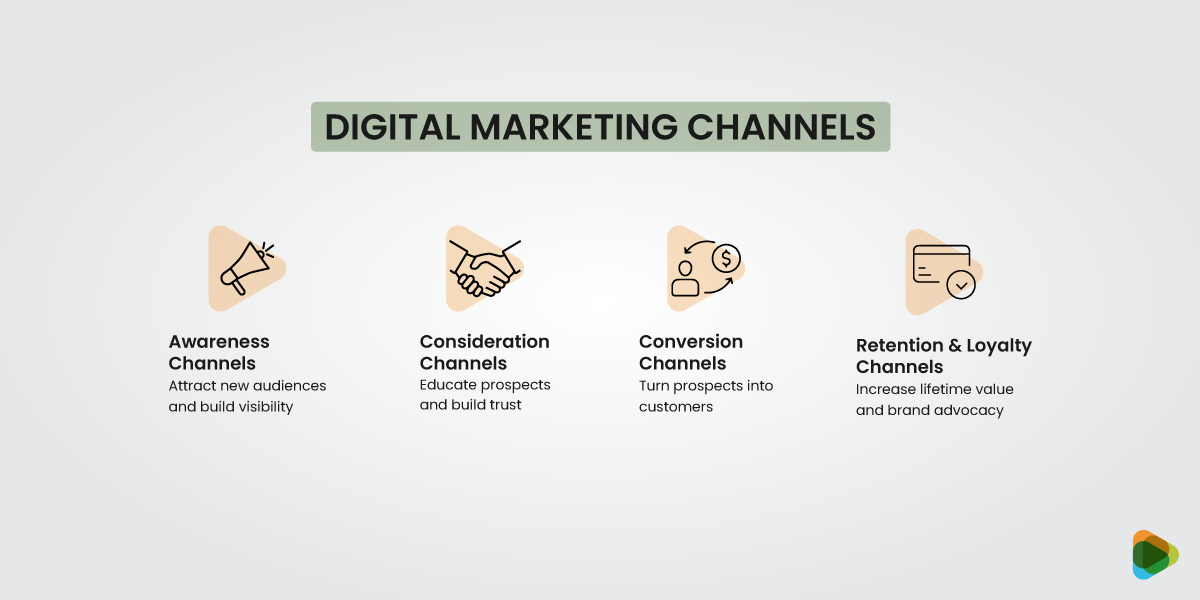
- Awareness Channels → Attract new audiences and build visibility
- Consideration Channels → Educate prospects and build trust
- Conversion Channels → Turn prospects into paying customers
- Retention & Loyalty Channels → Increase lifetime value and brand advocacy
At every stage, success depends on understanding audience intent and aligning it with the right marketing strategy rather than pushing messages randomly across platforms.
1. Awareness Channels
Awareness channels are where most customer journeys begin. At this point, users are not actively searching for a solution. Instead, they are scrolling, browsing, or consuming content, which means brands need to focus on visibility, recognition, and creating a strong first impression.
• Social Media Marketing
Social platforms are often the first environment where users interact with a brand. Unlike search-based channels, discovery here is passive. People come across content while engaging with entertainment, news, or personal connections.
Effective social media platforms such as Instagram, Facebook, TikTok, and LinkedIn allow brands to:
- Build awareness through consistent posting rather than direct selling
- Use storytelling formats like reels, short videos, and image-based posts
- Establish identity and tone through regular content exposure
Many businesses rely on social media marketing services when they need structured posting, content planning, and platform management across multiple channels. They also work well for brand storytelling in social media.
• Display Advertising
Display advertising focuses on placing visual ads across websites, apps, and online placements where users spend time. It is less about intent and more about repeated exposure.
- Banner ads that reinforce brand recognition
- Native placements that blend into content environments
- Broad targeting strategies that support early-stage visibility
These efforts are often part of wider digital media marketing campaigns designed to keep a brand visible across the internet.
• Video Marketing
Video is one of the most effective formats at the awareness stage because it communicates emotion, message, and identity quickly.
- Short videos introducing brand values or services
- Educational clips that explain a problem in simple terms
- Story-driven content that builds early emotional connection through marketing through social media
Video drives stronger engagement, retention, and emotional connection compared to static formats.
2. Consideration Channels
Once users become aware of a brand, they begin comparing options. This stage is more deliberate. People are looking for clarity, proof, and relevance before making any decision.
• Search Engine Optimization (SEO)
SEO plays a central role in capturing users who are actively searching for solutions. Unlike awareness channels, this stage is intent-driven.
Strong SEO ensures:
- Visibility in search results when users look for solutions
- Structured content that answers specific questions
- Long-term authority built through consistent marketing strategies
SEO also works closely with social media and marketing efforts, where social content supports search visibility and reinforces brand credibility across platforms.
• Content Marketing
Content becomes more detailed and informative at this stage. Instead of introducing the brand, it focuses on helping users evaluate their options.
- In-depth guides that explain how solutions work
- Case studies that show real-world outcomes
- Comparison content that helps users make informed choices
This is where content begins to support decision-making rather than just awareness.
• Email Nurturing
Email helps maintain engagement with users who are not yet ready to convert but have already shown interest.
- Structured email sequences that guide users over time
- Personalized updates based on behavior or interaction
- Educational content that builds trust without pressure
Email nurturing builds trust over time and moves leads closer to conversion.
3. Conversion Channels
Conversion channels are designed for users who are already interested and closer to making a decision. The focus here is clarity, confidence, and removing friction.
• PPC Advertising
PPC advertising targets users who are actively searching for specific products or services. Because intent is already high, this channel often delivers fast results when managed correctly via platforms like Google Ads and Meta Ads.
- Keyword-based targeting aligned with search intent
- Budget control with measurable outcomes
- Continuous optimization for better performance
It is a core part of most structured marketing strategy frameworks, especially in competitive industries where organic reach alone is not enough.
• Retargeting Campaigns
Retargeting focuses on users who have already interacted with a brand but did not convert.
- Showing ads to previous website visitors
- Reminding users about services or products they viewed
- Reinforcing trust through repeated exposure
This helps keep the brand present during the decision-making process.
• Landing Pages
Landing pages are designed to convert attention into action. Unlike general website pages, they are focused on a single objective.
- Clear messaging aligned with ad intent
- One primary call-to-action without distractions
- Structured layout designed to support digital marketing services campaigns
Unlike homepages, landing pages are optimized entirely for conversion performance.
4. Retention and Loyalty Channels
Retention is often where long-term business value is built. Acquiring customers is only the beginning; keeping them engaged determines profitability.
• Email Marketing
Email continues communication after the initial conversion and helps maintain an ongoing relationship.
- Transactional updates and confirmations
- Personalized product or service recommendations
- Re-engagement campaigns for inactive users
Beyond nurturing, email drives repeat purchases and loyalty and remains one of the highest-ROI digital channels.
• Community Building
Communities help strengthen emotional connection between the brand and its audience.
- Active conversations on social media handles
- Direct engagement with customer feedback
- Ongoing interaction through social marketing efforts
Benefits include stronger retention, word-of-mouth marketing, and valuable customer feedback loops.
• Remarketing Strategy
Remarketing ensures that the brand remains visible even after conversion, encouraging repeat engagement and loyalty. This draws focus on existing customers instead of prospects.
- Campaigns focused on returning customers
- Seasonal promotions and updates
- Long-term engagement through previous user activity
This approach keeps your brand top of mind and increases overall lifetime value.
Key Factors that Drive the Success of a Digital Marketing Strategy
A successful digital marketing strategy depends on more than running campaigns or publishing content. It requires structure, consistency, and a clear understanding of how different parts of the system work together. When these elements are aligned, businesses can improve performance, reduce wasted effort, and build sustainable growth over time.
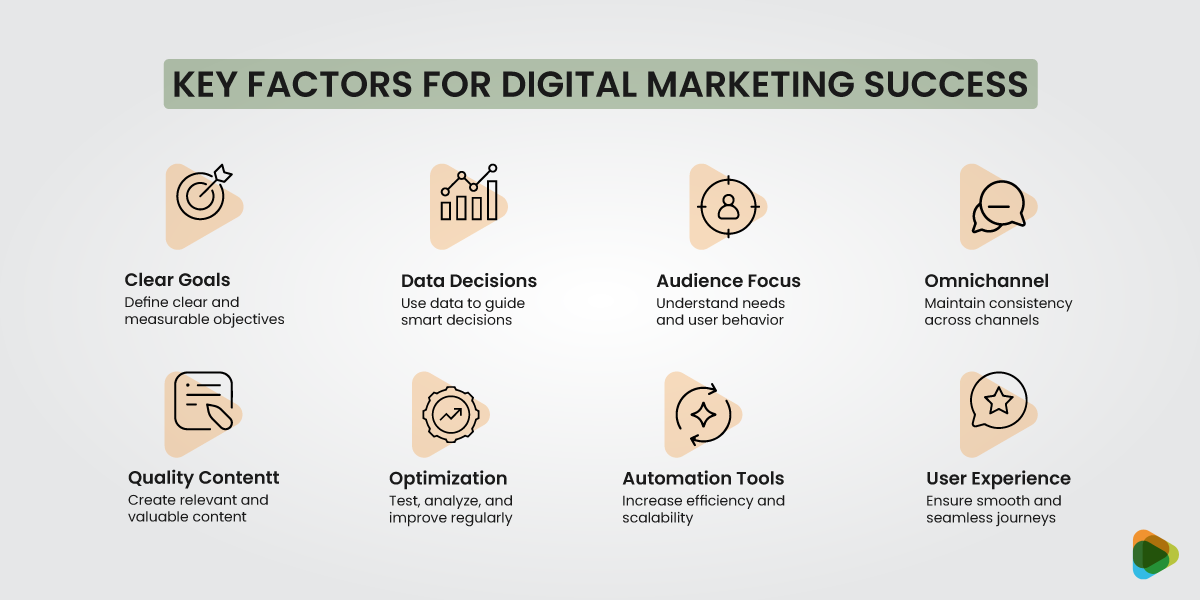
Clear and Measurable Goals
Every effective digital marketing approach or strategy begins with direction. Without clearly defined goals, even well-executed campaigns can lose focus or fail to deliver meaningful results.
Businesses usually set goals such as:
- Increasing leads and conversions
- Improving brand visibility
- Driving revenue growth
- Expanding audience reach
These goals form the foundation of a strong marketing strategy, helping teams stay aligned and measure progress accurately.
Data-Driven Decision Making
Digital marketing becomes more effective when decisions are guided by performance data rather than assumptions. Tracking and analysis help identify what is working and what needs adjustment.
Key performance indicators often include:
- Cost per acquisition (CPA)
- Return on ad spend (ROAS)
- Conversion rates
- Engagement metrics
- Customer lifetime value (CLV)
This approach ensures that digital marketing services are continuously optimized rather than relying on static assumptions.
Audience-Centered Approach
Understanding the audience is essential for creating relevant messaging. A strategy that does not reflect user behavior or needs is unlikely to perform well, regardless of budget or channel selection.
This includes:
- Defining detailed buyer personas
- Studying customer behavior patterns
- Tailoring messaging for different segments
- Aligning content with user intent
A strong focus on the target audience in digital marketing improves relevance and increases the likelihood of engagement across all channels.
Omnichannel Consistency
Customers rarely interact with a brand through a single platform. They move between search engines, social media platforms, email, and websites before making a decision.
To support this journey, messaging must remain consistent:
- Unified brand voice across all channels
- Aligned visuals and communication style
- Consistent messaging across campaigns and platforms
This consistency strengthens recognition and supports broader social media and marketing efforts.
Valuable and Relevant Content
Content plays a central role in guiding users through the decision-making process. It helps explain, educate, and build trust at every stage of the funnel.
Effective content should:
- Answer real user questions
- Support SEO visibility and discovery
- Build authority within the industry
- Guide users toward conversion decisions
High-quality digital marketing content creation ensures that content is not only visible but also useful to the audience.
Agility and Continuous Optimization
Digital marketing is not static. Audience behavior, competition, and platform algorithms constantly change, which makes flexibility essential.
A strong strategy includes:
- Regular testing of campaigns and creatives
- Adjustments based on real-time performance
- Budget shifts toward high-performing channels
- Continuous improvement of messaging and targeting
This adaptability is a key part of modern online marketing strategies.
Automation Tools
Automation helps streamline repetitive tasks and improves efficiency across campaigns. It also allows teams to focus more on strategy and less on manual execution.
Common uses include:
- Email automation workflows
- CRM-based customer tracking
- Scheduling and publishing tools
- Analytics dashboards for performance tracking
These systems support scalable social media marketing services and broader campaign management.
Effective Customer Experience
Customer experience influences how people perceive a brand throughout their journey. Even strong campaigns can fail if the experience feels inconsistent or confusing.
Important elements include:
- Fast and responsive websites
- Simple navigation and clear structure
- Smooth landing page experiences
- Strong post-purchase communication
A well-structured experience ensures that digital marketing for small businesses and larger brands alike can convert traffic into long-term value.
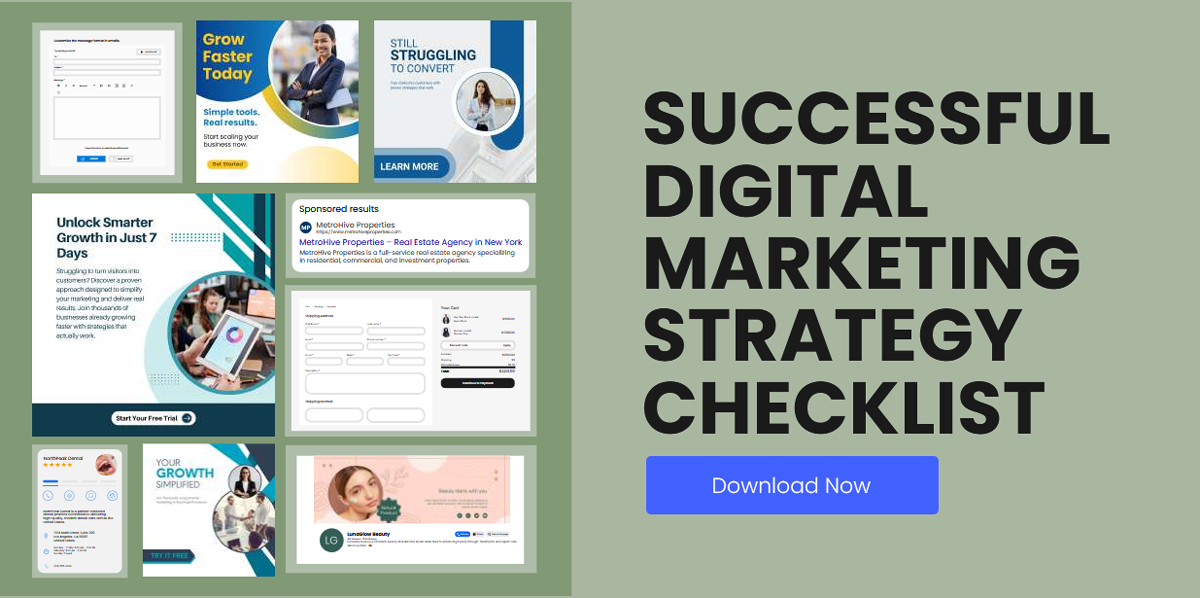
Creative and Messaging in Digital Marketing
Strong digital marketing is not driven by channels alone. It depends heavily on how a brand looks, sounds, and communicates across every platform. Creative direction and messaging determine whether an audience pauses, engages, or scrolls past without notice.
1. Visual Identity Across Channels
A consistent visual identity helps people recognize a brand instantly, even when they encounter it in different places. It is one of the most important parts of building trust over time in any marketing strategy.
This includes:
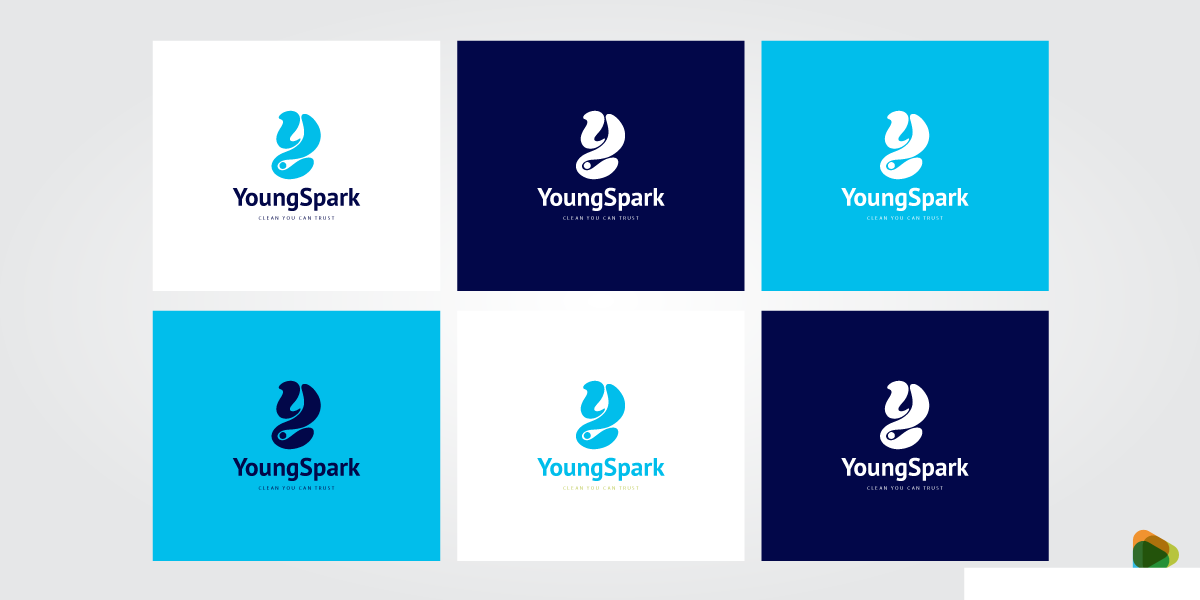
- Consistency in Branding – Logos, color schemes, typography, and imagery should maintain a unified look across social media, ads, email, and landing pages.
- Creative Adaptation per Platform – While branding should remain consistent, each platform has unique audience expectations and formats. For example:
- Short, punchy visuals for Instagram and TikTok
- Informative, professional visuals for LinkedIn
- Engaging thumbnail images and motion graphics for YouTube
Creative adaptation helps make sure that your content resonates and stays on-brand.
2. Copywriting for Conversions
Words play a direct role in turning attention into action. Good copy does not overcomplicate the message. It removes friction and guides users toward a decision in a natural way.

- Headlines – Capture attention immediately and are often the deciding factor for engagement.
- CTA Optimization – Calls-to-action must be clear, compelling, and relevant to the user’s stage in the journey. Examples: ‘Download Now’, ‘Claim Your Free Trial’, or ‘Learn More’.
- Emotional Triggers – Connecting with your audience emotionally increases recall and motivates action. Incorporate storytelling, social proof, and relatable scenarios.
Great copy doesn’t just inform; it guides users seamlessly toward conversion.
3. Creative Testing
Even well-designed campaigns need testing to understand what actually works in real conditions. Creative performance can vary significantly depending on audience, timing, and platform.


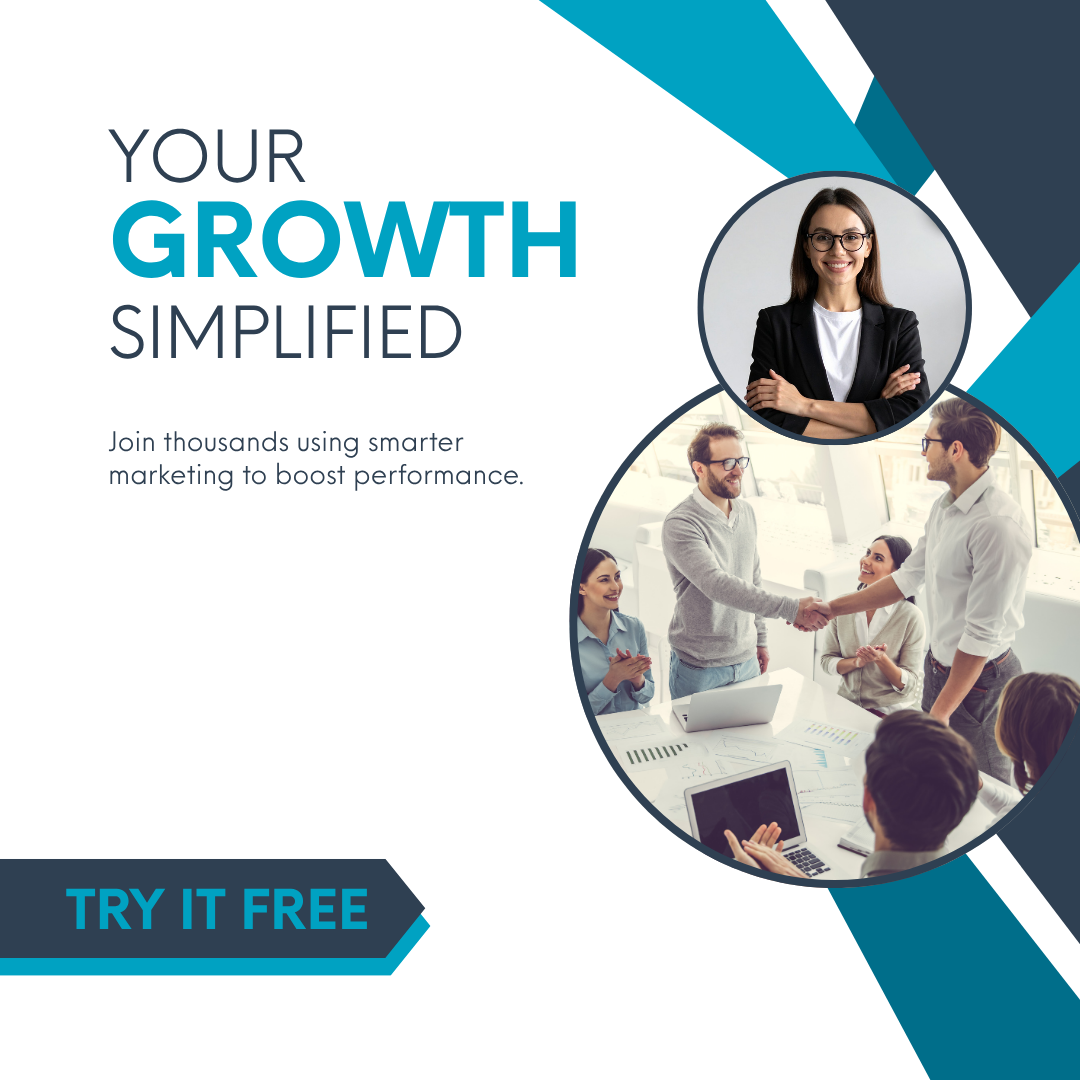
- Ad Variations – Test multiple headlines, visuals, formats, and CTAs to see what resonates with your audience.
- Performance Benchmarking – Track metrics like CTR, conversion rate, engagement, and bounce rate to identify high-performing creatives.
- Iterative Optimization – Use insights from testing to continuously refine creative elements, making sure campaigns remain effective over time.
A culture of testing allows brands to maximize ROI and avoid wasting budget on underperforming creative.
Step-by-Step Process for Creating Digital Marketing Campaigns
A structured digital marketing step-by-step guide is essential for turning ideas into campaigns that actually deliver results. Instead of relying on isolated actions, successful campaigns follow a clear process that connects research, planning, execution, and optimization. This approach ensures that every decision supports a broader marketing strategy rather than operating in isolation.
Campaigns are then launched with proper tracking and performance systems in place. After launch, continuous optimization improves results through data analysis and refinement. Finally, once performance is proven, campaigns are strategically scaled to expand reach, increase conversions, and drive sustainable business growth.
Step 1: Discovery and Strategy
The first stage focuses on understanding the business, audience, and competitive landscape before any campaign work begins. Without this foundation, even strong creative work can fail to deliver results.
At this stage, teams typically define:
- Business goals such as leads, sales, or awareness
- Core audience segments and digital marketing target audience profiles
- Market and competitor positioning
- Key performance indicators (KPIs) for measurement
- Overall direction for the digital marketing strategy
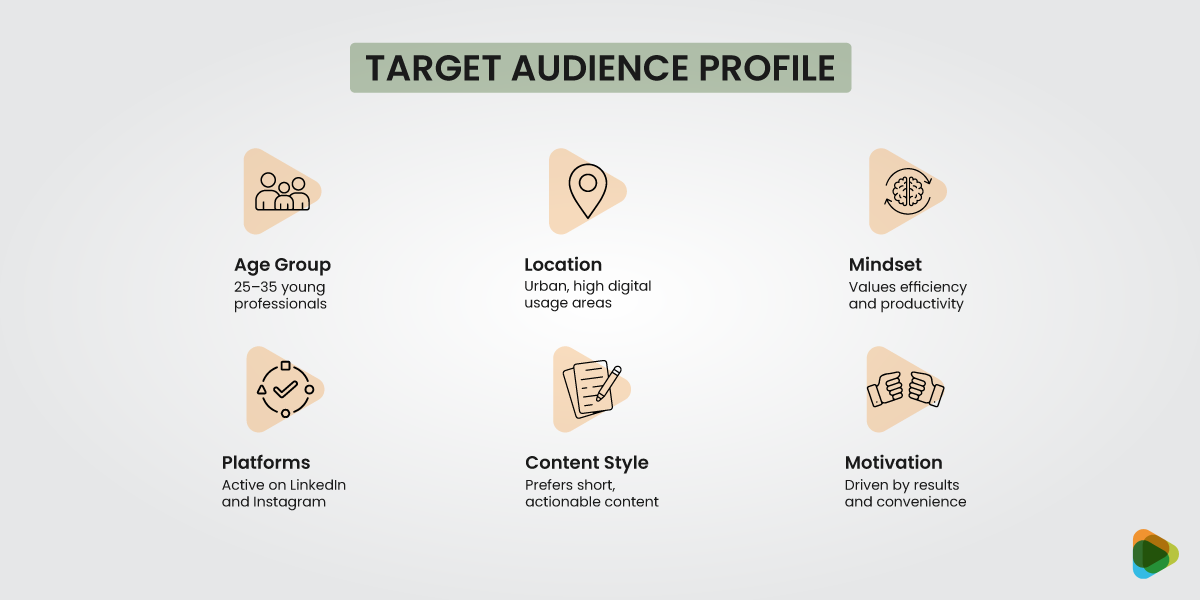
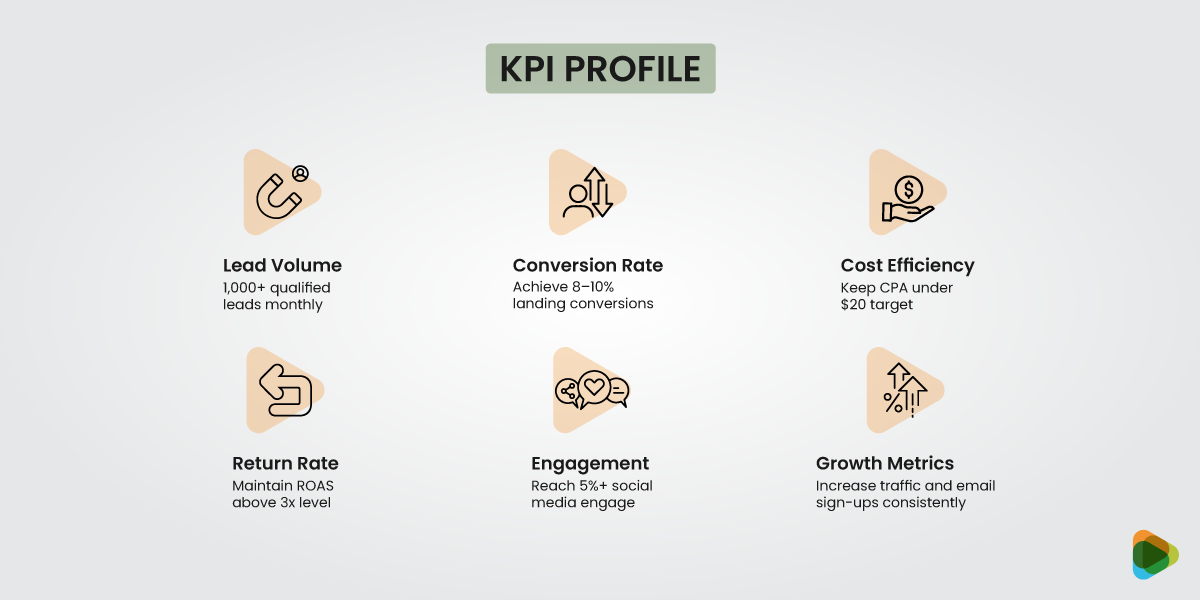
This stage often includes researching marketing ideas and shaping early campaign direction based on real customer needs rather than assumptions.
Step 2: Channel Selection
Once the strategy is clear, the next step is choosing the right platforms and channels to reach the audience effectively. Different channels serve different roles, and selecting them correctly is critical for performance.
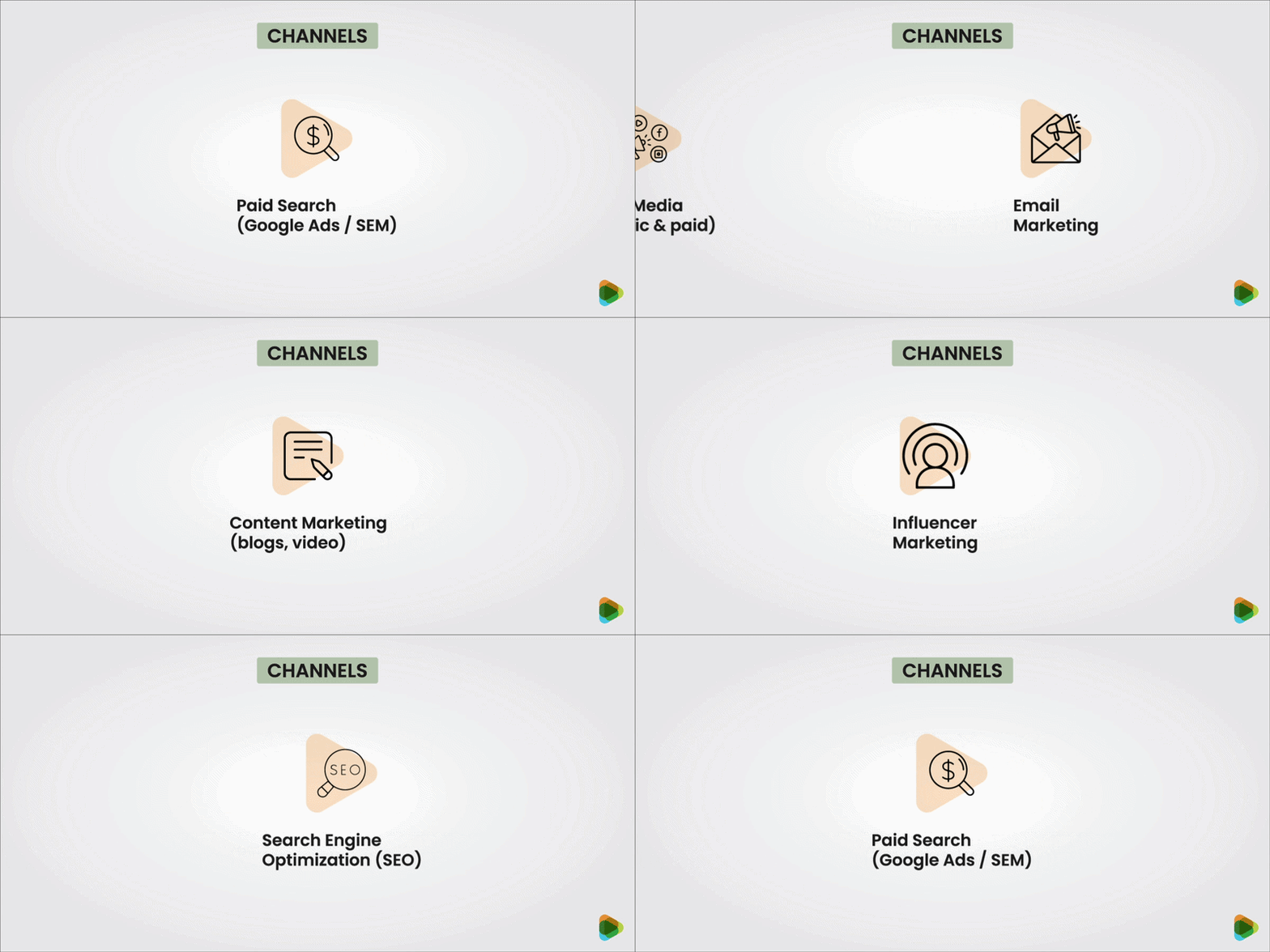
Common channel decisions include:
- Search-based channels like SEO and PPC
- Social platforms used for social media marketing services and engagement
- Email systems for nurturing and retention
- Display and video placements for awareness
This stage also defines how marketing through social media will work alongside paid and organic efforts to ensure consistent messaging.
Step 3: Creative Development
With channels defined, attention shifts to building the actual campaign assets. This includes both design and messaging, which must work together to communicate value clearly.
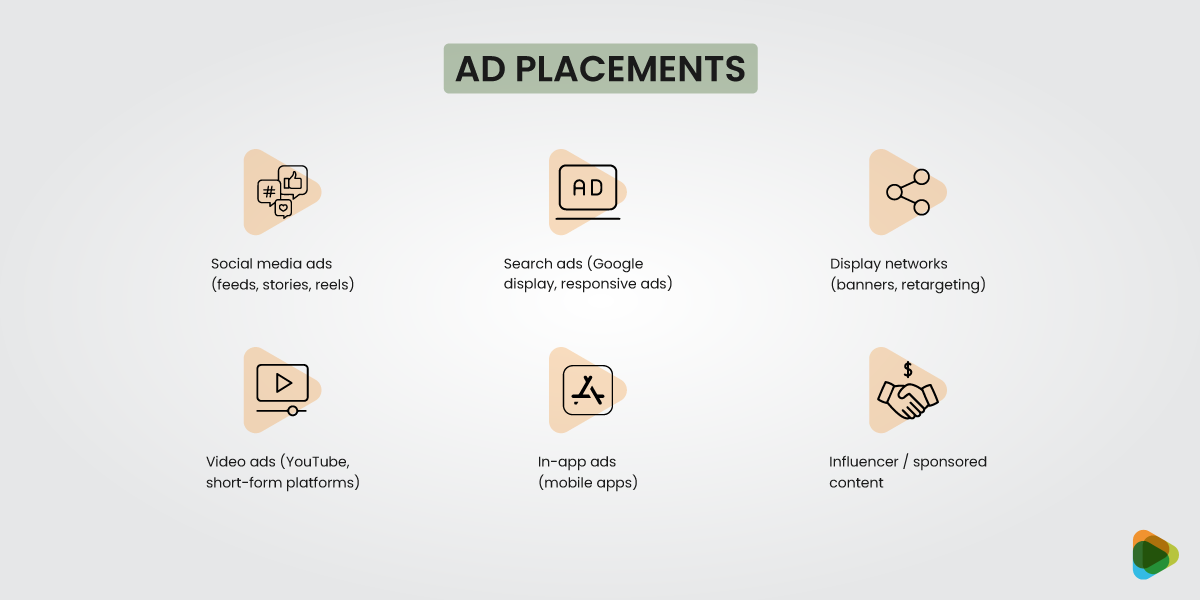
Key elements include:
- Ad creatives tailored for social media campaigns and paid ads
- Landing pages designed for conversion-focused experiences
- Copywriting aligned with user intent and online marketing strategy goals
- Brand-consistent visuals across all touchpoints
For brands using social media agency services or internal teams, this stage ensures all creative output aligns with the broader campaign direction.
Step 4: Campaign Launch
Once everything is ready, campaigns are launched across selected platforms with proper tracking in place. This stage is less about creativity and more about execution accuracy.
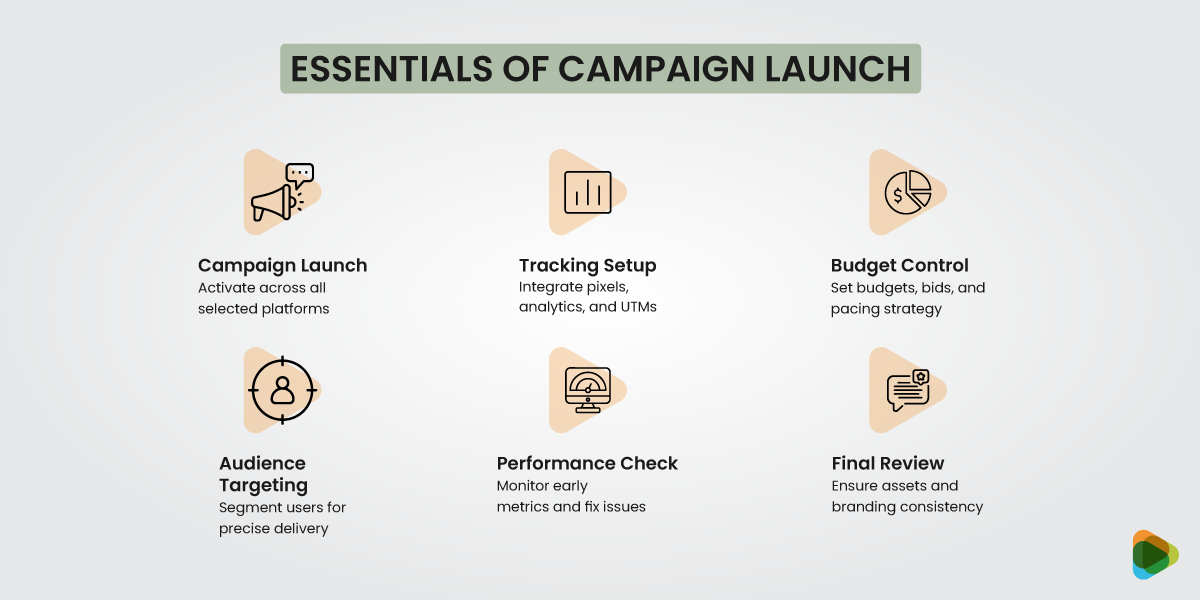
Important launch steps include:
- Activating campaigns across selected social media platforms and ad networks
- Setting up tracking tools such as pixels and analytics
- Allocating budgets based on priority channels
- Segmenting audiences for better targeting
At this point, paid social advertising and PPC campaigns begin collecting real performance data for optimization.
Step 5: Optimization and Reporting
After launch, performance data is continuously monitored to improve efficiency and results. This is where campaigns evolve based on real user behavior.
Typical optimization activities include:
- A/B testing different ad variations
- Refining targeting for better audience fit
- Adjusting budgets based on performance trends
- Improving landing page performance and conversion rates
This stage is central to effectively scaling digital marketing services, as ongoing refinement directly impacts ROI.
Step 6: Scaling
Once campaigns show consistent performance, they can be expanded to increase reach and revenue. Scaling is not just about increasing budget but improving efficiency while growing impact.
Scaling strategies may include:
- Expanding into new audience segments
- Increasing investment in high-performing campaigns
- Introducing social media automation tools for efficiency
- Extending successful campaigns across additional social media apps and platforms
At this stage, businesses often explore broader digital marketing agencies’ support or advanced optimization techniques to sustain long-term growth.
Digital Marketing Services: What They Cost
The cost of digital marketing services can vary widely depending on goals, industry competition, and the level of execution required. Some businesses focus only on basic campaigns, while others invest in full-scale strategies that include content, paid ads, SEO, and social media marketing services working together.
Understanding pricing is essential to know what level of support a business actually needs to grow.
Contest-Based Creative (ZillionDesigns)
Contest-based platforms offer a flexible way for businesses to get multiple creative directions before committing to a final concept. Instead of working with a single designer, brands receive a range of ideas and choose what fits best.
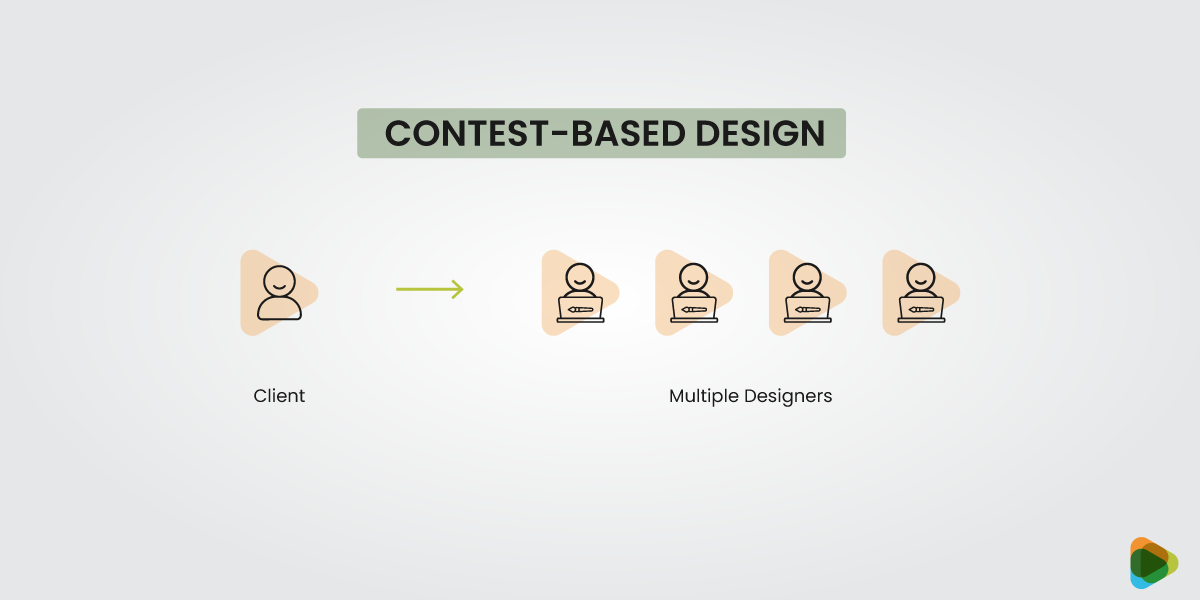
- Businesses launch a design contest for campaign visuals, landing page layouts, ad sets, or branded marketing assets.
- Multiple designers submit concepts; you choose the best one.
- Pricing is transparent and fixed based on the package you choose.
- Costs typically range from $300 to $1000 depending on the number of concepts, revisions, and deliverables included.
- Best for businesses that want a variety of ideas, competitive designs, and cost control.
Agency Services
Full-service digital marketing agencies provide a more structured and strategic approach. Instead of focusing on isolated tasks, they manage campaigns across multiple channels and ensure everything aligns with a unified marketing strategy.
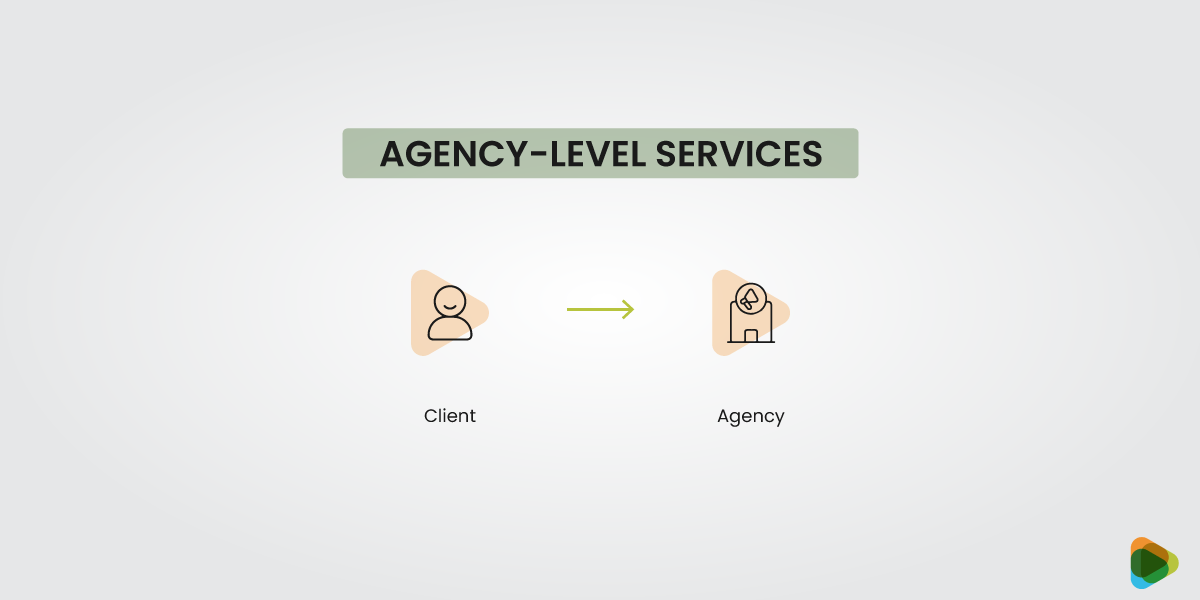
- Some contests and collaborations can be scaled into broader strategic work, including multi-channel campaign design, pitch decks, content templates, or enterprise branding systems that support digital marketing efforts.
- Pricing for this level goes beyond $2000 as requirements grow.
You can combine ZillionDesigns outputs with strategy or campaign management support from your internal team or external contractors.
Typical Price Ranges by Service Model
| Service Model | Typical Cost Range | What It Covers |
| DIY Tools & Platforms | $0 – $500/month | Basic tools for email, social scheduling, or analytics; limited support |
| Freelance Specialists | $300 – $5,000+/month | Tactical execution for specific services (SEO, PPC, social ads); flexible options |
| Contest-Based Creative Platforms | $300 – $5,000+ per project | Multiple creative concepts for ads, social visuals, landing pages; fixed pricing |
| Dedicated Consultants | $1,000 – $15,000+/month | Strategy, planning, and execution across channels |
| Full-Service Agencies | $2,000 – $50,000+/month | Integrated strategy, multi-channel campaigns, analytics, optimization, reporting |
Factors that Influence Digital Marketing Costs
Several variables affect the total investment required for effective marketing. These are often more important than the service model itself.
Scope of Services
- Will you run paid ads, organic content, email marketing, SEO, or all of the above?
- More channels and tactics require larger budgets and greater expertise.
Campaign Complexity
- Simple single-channel campaigns cost less
- Multi-channel, full-funnel strategies with automation and complex tracking cost more.
Creative Production
- Custom visuals, professional video production, branded templates, and copywriting increase costs.
- Pre-made or templated work reduces pricing.
Market Competition
- Highly competitive industries (e-commerce, finance, insurance) require higher ad budgets and deeper optimization, increasing overall spend.
Target Geography
- National or international campaigns typically cost more than regional or local efforts due to broader audiences and higher competition.
Volume of Work
- Larger ad spends and frequent content production (e.g., daily social posts) increase management time and can raise monthly retainers.
Performance and Tracking
- Advanced analytics, conversion tracking, and custom dashboards add to setup and service costs.
Pricing by Specific Digital Services
Different services also come with their own cost structures depending on execution depth and expertise.
Paid Advertising (Search & Social)
- Setup: $500 – $2,500+
- Monthly Management: 10–20% of ad spend or $1,000 – $10,000+
- Creative production and landing page design are often additional.
SEO Services
- Monthly SEO packages: $800 – $10,000+
- One-time audits: $500 – $3,000+
- Includes on-page optimization, technical fixes, content development, and link-building strategies.
Content Marketing
- Blog writing: $150 – $800 per article
- Ebooks/Whitepapers: $800 – $5,000+
- Lead magnets and premium content packages vary based on length and research needs.
Social Media Management
- Base package: $500 – $3,000+/month
- Includes content calendars, posting, engagement and community management
- Paid social campaigns are priced separately.
Email Marketing
- Setup: $300 – $2,000
- Monthly management: $300 – $3,000
- Includes automation workflows, list segmentation, and performance reporting.
| Service | Typical Range | Notes |
| SEO | $800 – $10,000+/month | Long-term strategy |
| Paid Ads Management | 10–20% of ad spend | Performance-based |
| Social Media Management | $500 – $3,000+/month | Posting + engagement |
| Content Marketing | $150 – $800 per article | Based on depth |
| Email Marketing | $300 – $3,000+/month | Automation included |
How to Evaluate Digital Marketing Results
Evaluating performance is a key part of any digital marketing strategy. Without it, campaigns may look active but fail to show real business impact. The goal is to measure outcomes that connect directly to growth, not surface-level activity.
Strong digital marketing services are always judged by how well they convert effort into measurable results across paid, organic, and social media marketing channels.
- Increased brand awareness
- Leads and customer acquisition
- Revenue growth from campaigns
- Cost per acquisition (CPA) improvements
- Retention and lifetime customer value
Investing in expert execution, thorough reporting, and continuous optimization typically drives stronger results.
Digital Marketing Essentials Every Business Should Get Right
Before scaling campaigns or increasing ad spend, every business needs a solid foundation. Without these essentials in place, even strong digital marketing services tend to underperform because the system behind them is incomplete.
A well-structured digital marketing strategy is not built on tools alone. It depends on clarity, consistency, and alignment across every stage of the customer journey.
1. Clear Strategy and Defined Objectives
Every effective online marketing strategy begins with direction. Without it, campaigns become scattered and difficult to measure.
- Clearly defined business goals (leads, sales, awareness, retention)
- Well-defined target audience and buyer personas
- Competitive positioning analysis
- Unique value proposition
- Defined KPIs (CPL, CPA, ROAS, conversion rate)
- Structured marketing roadmap
Without strategic alignment, marketing becomes random activity instead of measurable growth.
2. Strong Brand Identity and Messaging
A brand must feel consistent across every touchpoint, whether it appears in ads, social content, or email campaigns.
- Clear brand positioning statement
- Defined tone of voice and communication style
- Cohesive visual identity (colors, typography, imagery)
- Consistent messaging across website, ads, and social platforms
- Clear and compelling calls-to-action (CTAs)
This consistency strengthens recognition and trust over time.
3. Conversion-Ready Website
A website is often the final step before conversion, so performance here directly affects results from all digital marketing services.
- Clear value proposition above the fold
- Fast loading speed
- Mobile responsiveness
- Simple navigation and logical structure
- Conversion-focused landing pages
- Optimized forms with minimal friction
- Trust indicators (reviews, testimonials, security badges)
Even strong paid social advertising cannot perform well if the landing experience is weak.
4. Search Engine Optimization (SEO)
Search visibility supports long-term stability and reduces dependency on paid campaigns.
- Keyword research aligned with search intent
- On-page optimization (titles, meta descriptions, headers)
- Technical SEO setup
- Internal linking structure
- Consistent high-quality content creation
- Backlink development strategy
This forms a core part of sustainable digital media marketing systems.
5. Paid Advertising Infrastructure
Paid campaigns require proper setup to avoid wasted budget and unclear results.
- Clear campaign objectives
- Defined audience targeting
- Proper pixel and conversion tracking setup
- Structured campaign and ad group segmentation
- High-quality ad creatives
- Retargeting campaigns
This is essential for scaling digital marketing for small businesses and larger brands alike.
6. Content Marketing System
A strong content system ensures long-term visibility and trust-building.
- Editorial calendar
- Funnel-aligned content (awareness, consideration, decision)
- SEO-optimized blog articles
- Social media content strategy
- Repurposing strategy across platforms
Content supports both acquisition and nurturing across the funnel.
7. Email Marketing and Automation
Email remains one of the highest-performing retention channels in any digital marketing strategy.
- Lead capture systems
- Welcome sequences
- Segmentation based on behavior
- Automated follow-up campaigns
- Performance tracking (open rate, CTR, conversions)
Automation converts traffic into long-term customer relationships.
8. Analytics and Tracking Systems
Without measurement, improvement is not possible.
- Analytics installation and configuration
- Conversion tracking
- Standardized UTM parameters
- Performance dashboards
- Regular reporting structure
- A/B testing framework
Strong tracking ensures digital marketing services improve over time instead of staying static.
9. Conversion Optimization Process
Improving conversion rates increases ROI without increasing traffic.
- A/B testing creatives and landing pages
- Funnel drop-off analysis
- User behavior tracking
- Clear CTA placement
- Page speed optimization
- Trust-building design elements
Small conversion improvements compound into significant revenue growth.
10. Scalable Growth Plan
Marketing should change and scale as performance improves.
- Identifying profitable campaigns
- Budget scaling strategy
- Audience expansion plan
- Automation refinement
- Testing new channels methodically
- Long-term content and advertising alignment
Case Studies
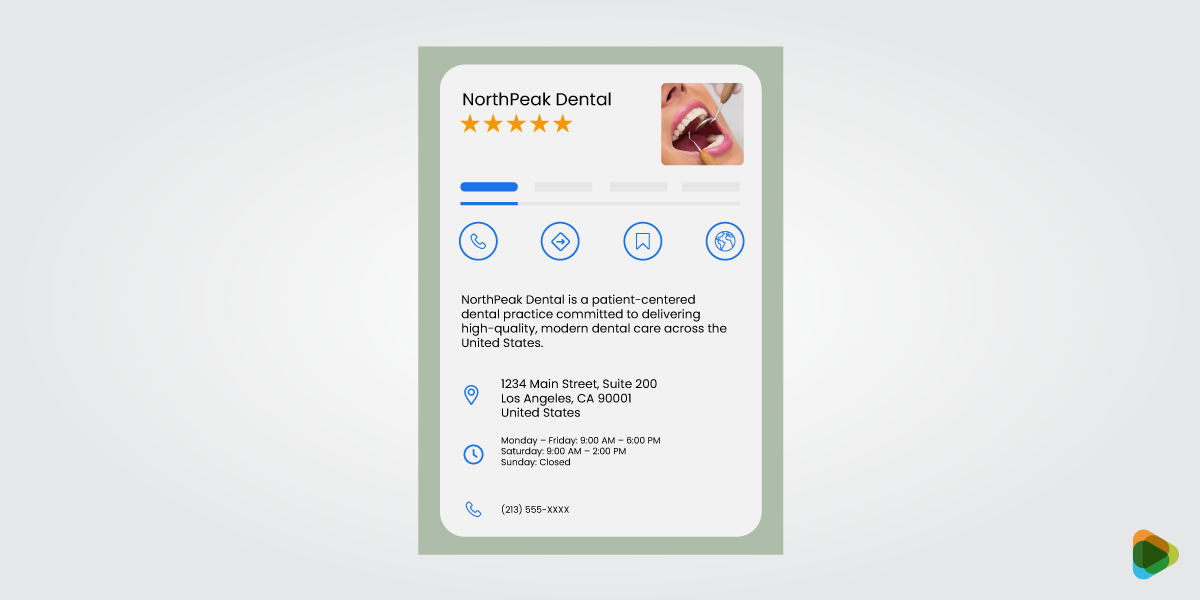
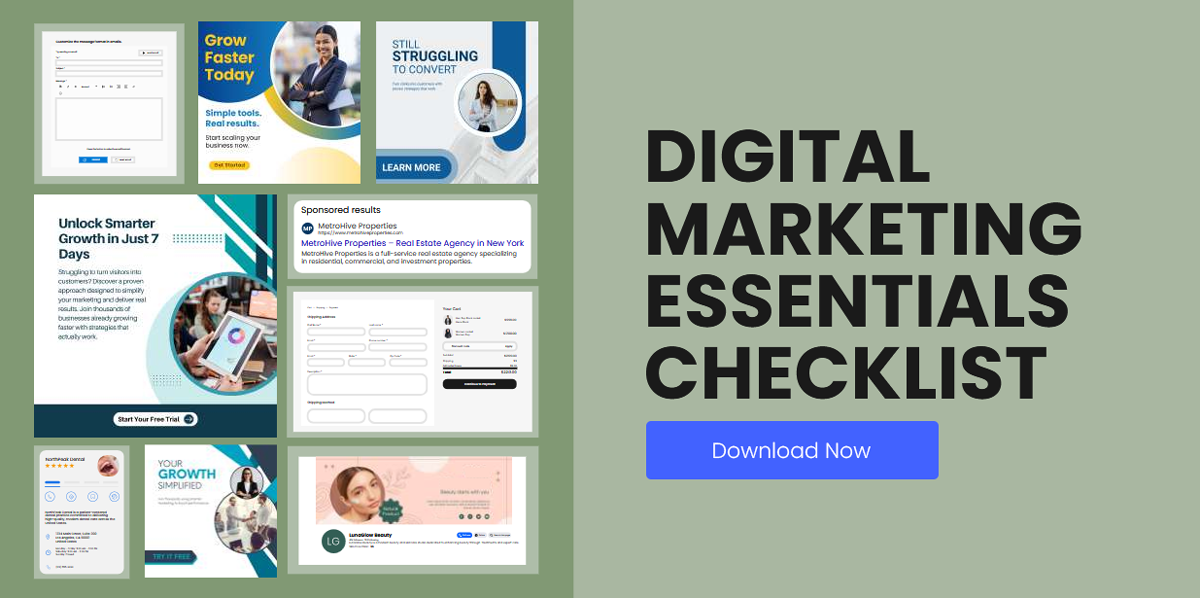
NorthPeak Dental (Local SEO Growth)
Problem: Strong patient reviews but ranked beyond page one for key local search terms, limiting appointment bookings.
Process: Conducted local keyword research, optimized the Google Business Profile, improved on-page SEO, created geo-targeted service pages, and built high-authority local citations.
Outcome: Local keyword rankings improved from page 3 to top 5 positions. Organic traffic increased by 62%. Monthly appointment calls increased by 48% within 4 months.

MetroHive Properties (Paid Ads Performance)
Problem: Generated traffic through paid ads but struggled with high cost-per-lead and low-quality inquiries.
Process: Restructured Google and Meta campaigns, implemented accurate conversion tracking, built dedicated landing pages per property type, and tested multiple ad variations.
Outcome: Cost-per-lead decreased by 37%. Qualified lead volume increased by 54%. Viewing bookings increased by 29% within one quarter.

LunaGlow Beauty (Social Media Strategy)
Problem: Growing follower base but low engagement and minimal website conversions from social platforms.
Process: Developed a structured content calendar, introduced short-form video content, leveraged influencer collaborations, optimized profile funnels, and implemented retargeting ads.
Outcome: Engagement rate increased by 73%. Social CTR improved by 41%. Website sales from social traffic increased by 36% over 3 months.
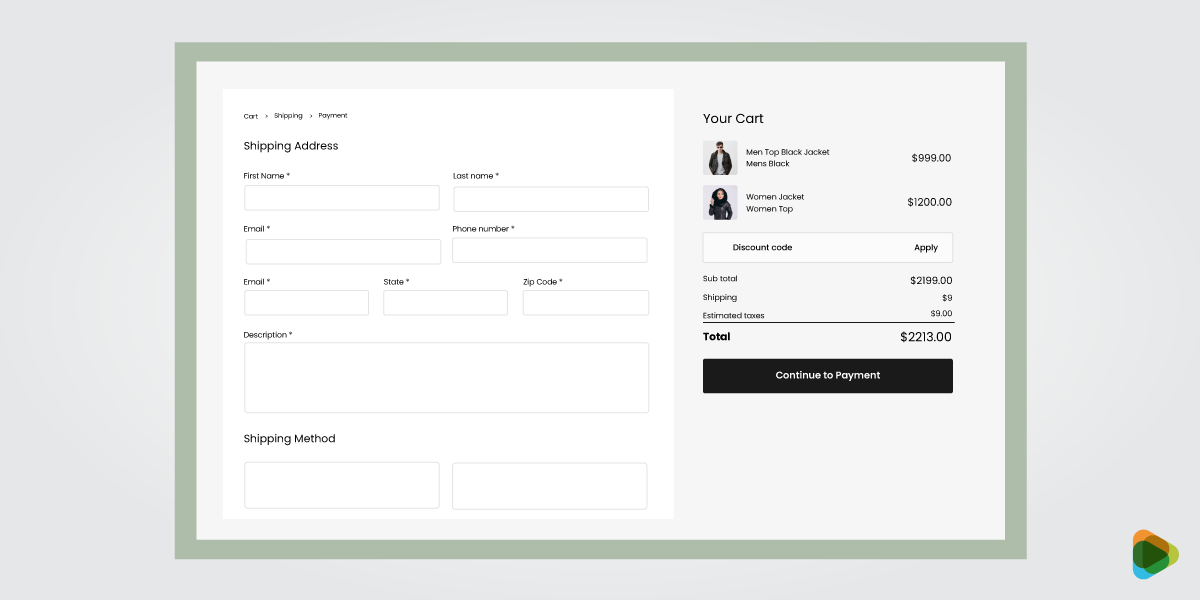
SummitTrail Outfitters (E-commerce Optimization)
Problem: Experienced heavy traffic but low checkout completion and high cart abandonment rates.
Process: Conducted a full UX audit, simplified checkout from 5 steps to 3, added trust signals and product reviews, optimized product pages, and implemented abandoned cart automation.
Outcome: Conversion rate increased from 1.8% to 3.1%. Cart abandonment dropped by 26%. Monthly revenue increased by 44% within 90 days.
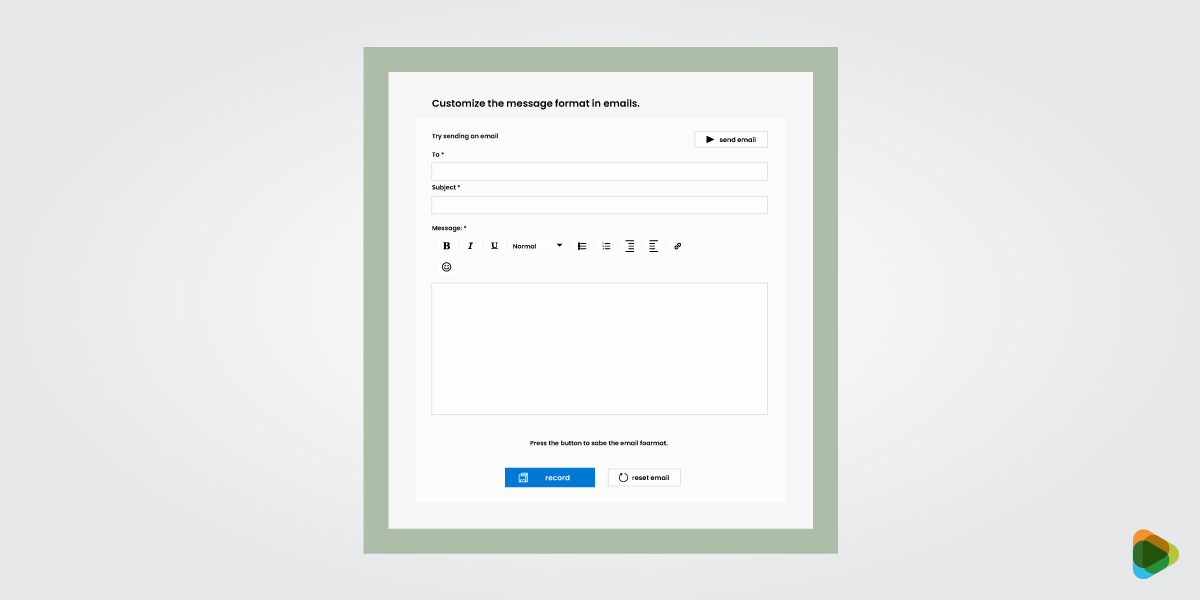
WealthBridge Consulting (Email Automation Funnel)
Problem: Generated webinar leads but failed to convert registrants into booked strategy calls.
Process: Built segmented nurture sequences, implemented automated follow-ups, personalized messaging based on engagement behavior, and integrated CRM lead scoring.
Outcome: Email open rates increased from 18% to 32%. Click-through rates improved by 38%. Strategy call bookings increased by 47% in 8 weeks.
Digital marketing makes it easier for brands to connect with the right audience at the right time through data-driven strategies. With tools like social media, SEO, and analytics, businesses can build strong customer relationships, increase visibility, and drive sustainable growth.
(FAQs)
A digital marketing strategy often raises practical questions, especially for businesses trying to understand where to start and how different channels work together. Below are some of the most common questions explained in simple terms.
1. What is included in digital marketing services?
Digital marketing services usually cover a mix of strategies designed to improve visibility, traffic, and conversions across multiple channels.
- Search engine optimization (SEO)
- Pay-per-click advertising (PPC)
- Social media marketing services and content management
- Email marketing and automation
- Content creation and campaign planning
Most businesses combine these services into a single online marketing strategy depending on their goals and budget.
2. How long does digital marketing take to show results?
Timelines depend on the channel being used and the level of competition.
- PPC and paid campaigns can show results within days or weeks
- SEO and content efforts usually take 3 to 6 months to build momentum
- Social media marketing often grows steadily over time with consistency
A strong marketing strategy balances short-term gains with long-term growth.
3. How much should a business budget for digital marketing?
Budgets vary depending on business size, industry, and growth stage.
- Small businesses often start with limited monthly budgets focused on testing
- Growing companies typically invest more in social media marketing services and paid ads
- Competitive industries require higher spending to maintain visibility
A common guideline is allocating 5–15% of revenue toward marketing, depending on the growth stage.
4. Which digital marketing channels are most effective?
There is no single best channel. Effectiveness depends on audience and intent.
- SEO helps capture search-driven traffic
- Paid ads deliver faster visibility and conversions
- Social media platforms build engagement and brand awareness
- Email marketing improves retention and repeat sales
Most successful digital marketing services use a combination of these channels rather than relying on one.
5. How do you measure digital marketing success?
It is tracked with key performance indicators such as conversion rate, cost per acquisition (CPA), return on ad spend (ROAS), customer lifetime value (LTV), traffic growth, and engagement metrics. The specific KPIs used should align directly with your campaign goals, which could be focused on awareness, leads, or revenue.