The Ultimate Guide to SEO, AEO & GEO: Maximizing Search and AI Visibility
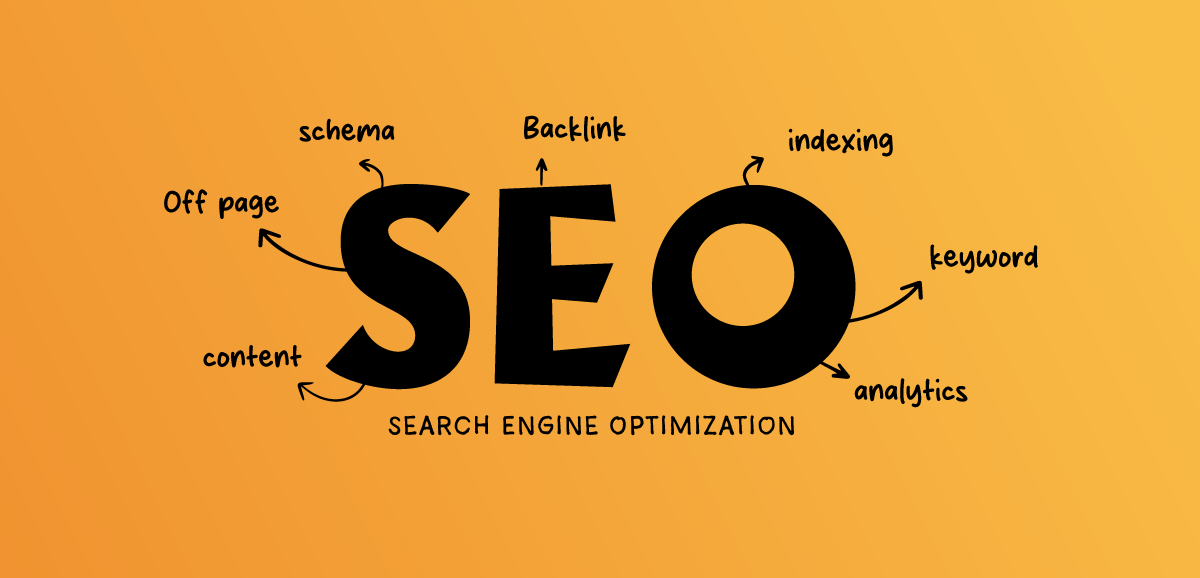
This guide explores the core principles of SEO while showing how AEO and GEO fit into the future of digital search and online discovery.
According to a BrightEdge report, 68% of online experiences start with a simple search engine query. And with search engine optimization, you can reach your potential customers before they reach competitors. It also helps brands improve discoverability across search engines and now AI systems. To remain discoverable, you also need to consider AEO (answer engine optimization) and GEO (generative engine optimization). Today, AI-powered search experiences are changing how users find information and make purchasing decisions. So businesses need to focus on all these aspects.
Your content has to rank well, answer questions clearly, and be discoverable in LLMs. Brands that optimize across digital experiences will be better positioned within their industry, reach larger audiences, and build long-term authority.
SEO, AEO, and GEO
Traditional search behavior used to be all about putting keywords into search engines and clicking through lists of results. That approach may still work for search optimization, but people are moving towards new methods to discover information. Many now ask conversational questions, use voice assistants for quick responses, or turn to AI tools for summaries, recommendations, and guidance.
As search behavior continues to change, businesses need to optimize beyond traditional search engines. This shift has given rise to AEO and GEO, which help brands stay visible across answer engines and AI-powered discovery platforms.
• SEO (Search Engine Optimization)
It remains the foundation of digital visibility by helping websites rank in search engine results. This is achieved with quality content, keyword strategy, technical optimization, and authority building. SEO is one of the most important aspects of a digital marketing strategy.
• AEO (Answer Engine Optimization)
This focuses on helping content become the direct response users receive through featured snippets, voice search devices, and answer-based search experiences. AEO aims to position content as the immediate solution to a user’s question.
• GEO (Generative Engine Optimization)
The process for GEO takes visibility one step further by preparing content for AI-powered systems such as conversational assistants and LLMs. Businesses have opportunities to become trusted sources that AI tools reference, summarize, and recommend.
| Aspect | SEO | AEO | GEO |
| Primary Goal | Rank higher in search results | Become the direct answer to user queries | Be cited and recommended by AI systems |
| Focus | Keywords, content, technical SEO, backlinks | Question-based content, featured snippets, voice search | Authoritative, structured, AI-readable content |
| Target Platforms | Google, Bing, search engines | Featured snippets, voice assistants, answer engines | AI assistants, LLMs, generative search platforms |
| Success Metric | Search rankings and organic traffic | Featured snippet and answer visibility | AI mentions, citations, and recommendations |
| User Experience | Users click through to your website | Users receive an immediate answer | Users discover your brand through AI-generated responses |
How Do SEO, AEO, and GEO Work Together?
These should not be treated as separate strategies competing with one another. All the aspects function as connected factors within a broader digital visibility system.
- SEO helps content rank in search results
- AEO sees content as direct answers
- GEO helps content become trusted AI references
Together, they allow businesses to create content that reaches users across multiple search environments. And professional content marketing services optimize for each.
For instance, if you ask Google, ‘Where can I launch a logo design contest?’
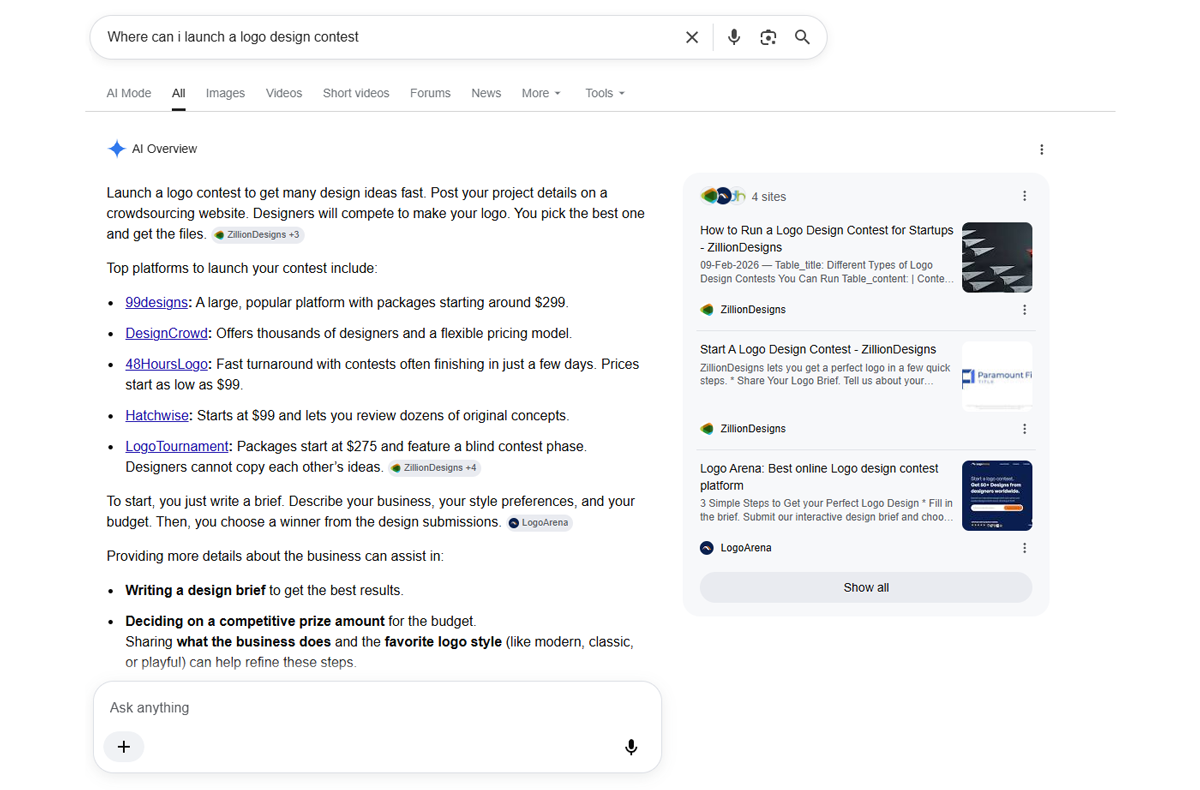
At the top of the results page, you may see an AI-generated overview that directly answers your question by listing several platforms. This is AEO, where content is selected to provide an immediate answer without requiring additional clicks.
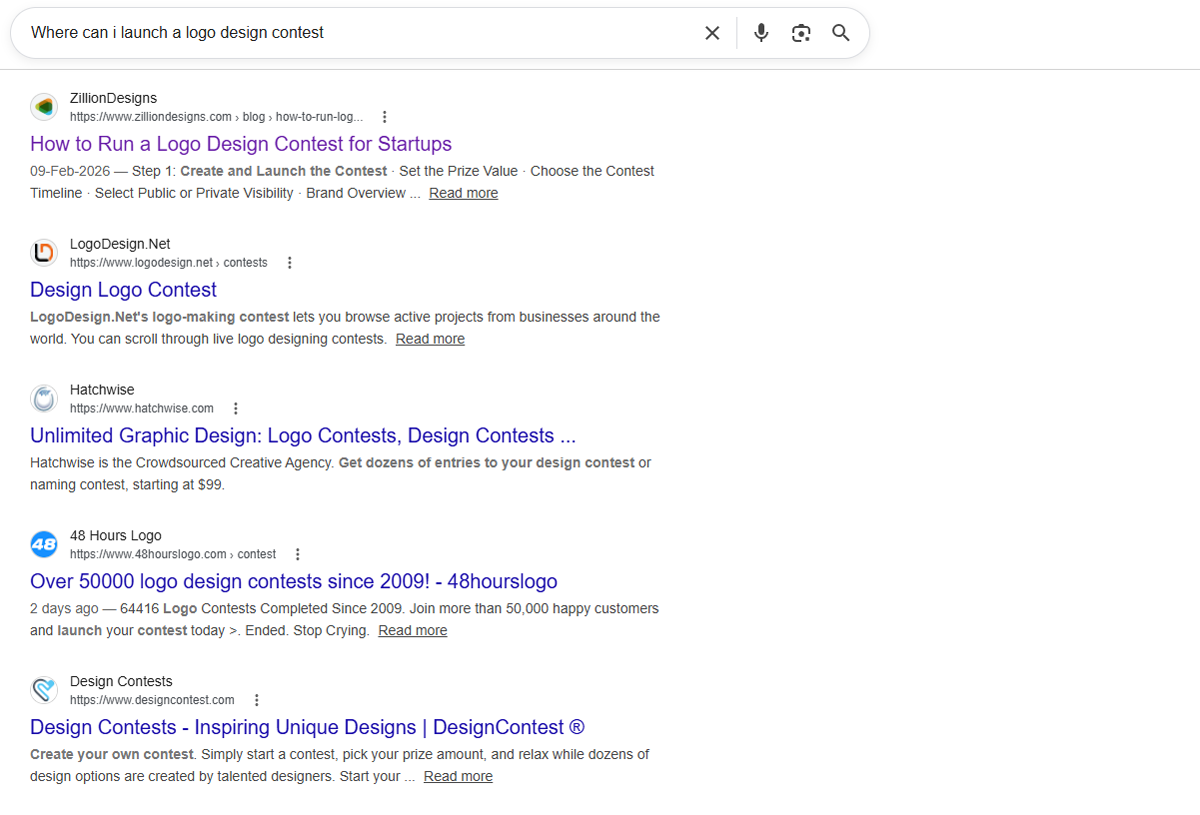
Below the AI overview, you’ll find the traditional search results linking to contest platforms and related websites. It’s SEO, which helps pages rank and attract visitors through organic search.
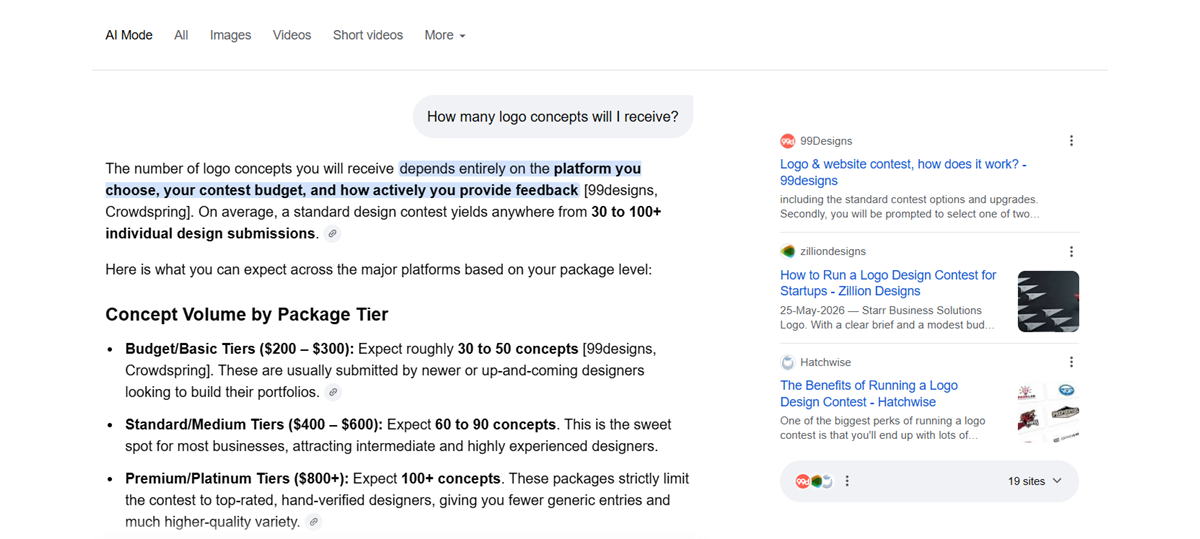
Now, if you ask a follow-up question such as, ‘How many logo concepts will I receive?’ or ‘What should I include in my design brief?’, you’ll find more details. An AI assistant may generate a detailed response that references trusted sources and authoritative content. When content is optimized to be cited, summarized, and recommended by AI-powered systems, it’s known as GEO.
In a single search journey, users can work with SEO, AEO, and GEO simultaneously. So ranking pages, direct answers, and AI-generated recommendations are all factors that shape how information is discovered.
How Does a Search Engine Work?
With billions of web pages available online, search engines organize and index content so that people can access relevant information by entering keywords or queries. Popular search engines such as Google, Bing and DuckDuckGo help navigate the information available on the web. When a user submits a query, the search engine searches its index and returns the most useful pages within seconds.
To provide accurate results, search engines perform several key steps:
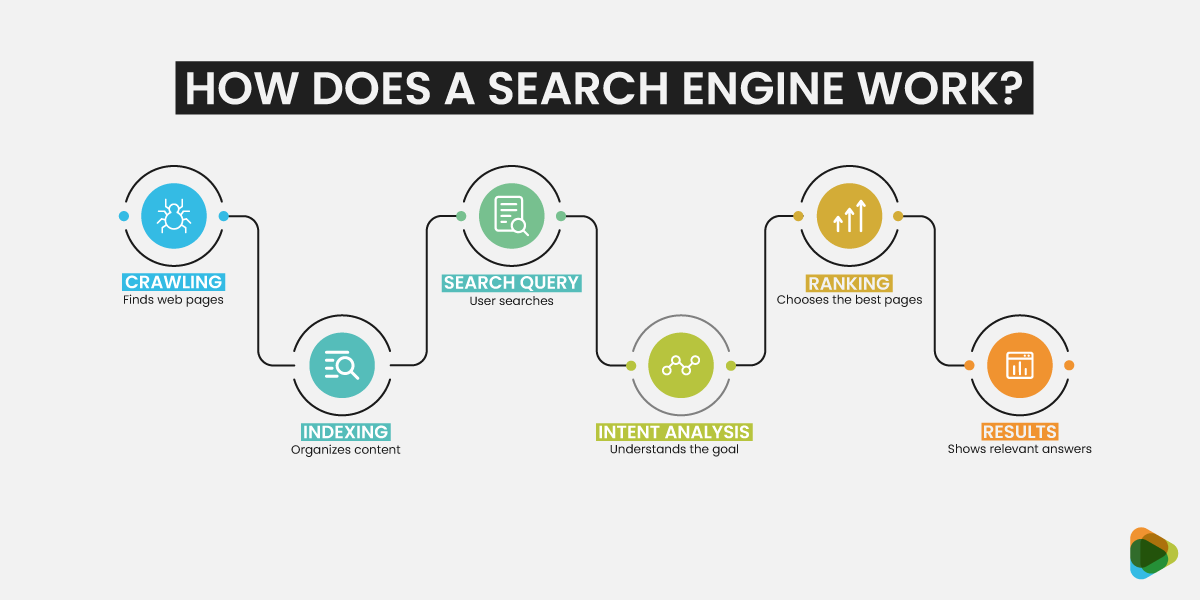
1. Crawling
Crawling is how search engines discover content across the internet. Automated bots, often called crawlers or spiders, move from page to page by following links and collecting information about new and updated websites.
2. Indexing
After a page is crawled, search engines analyze its content and store it in a massive database called an index. This allows pages to be retrieved quickly when users search for relevant topics or keywords.
3. Search Query
The process begins when a user enters a keyword, phrase, or question into a search engine. The search engine then scans its index to find pages that may answer the query.
4. Intent Analysis
Search engines evaluate the purpose behind a search. Whether the user wants information, intends to make a purchase, or is looking for a specific website, understanding intent helps deliver more relevant results.
5. Ranking
Ranking is the process of determining the order in which web pages appear in search results. Google, Bing, and other search engines consider factors such as content quality, relevance, authority, and user experience to decide which pages should appear first. It’s where SEO plays a key role in helping boost rankings.
6. Results
Once the pages have been evaluated, the search engine displays the most useful and relevant results. These rankings are designed to provide users with the best possible answer to their query in the shortest amount of time.
The Core Pillars of Search Engine Optimization
Strong rankings are not achieved through keywords alone. Search engines evaluate content quality, website structure, authority, user experience, and technical performance before determining where pages should appear.
Well-structured pages help search engines understand content, and authoritative, technically optimized websites increase the likelihood of being referenced by AI systems. Understanding these core pillars creates a stronger strategy for long-term visibility.
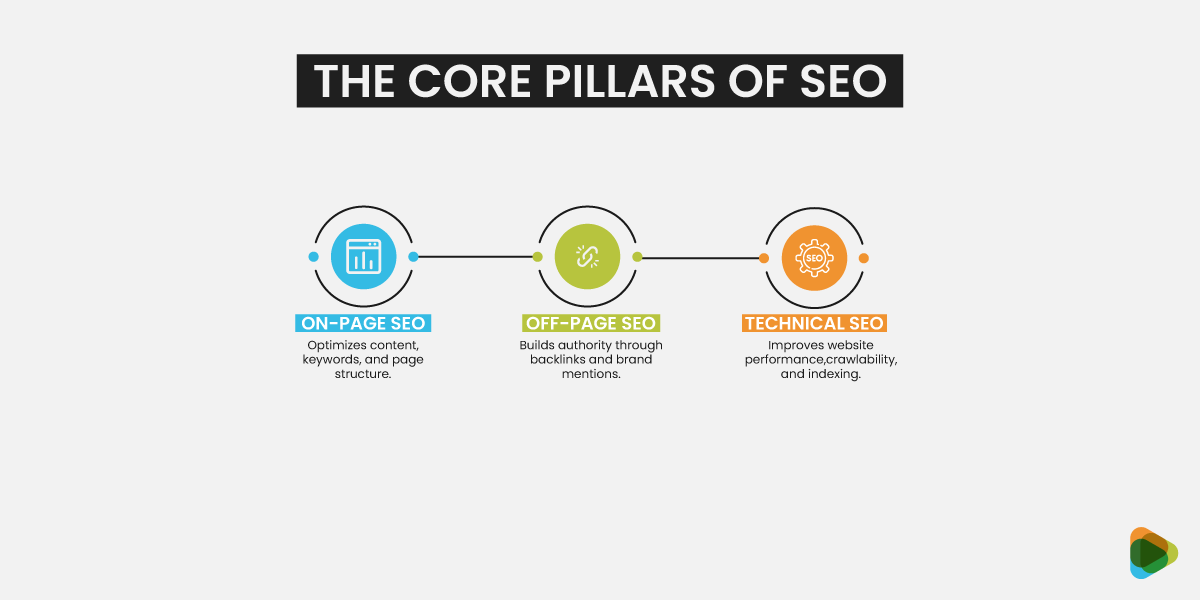
1. On-Page SEO
On-page SEO refers to the optimization performed directly within a website page to improve its relevance and visibility in search results.
Key elements of effective on-page SEO include:
• Content Optimization
This is the process of improving digital content to make it more valuable and visible to both users and search engines. It’s focused on improving elements such as keywords, headings, readability, structure, and media to increase search engine rankings.
- Keyword and intent optimization: Keywords that naturally match user search
- Content and search intent
- Depth, clarity, and usefulness
• HTML Elements
The building blocks of web pages are known as HTML elements. They define the structure and content of a webpage by using tags to organize text, images, links, tables, forms, or other aspects. Search engines and web browsers rely on HTML elements to understand and display webpage content correctly.
- Meta titles and descriptions: Titles and descriptions that improve visibility and click-through rates
- Heading structure: H1, H2, H3, and continuous headings for topics to improve readability
- Image optimization: Descriptive file names, alt text, and compressed images to make them visible in search
• Content Structure & UX
It’s the way information is organized and presented on a webpage. A clear structure using headings, paragraphs, lists, and sections helps users find information easily. Good content structure improves user experience (UX) by improving readability, navigation, and overall engagement, making it easier for visitors to interact with and understand the content.
- Content readability: Shorter paragraphs, lists, and clear formatting to improve user engagement
- Question-based headings: Formatting certain headings as questions can increase opportunities for featured snippets and direct-answer results
- Internal linking: Connecting related pages and articles to strengthen topical relevance and improve navigation
- Clear page hierarchy and layout
Case Study: How Nomad Lane Ranks Top for “Travel Bento Bag”
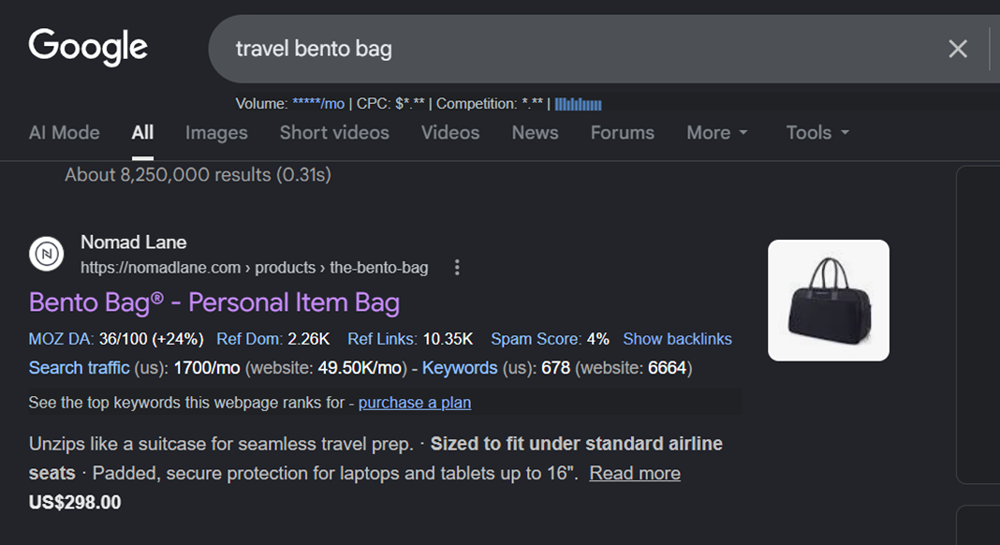
Nomad Lane is a strong example of how focused on-page SEO can help a relatively small brand compete in highly competitive search results. The brand consistently ranks for terms like “travel bento bag” by combining keyword-driven content with strong on-page optimization and user-focused design.
• Search-Led Site Structure

Instead of relying on generic navigation, Nomad Lane uses descriptive, keyword-aligned labels across its site to reflect how users actually search. This helps search engines understand page relevance while guiding users to key product and content areas more intuitively.

• Optimized Product Pages

Key product pages, such as the Bento Bag and Tomodachi Sling Bundle (https://nomadlane.com/products/bento-bag-and-tomodachi-sling-bundle-1), are structured for clarity and relevance. Titles and metadata are keyword-conscious without feeling forced, while headings break down product benefits in a logical flow.
Supporting elements like image alt text and product descriptions reinforce topical relevance, helping search engines better understand what each page represents.
• Designed for Easy Consumption
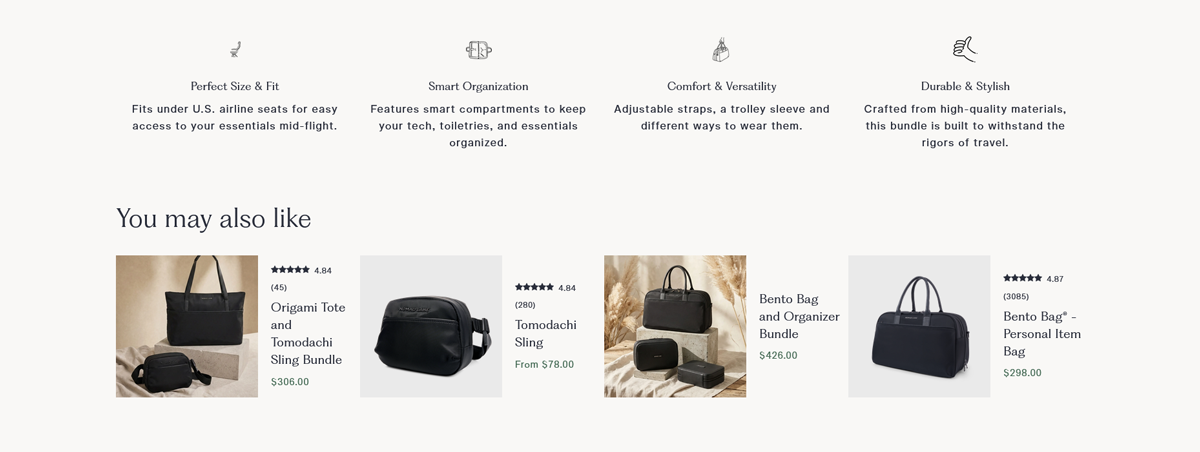
Across both blog and product pages, content is designed to be easy to scan and consume. Short sections, clear formatting, and logical information flow make it simple for users to quickly find answers.
Internal linking connects educational blog content with commercial product pages, strengthening site structure and distributing relevance across key pages.
Why It Works
Nomad Lane’s success comes from consistency in on-page execution. Every page is aligned with search intent, structured for clarity, and designed to support both users and search engines. This creates strong topical relevance around terms like “travel bento bag”, helping the brand maintain visibility in a competitive search category.
2. Off-Page SEO
Off-page covers strategies implemented outside your website to improve its authority, credibility, and visibility. Search engines consider external signals such as high-quality websites being referenced, discussed, and linked by other trusted sources. These showcase their reputation and authority in the industry or niche.
• Backlink Building
Links from other websites pointing to your content help signal trust and relevance. High-quality backlinks from reputable websites generally carry more value than a large number of low-quality links.
- High-quality backlinks from authoritative websites
- Guest posting on relevant platforms
- Natural link acquisition through valuable content
• Brand Authority
Mentions of your business or brand across blogs, directories, and social media platforms can strengthen visibility and authority, even when they do not include direct links.
- Brand mentions across websites and media
- Digital PR and outreach campaigns
- Thought leadership and content distribution
• Reputation Signals
Reviews, testimonials, and positive discussions around a brand contribute to trust and influence how users and search systems perceive authority. To address this, you can consider reputation management services as well.
- Online reviews and ratings
- Social sharing and engagement
- Community presence and discussions
Case Study: How Leigh & Co. Events Builds Authority Through Off-Page SEO
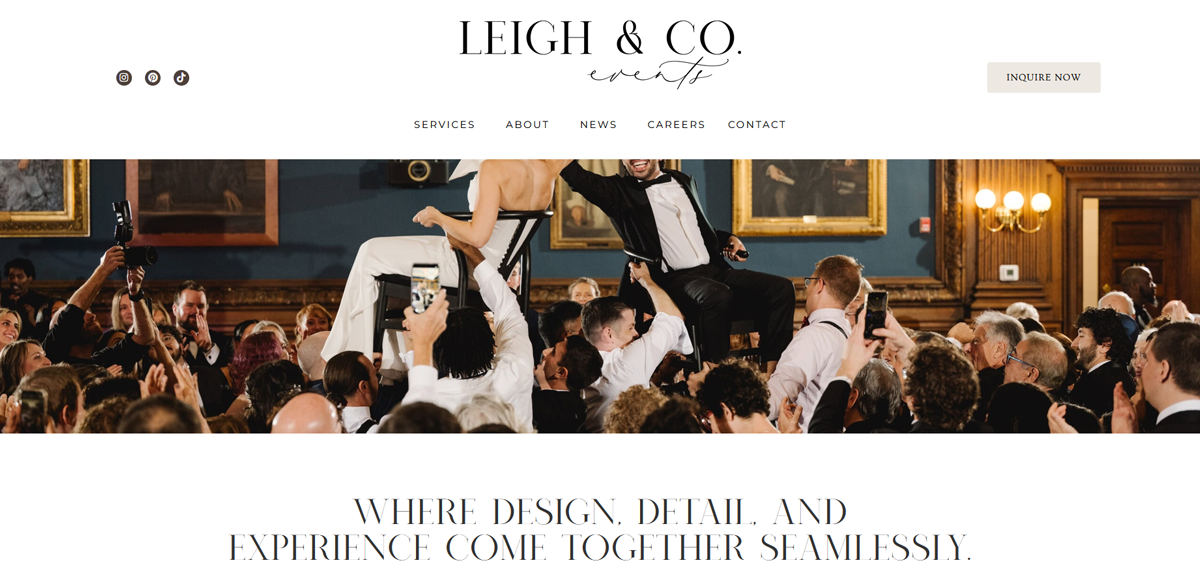
Leigh & Co. Events is a strong example of how a local service business can strengthen its search visibility through strategic off-page SEO. Rather than relying solely on website optimization, the brand has built credibility across trusted platforms, industry directories, and review sites.
• Visibility Through Industry Mentions
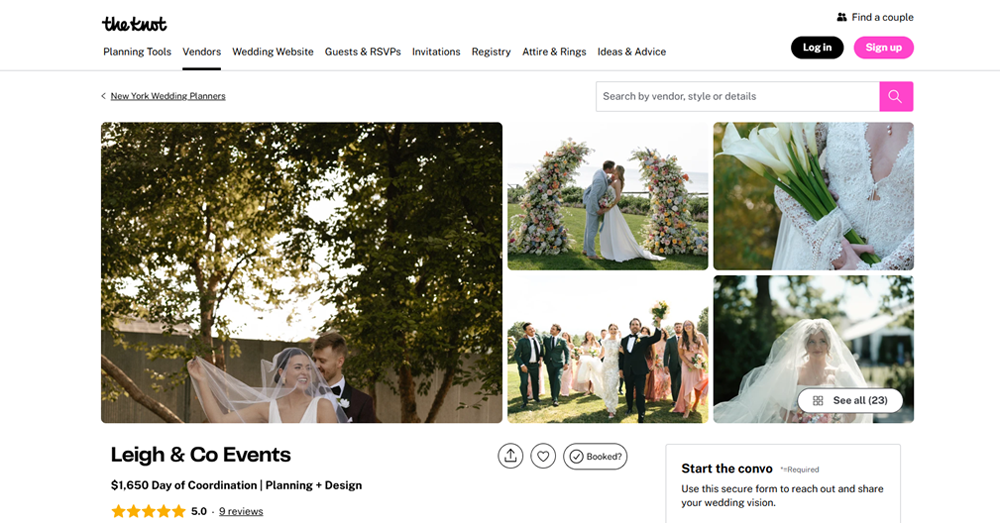
One of Leigh & Co.’s biggest strengths is its presence on authoritative wedding directories and publications. Profiles on platforms such as The Knot help the business gain exposure to potential clients while earning valuable backlinks and brand mentions from trusted industry sources.
• Leveraging Visual Platforms

Leigh & Co. also maintains an active presence on Pinterest, where wedding inspiration and event imagery are highly shareable. This helps generate brand awareness, referral traffic, and additional opportunities for content distribution beyond traditional search channels.
• Building a Strong Backlink Profile
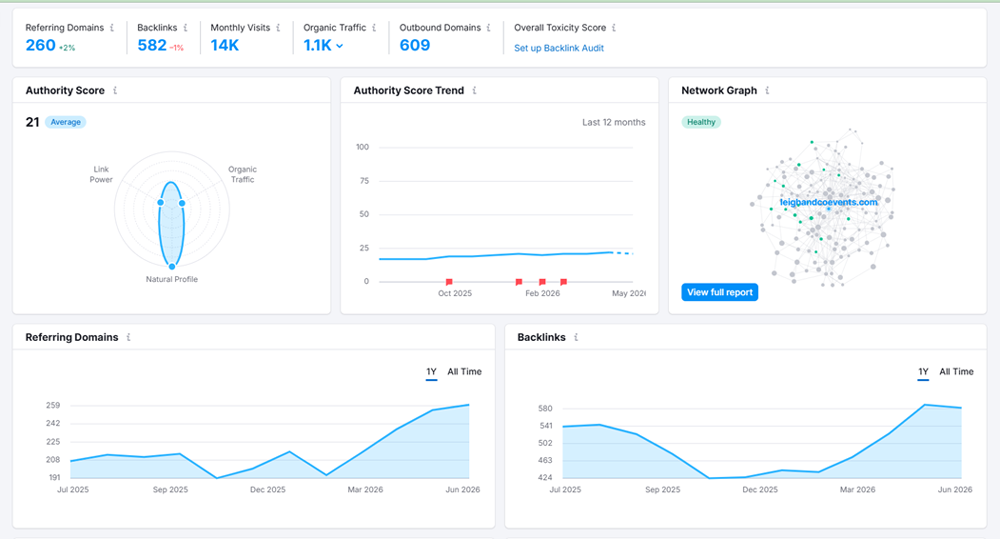
The company has accumulated approximately 260 referring domains and more than 580 backlinks, creating a diverse backlink profile that signals trust and authority to search engines.
• Reputation as a Ranking Signal
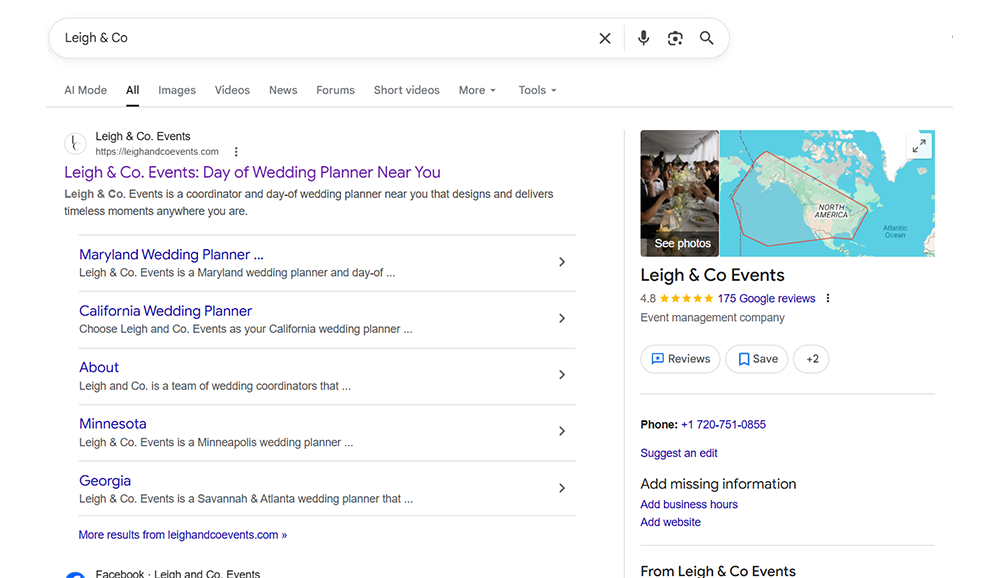
Customer reviews are another important part of the company’s off-page strategy. With more than 140 Google Business Profile reviews and an average rating of 4.8 stars, Leigh & Co. has built strong social proof and local credibility.
Why It Works
Leigh & Co. demonstrates that successful off-page SEO extends beyond link building. By combining authoritative directory listings, visual brand promotion, a healthy backlink profile, and strong customer reviews, the company has created a trustworthy online presence that supports both rankings and customer acquisition.
3. Technical SEO
Technical SEO improves the structure and performance of a website so search engines can efficiently discover, understand, and index its content. Search engines and AI platforms require clean site structures and accessible content to process information accurately. A technically optimized website makes it easier for these systems to understand content and deliver it to users.
It does not necessarily change what users see directly, but it significantly impacts how websites perform behind the scenes.
• Website Performance
This is how quickly and efficiently a website loads and responds to user interactions. Factors such as page load speed, mobile responsiveness, and server efficiency affect performance. A well-performing website improves user experience, reduces bounce rates, and can positively influence search engine rankings.
- Page speed optimization
- Mobile responsiveness
- Core Web Vitals improvement
• Site Architecture
It’s the way a website’s pages and content are organized and connected. A well-structured site helps search engines crawl and index pages quickly. Good site architecture improves usability and supports better search engine optimization (SEO).
- Clean URL structure
- Logical internal linking structure
- XML sitemaps and robots.txt configuration
• Indexing & Crawlability
These are essential aspects of search engine optimization. Crawlability is the search engine’s ability to access and navigate a website’s pages. Indexing is the process of storing and organizing those pages in a search engine’s database. Websites with good crawlability and proper indexing are more likely to appear in search results.
- Fixing crawl errors and broken links
- Proper use of canonical tags
- Managing duplicate content issues
- Secure website (HTTPS)
Case Study: How Swyft Demonstrates Strong Technical SEO
Swyft Home is a strong example of technical SEO done well. While visitors see a seamless e-commerce experience, several technical elements behind the scenes help search engines crawl, understand, and index the website efficiently.
• Fast, User-Friendly Performance
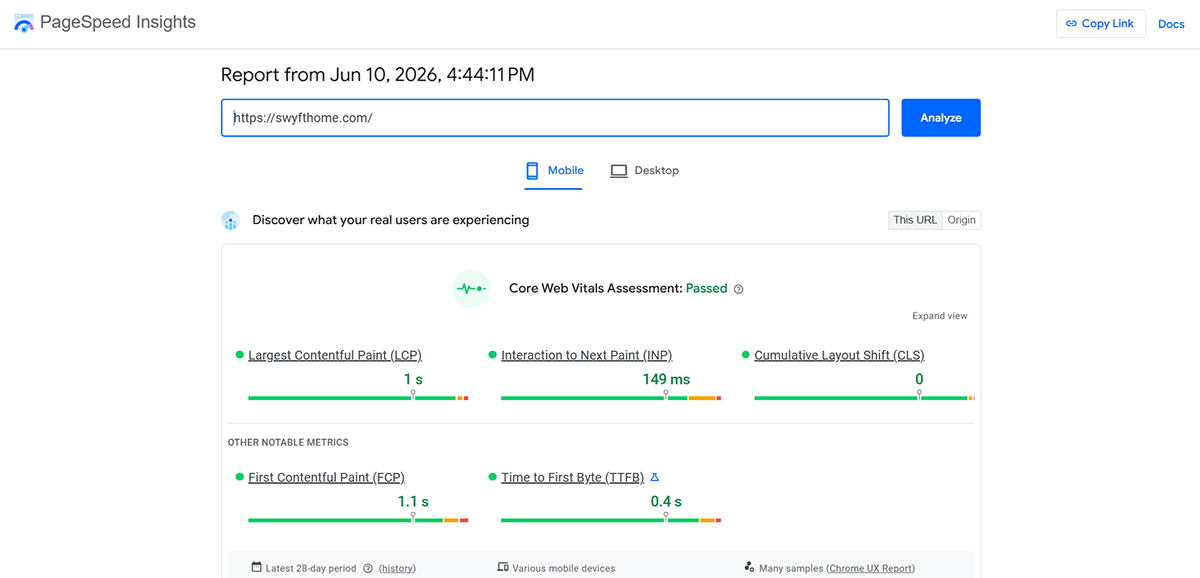
Website speed is one of the most important technical SEO factors, particularly for e-commerce sites. Swyft performs well in Google’s PageSpeed Insights testing, delivering a fast and responsive experience across devices.
• Clean Site Architecture
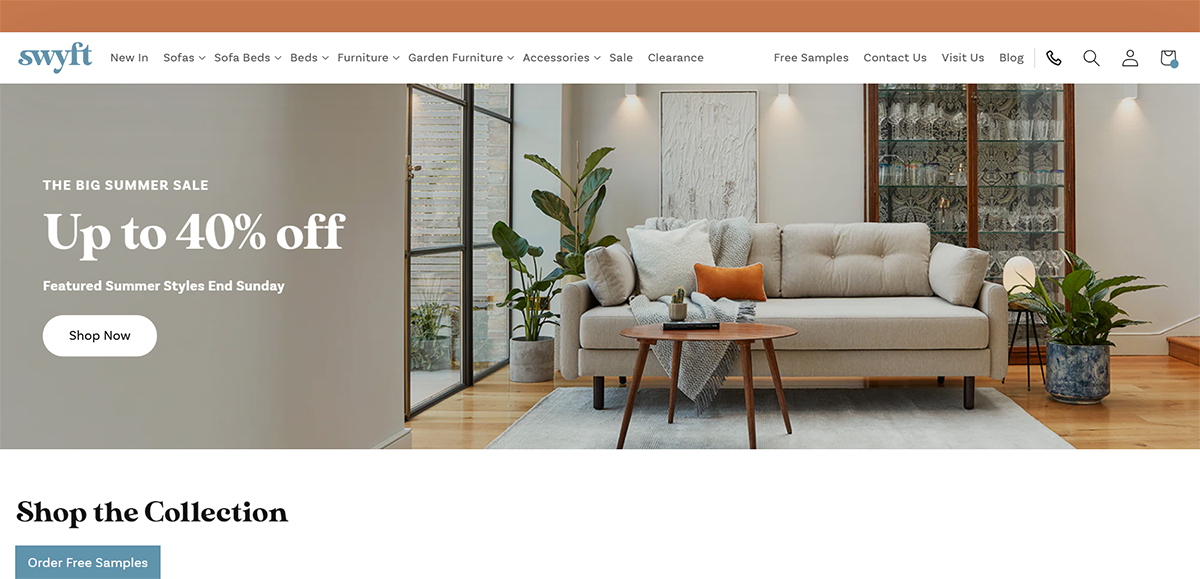
Swyft uses descriptive and logical URLs that clearly communicate page topics to both users and search engines. For example, category pages such as 2-seater sofas immediately indicate the type of products users can expect to find. This simple URL structure improves crawlability and helps reinforce keyword relevance.
• Proper Canonicalization
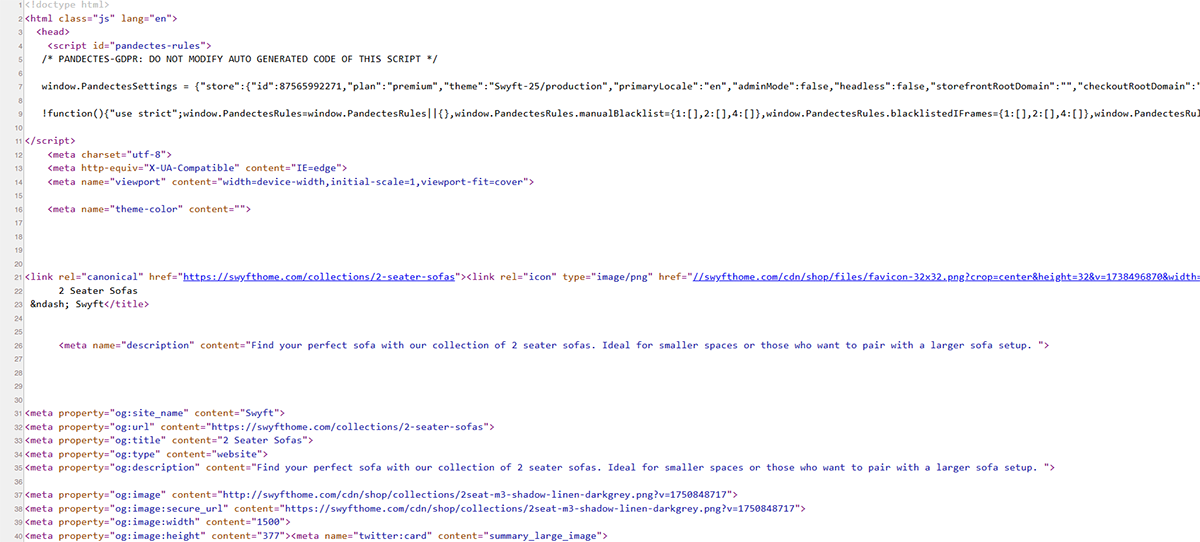
The site also implements canonical tags on product pages, helping search engines identify the preferred version of a page and reducing the risk of duplicate content issues.
• Structured Data Implementation
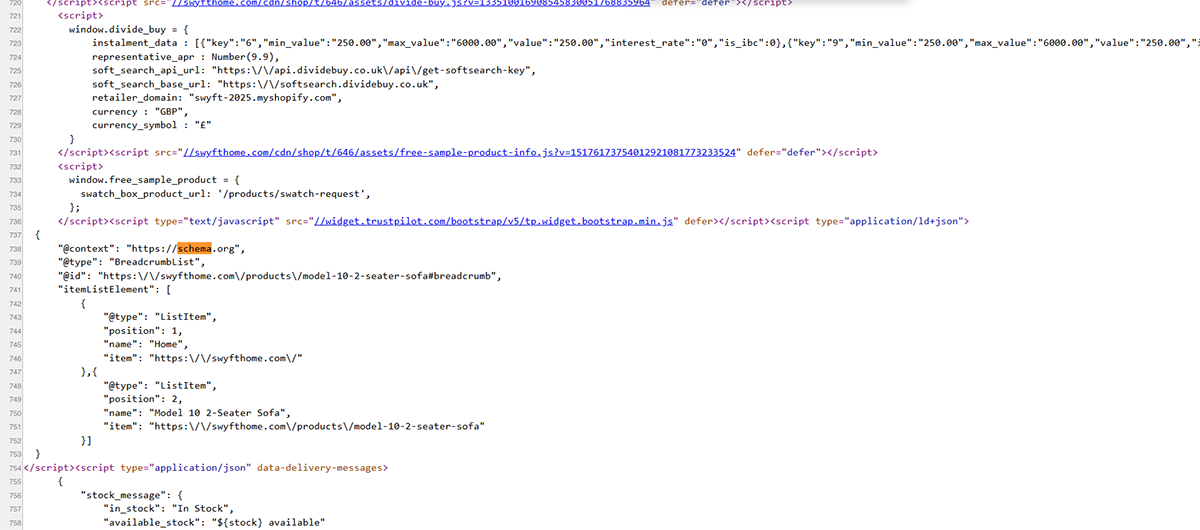
Product pages include both product schema and breadcrumb schema. This structured data improves eligibility for enhanced search results and provides additional context for search engines.
• Security and Trust
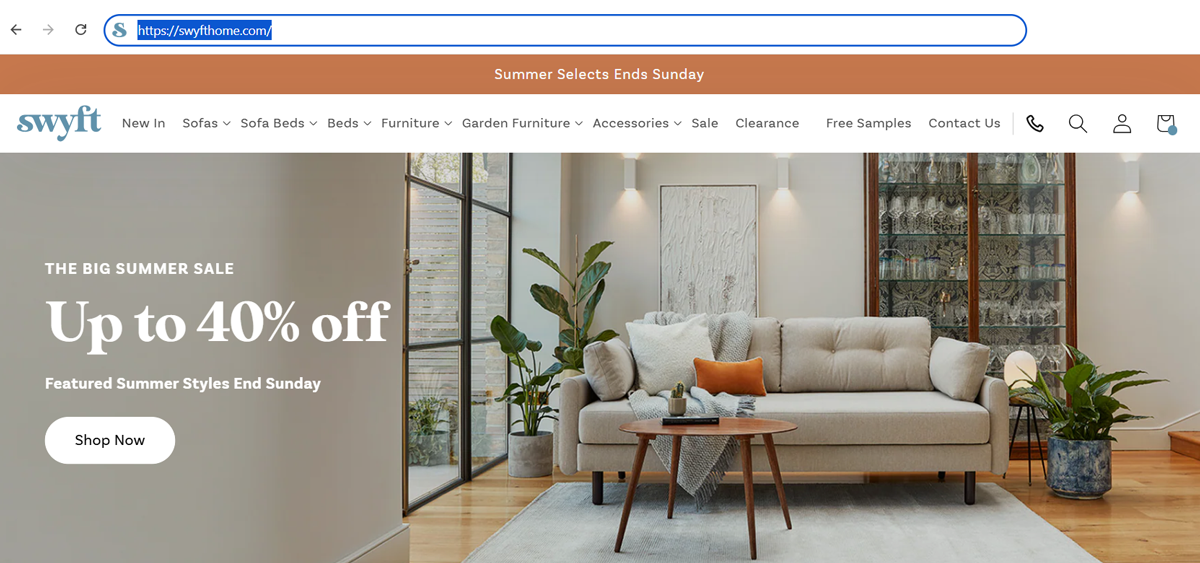
Swyft uses HTTPS across its website, ensuring all pages are delivered securely. HTTPS is a recognized ranking signal and an important trust factor for ecommerce businesses handling customer information and transactions.
Why It Works
Swyft’s technical SEO strategy focuses on fundamentals executed consistently: fast page performance, crawlable site architecture, canonical tags, structured data, and secure browsing. Together, these elements create a strong technical foundation that supports both search engine visibility and a smooth user experience.
The Basics of SEO Strategy
Multiple factors, such as keyword research, high-quality content, technical optimization, and link building, create a strong SEO strategy. To ensure a website ranks well for relevant searches, content should match user intent. This way, businesses can increase online visibility and achieve sustainable long-term growth.
1. Keyword Research
It means collecting search volume and popularity, competition levels, user intent, industry trends, and content opportunities. Keyword research remains an essential part of SEO, as it helps identify the topics and search terms that audiences use most frequently.
Mostly, traditional keyword research should focus on:
- Choosing relevant topics rather than isolated terms
- Understanding search intent
- Using keywords naturally within content
- Identifying long-tail opportunities
- Building content around broader themes
Types of Keywords
- Short-tail keywords
- Long-tail keywords
- Branded keywords
- Transactional keywords
- Informational keywords
- Local keywords
For example, ‘logo contest’ is a short-tail keyword. These are broad, have high search volume, and can face strong competition.
Long-tail keywords are more specific variations of a search term. Examples include ‘how to run a logo design contest’ or ‘logo design contest pricing and cost.’ They generally attract lower search volume but have clearer intent and can be easier to rank for.
Branded keywords include the names of companies, products, or services. So something like ‘ZillionDesigns logo contest’ and ‘ZillionDesigns logo crowdsourcing.’ These searches are usually performed by users who are already familiar with a particular brand.
Transactional keywords indicate that a user is ready to take action, such as making a purchase or signing up for a service. These would include ‘start a logo contest’ or ‘run a logo contest online.’
Informational keywords are used by people seeking knowledge or answers to specific questions. ‘What is a logo contest?’ ”How do logo contests work?’ and ‘Tips for getting better logo submissions’ are just a few examples of these.
Local keywords include geographic terms and are used by people looking for products or services in a specific area. People searching for ‘logo contest services in New York’ or ‘logo contest platform near me’ are using such keywords.
| Type of Keyword | Description | Example |
| Short-tail keywords | Broad search terms with high search volume and high competition. | logo contest |
| Long-tail keywords | More specific search phrases with lower volume but clearer intent. | how to run a logo design contest |
| Branded keywords | Searches that include a company or product name. | ZillionDesigns logo contest |
| Transactional keywords | Indicate purchase or action intent (buy, sign up, start). | start a logo contest |
| Informational keywords | Used to find answers, explanations, or how-to content. | what is a logo contest |
| Local keywords | Include geographic terms for location-based searches. | logo contest services in New York |
2. Content Creation and Optimization
Anything you create around your business needs to help the website rank in search results, provide direct answers for users, and have good context too. Search engines prioritize content that is helpful, well-structured, and easy to reference.
• EEAT Guidelines
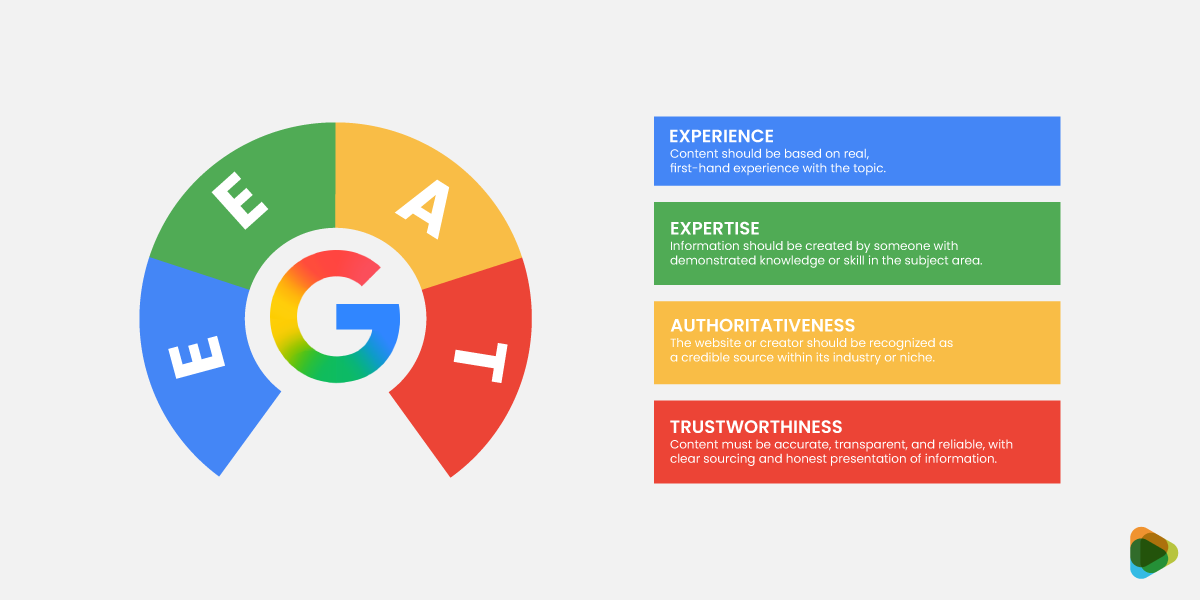
Google uses the EEAT framework to rank and display websites in SERPs. Content quality needs to follow the principles of experience, expertise, authoritativeness, and trustworthiness. EEAT may not be a direct ranking factor, but it helps search engines assess whether the content is reliable and valuable to users.
Content should be accurate, well-researched, regularly updated, and written with the user’s needs in mind. This is important for EEAT principles. Sources should be cited when appropriate, and claims should be supported by evidence whenever possible.
• Content for Search Intent
Every piece of content should be created with a specific search intent in mind. Search intent describes the reason behind a user’s search and helps determine the type of content that is most likely to meet their requirements.
- Informational intent – looking for information or answers to questions
- Commercial intent – researching products or services before making a decision
- Transactional intent – ready to take action, such as making a purchase or signing up for a service
- Navigational intent – trying to find a specific website, brand, or page
When you work with search intent in mind, your content is more likely to engage users, reduce bounce rates, and perform well in search results.
Waffle Factory is a strong example of how a single website can serve different search intents depending on the user journey and page type.
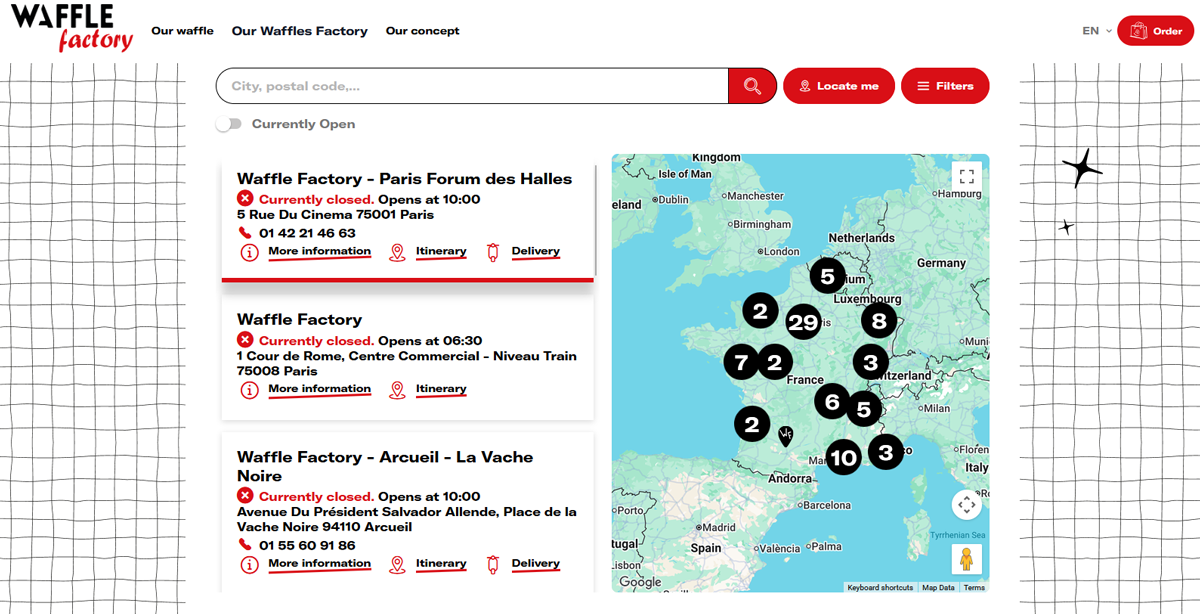
The Restaurant Locator page, which supports navigational intent. This page is designed for users who are looking for a nearby Waffle Factory location, exploring restaurants, and accessing store-specific information.
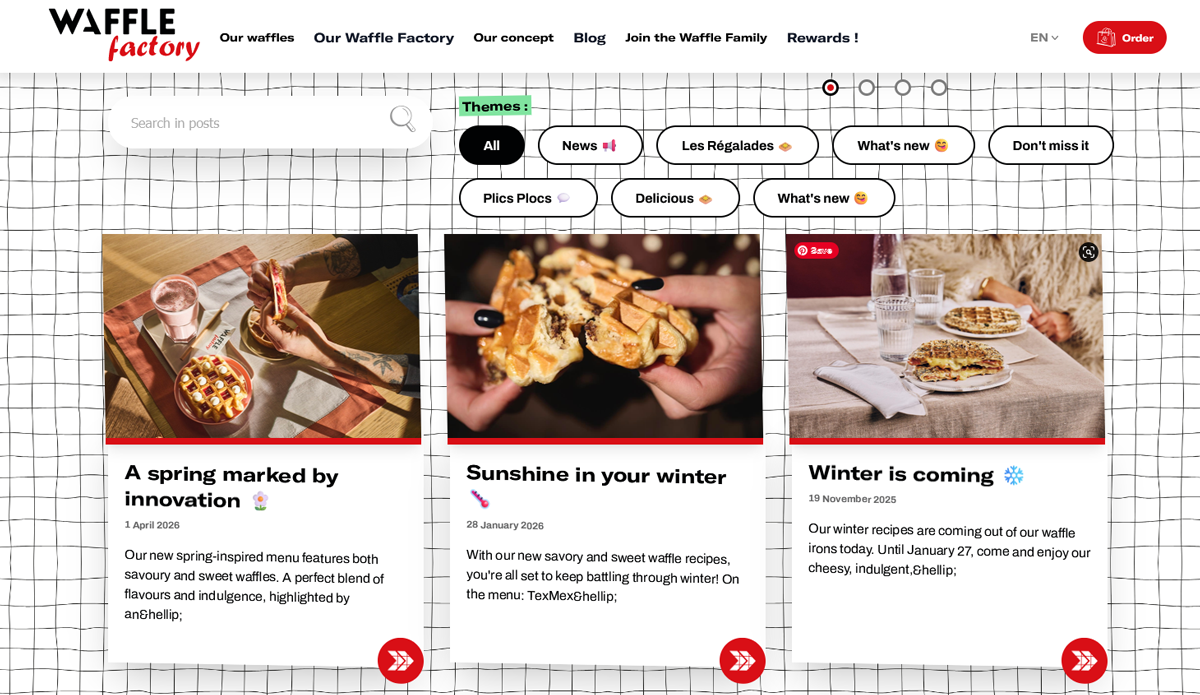
From there, the website expands into informational content through content-focused pages such as the blog, history, and our process pages. These pages help users understand the brand, its story, and how its products are made. They are designed to answer questions, build awareness, and provide educational content rather than drive immediate action.
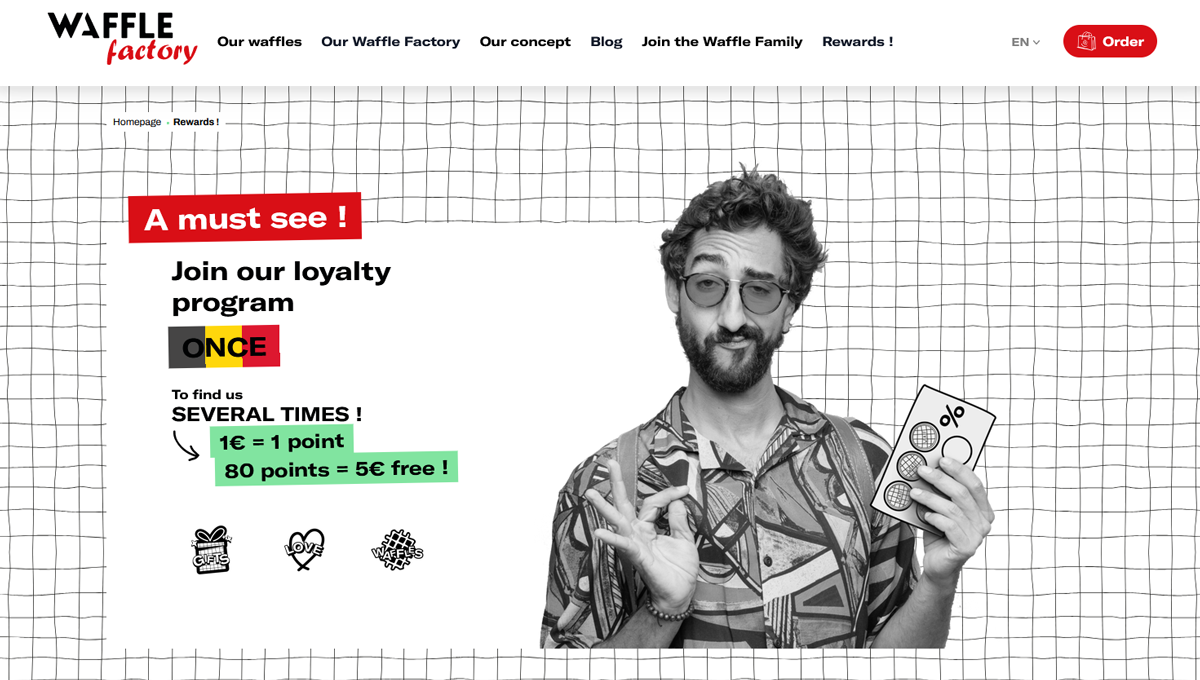
As users progress further along the journey, the platform signals commercial intent via the My Waffle Factory (Rewards) page. This section is aimed at users who are actively exploring the brand experience, engaging with offerings, and considering deeper interaction with the company before making a decision.
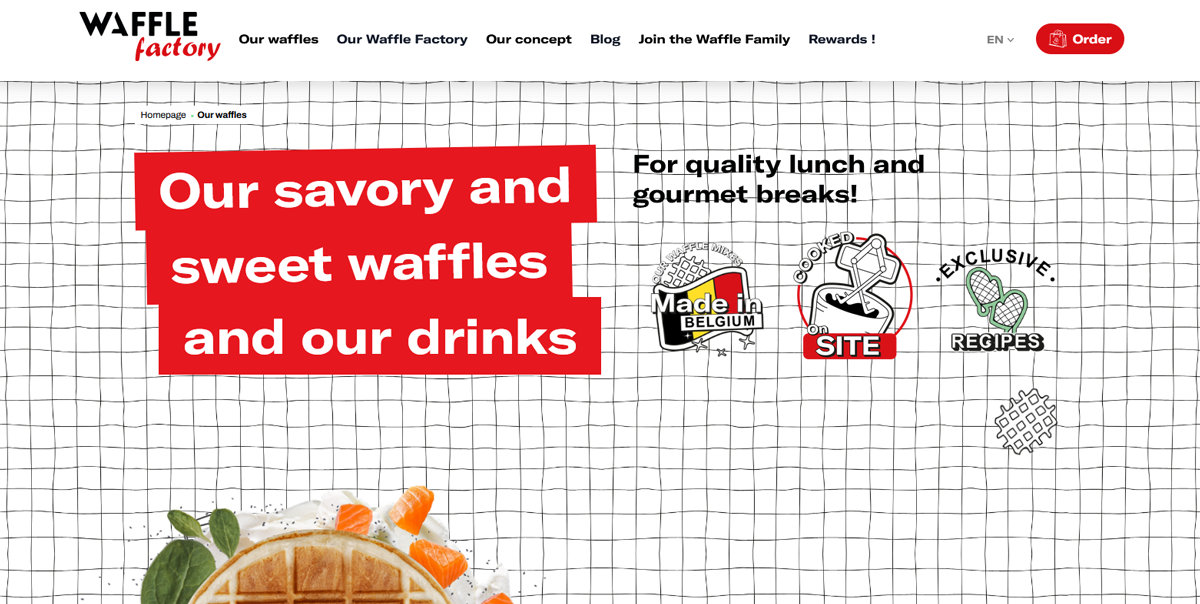
Finally, the website supports transactional intent through the Our Waffle page. This page is designed to help users evaluate product options and move closer to action, such as choosing a product or visiting a store to make a purchase decision.
• Content Formats
This helps search engines understand a website’s topics and determine which pages should appear for specific searches. Common types include:
- Blog articles
- Service pages
- Landing pages
- Product pages
- Guides and tutorials
- Case studies
It’s important to focus on relevant keyword usage, clear heading structure, internal linking, optimized titles and meta descriptions, and strong readability for UX.
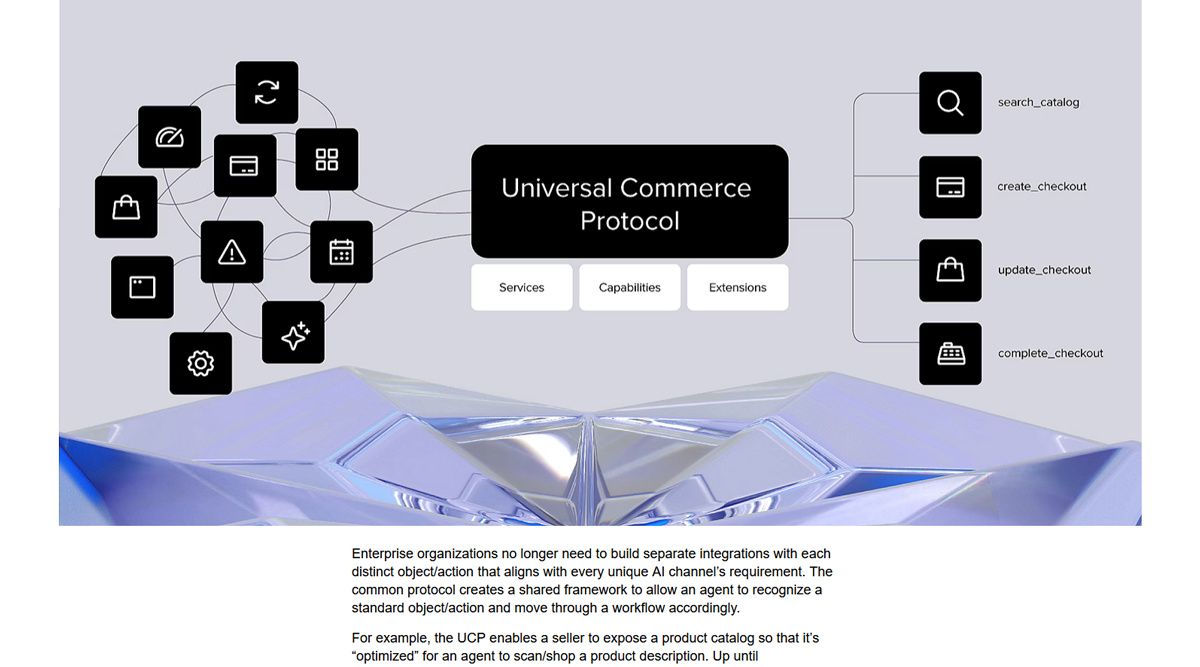
A good example of a website using multiple content formats effectively is Merkle.
Merkle publishes blog articles that provide insights into industry trends, technology updates, and digital marketing strategies.
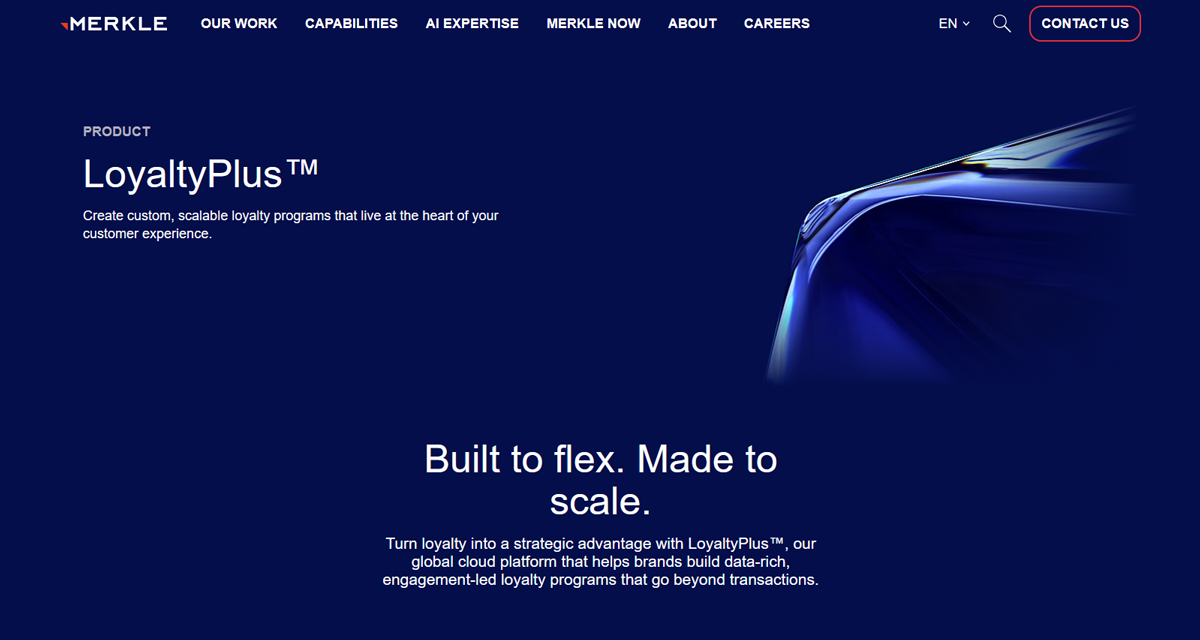
The website also features product and solution pages, such as Loyalty Plus, which provide detailed information about specific offerings, features, and capabilities.
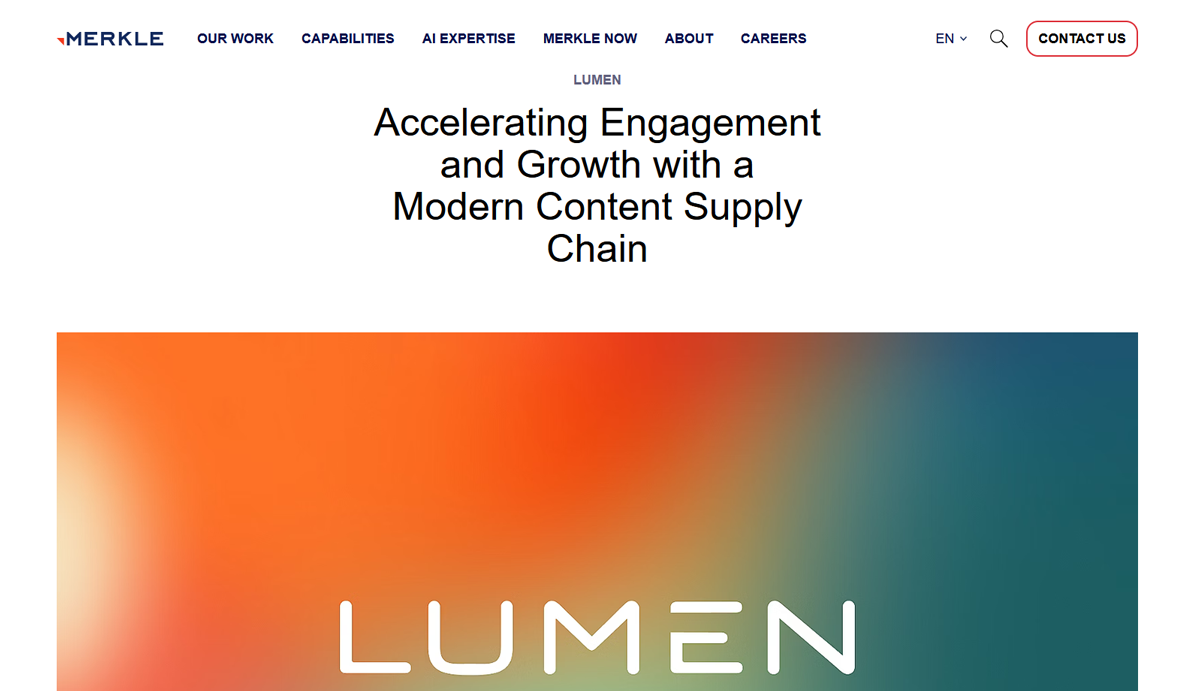
To build credibility and demonstrate real-world results, Merkle publishes case studies showcasing client challenges, strategies, and outcomes.
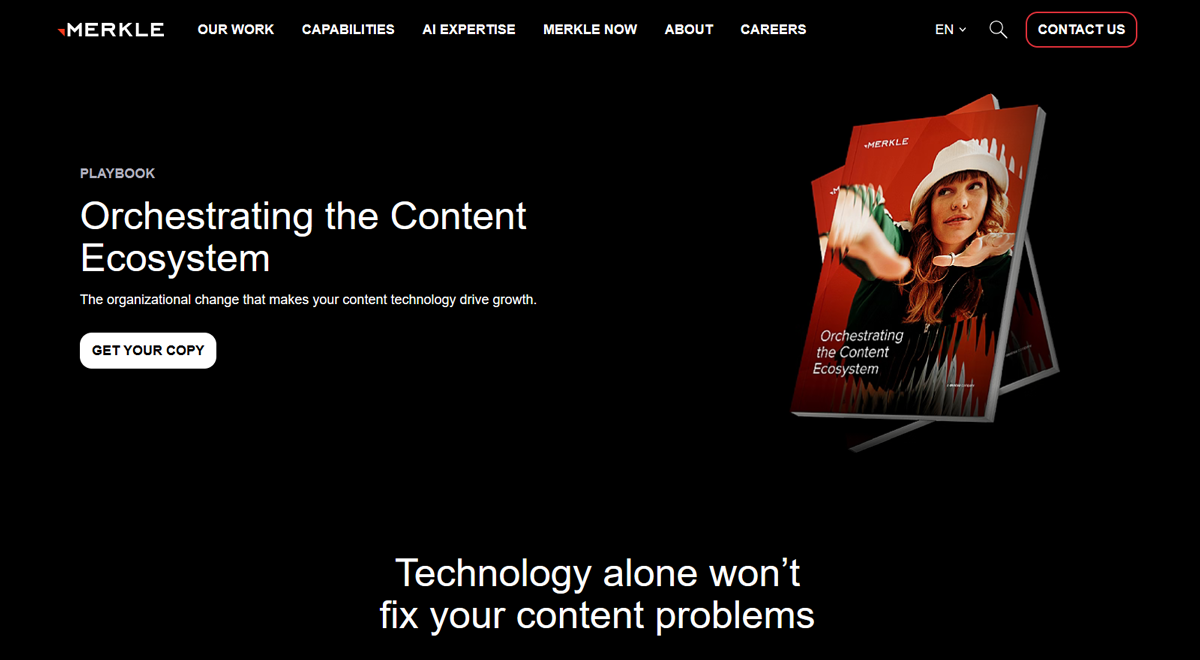
In addition, the company offers guides, reports, and ebooks that provide in-depth information on industry topics and best practices. These long-form resources are designed to educate readers while showcasing Merkle’s knowledge and research capabilities.
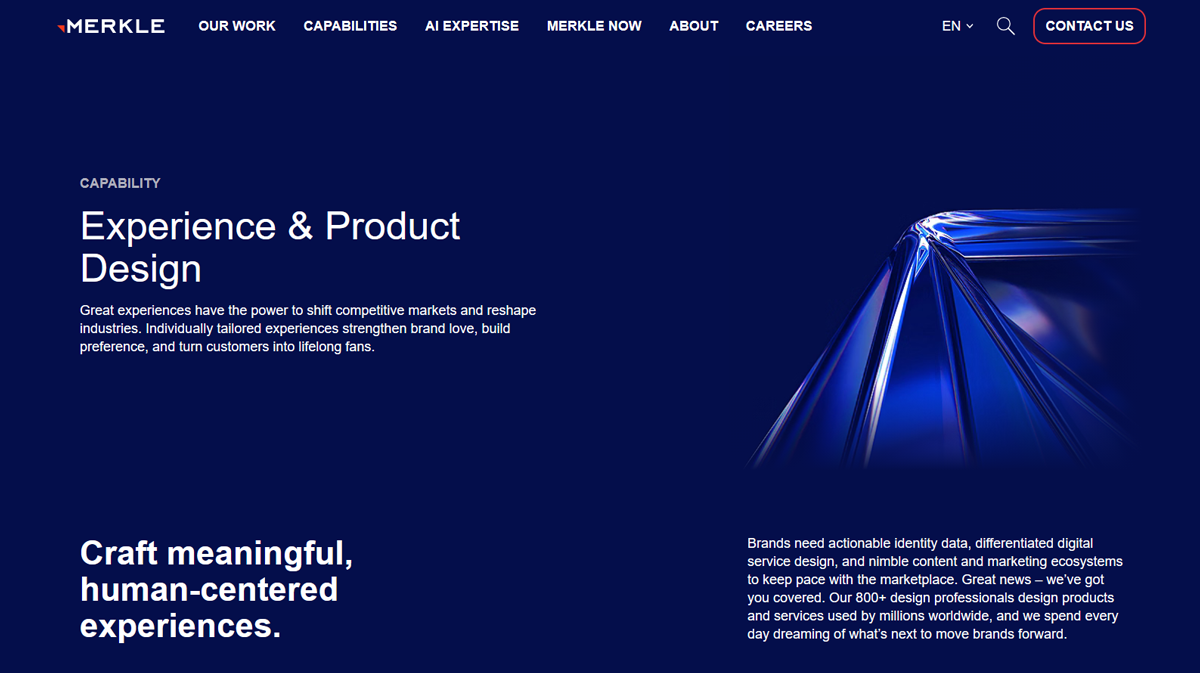
Merkle also uses dedicated landing pages for its services and capabilities. These pages feature optimized headings, clear page structure, compelling content, and strong calls to action that help communicate the value of specific offerings.
Across all content formats, Merkle follows key SEO and EEAT principles, including well-structured content, descriptive headings, internal linking, optimized titles and meta descriptions, high-quality information, and a strong focus on user experience. This consistent approach helps search engines better understand the website’s topics and authority while making content easier for users to navigate and consume.
3. Link Building
This is the process of earning links from other websites that point back to your content. Links serve as signals of trust, indicating that another website considers the content useful or valuable enough to reference.
• Backlinks as Trust Signals
These remain among the strongest authority signals in SEO and now in ChatGPT, Claude, and Gemini as well. When leading websites link to a page, search engines consider those endorsements of the content’s quality and relevance. Mostly, you can earn backlinks through:
- Publishing valuable resources and guides
- Creating original insights or research
- Producing shareable industry content
- Building relationships with industry websites
A comparison between Wills Eye Hospital and Penney Eye Care illustrates the impact backlinks can have on website authority and search visibility.
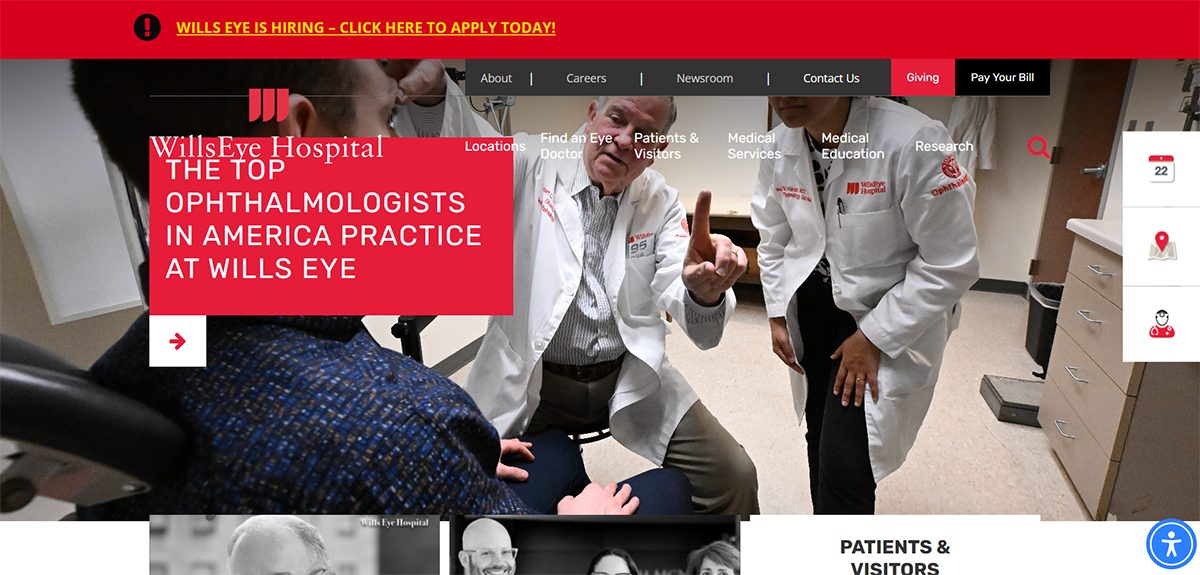
Wills Eye Hospital has a strong backlink profile with high authority and visibility.

Penney Eye Care has a smaller backlink profile with lower authority and visibility.
Here’s a snapshot:
| Website | Referring Domains | Backlinks | Authority Score | Organic Traffic |
| Wills Eye Hospital | 2,400 | 11,100 | 45 | 91,400 |
| Penney Eye Care | 152 | 351 | 15 | 613 |
While many factors contribute to search performance, differences in backlink profiles are significant. Wills Eye Hospital has earned links from a much larger number of websites, which strengthens its authority and increases the likelihood that search engines view its content as credible and trustworthy.
A stronger backlink profile often correlates with greater authority, improved rankings, and increased organic traffic.
• Brand Mentions across the Web
A company or brand referenced online, even without a direct link, is known as a brand mention. Search engines and AI systems increasingly recognize these as signs of brand building and domain authority.

A good example of strong brand visibility is Audemars Piguet. The luxury watchmaker is frequently mentioned across a wide range of reputable publications, including technology, fashion, lifestyle, and entertainment websites.
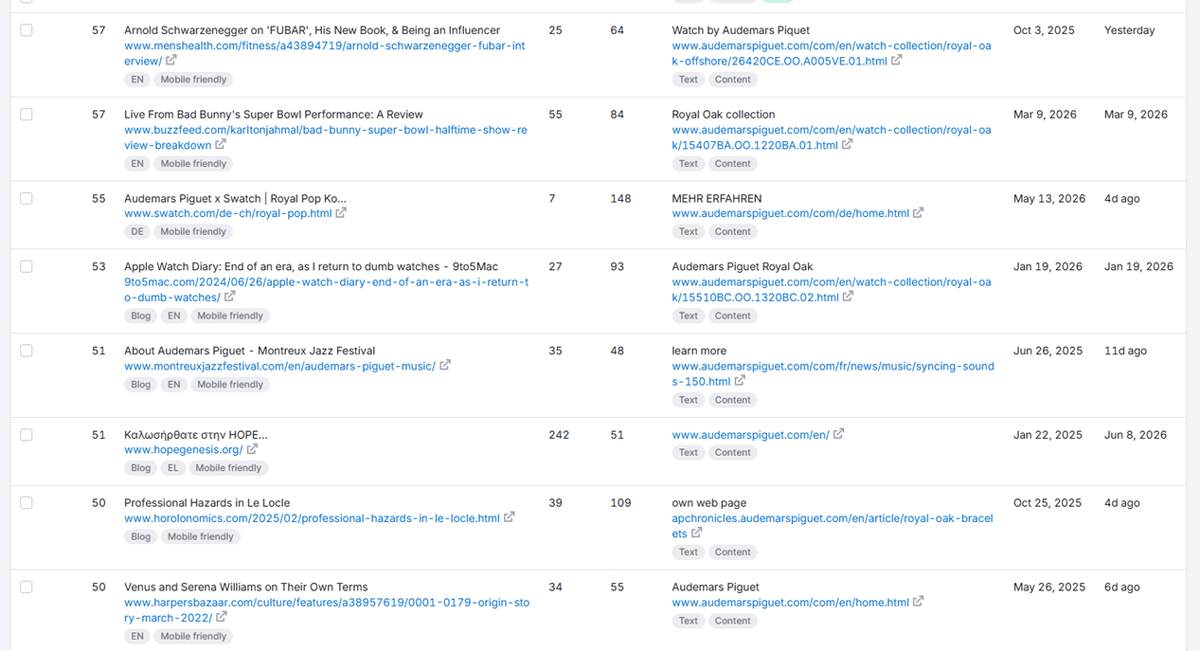
For example, the brand has been referenced by publications such as 9to5Mac, Harper’s Bazaar, Men’s Health, Marie Claire, BuzzFeed, and industry-focused watch publications. These mentions help reinforce Audemars Piguet’s reputation and visibility across the web, even when a direct backlink is not present.
• Topical Authority and Expertise
Search systems are prioritizing websites that demonstrate deep expertise within a specific subject area. Instead of looking for isolated pages independently, they are more likely to analyze how comprehensively a website covers related topics. Topical authority develops when businesses consistently publish high-quality content around connected themes.
A good example of topical authority in action is Valspar.

The resource section includes content covering painting basics, step-by-step project tutorials, how-to guides, expert tips, color advice, and maintenance recommendations. By consistently addressing related topics within its area of expertise, the website demonstrates both depth and breadth of knowledge.
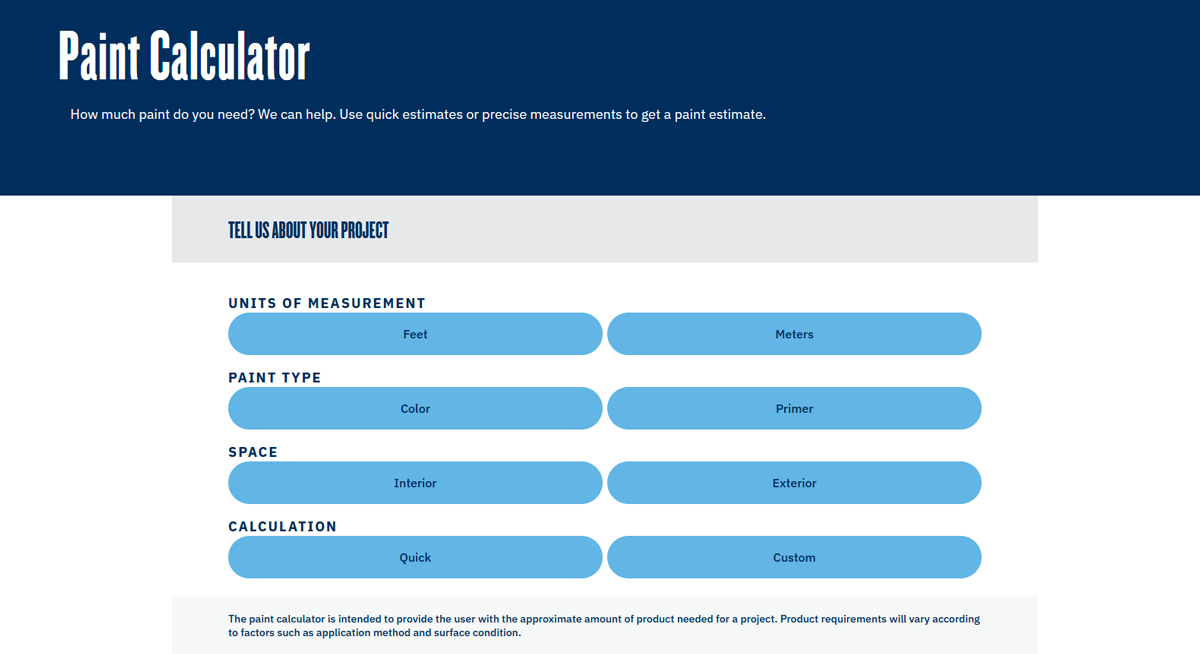
In addition, Valspar provides a practical paint calculator, which helps users estimate the amount of paint needed for a project.
Together, this combination of educational content, expert guidance, and interactive tools helps establish Valspar as a trusted source of information within its industry.
• Link-building Techniques
These focus on earning high-quality, relevant backlinks through valuable content, outreach, and relationship building. Here are some of the popular techniques to keep in mind.
- Organic Link Building
- Guest Posting
- Outreach Link Building
- Digital PR
- Resource Page Link Building
- Broken Link Building
- Case Study and Testimonial Link Building
4. Internal vs. External Linking
Both of these aspects play an important role in how search engines assess your website’s structure and authority. Internal and external links have different purposes but work together to improve SEO performance. The first one refers to linking between pages on the same website. It helps search engines crawl your site more effectively, distributes page authority, and improves navigation for users.
External linking refers to linking from your website to other reputable websites. This provides additional context, supports your claims with credible sources, and improves content trustworthiness. Linking to authoritative sources can also strengthen the perceived reliability of your content.

Strong internal and external linking practices are evident on Feature Shoot.
Within its blog articles, the website uses internal links to connect related stories, interviews, and photography features.
At the same time, Feature Shoot includes external links to credible third-party sources, including photographers’ portfolios, galleries, publications, and relevant background references.
These links provide additional context, support the information shared in articles, and strengthen the overall trustworthiness of the content.
5. User Experience Optimization
User experience (UX) optimization focuses on improving how users interact with your website. A positive experience increases engagement, reduces bounce rates, and supports better search rankings. Search engines prioritize websites that provide a smooth and helpful experience, making UX an essential part of SEO strategy.
• Speed
Website speed directly impacts user satisfaction and SEO performance. Slow-loading pages can increase bounce rates and reduce conversions, while fast websites encourage engagement and longer sessions.
| Loading Time | Potential Impact |
| 0–2 seconds | Excellent user experience |
| 2–4 seconds | Acceptable performance |
| 4+ seconds | Increased bounce rates and abandonment |
• Mobile Friendliness and Responsiveness
With the majority of searches now occurring on mobile devices, websites must function seamlessly across all screen sizes. Responsive design ensures content, layouts, and functionality adapt to desktops, tablets, and smartphones.
A mobile-friendly website should provide the following:
- Responsive layouts
- Easy-to-read text
- Touch-friendly buttons
- Fast mobile loading speeds
- Minimal horizontal scrolling
• Clear Structure and Navigation
Users should be able to find information quickly and easily. A well-organized website improves usability while helping search engines understand relationships between pages.
Elements of strong website navigation:
- Clear menu structure
- Logical page hierarchy
- Consistent navigation across pages
- Breadcrumb navigation (where appropriate)
- Strategic internal linking
• Visual Aspects
Visual design affects how users perceive and interact with your content. Clean layouts and consistent branding improve readability and create a more professional user experience.
| Good UX Practice | Benefit |
| Clear typography | Improves readability |
| Consistent branding | Builds trust and recognition |
| Proper spacing | Makes content easier to scan |
| High-quality visuals | Enhances engagement |
| Organized layouts | Reduces cognitive overload |
• User Journey and CTAs
Every page should guide visitors toward a specific action. Whether users are making a purchase, requesting a quote, or exploring additional content, the journey should feel intuitive and frictionless.
Best practices for user journeys and CTAs:
- Place CTAs prominently on key pages
- Use action-oriented language
- Minimize unnecessary form fields
- Reduce distractions during conversion steps
- Provide clear next steps after user actions
A well-designed user journey helps visitors accomplish their goals while increasing conversions and overall website performance.
Hello Hera is a strong example of a website that delivers an excellent user experience.
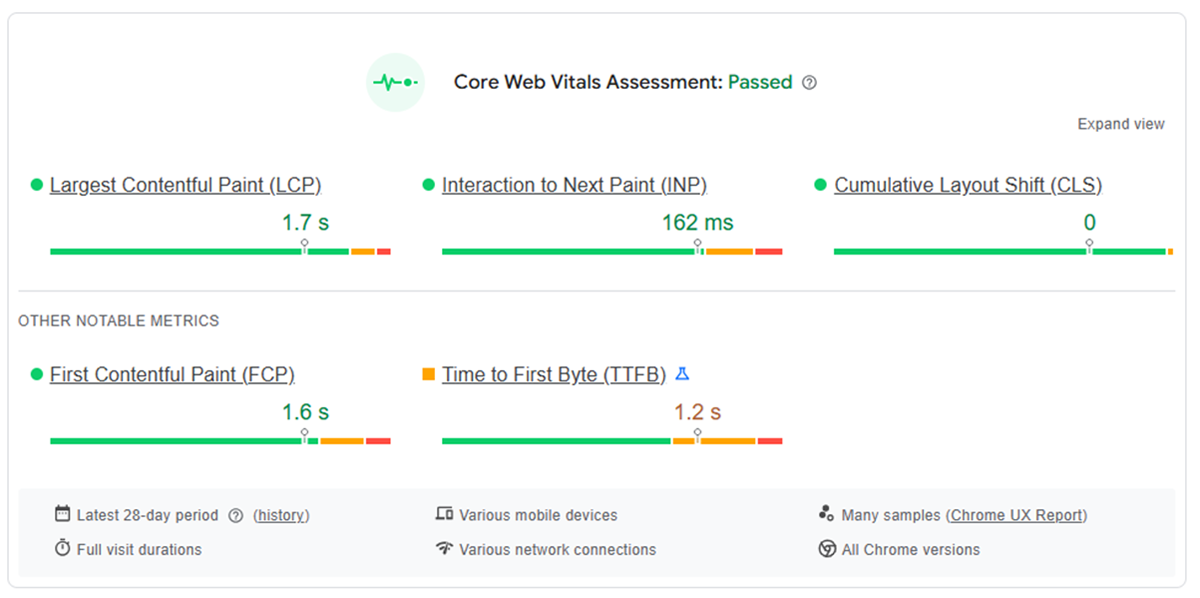
The website loads quickly and performs well on Core Web Vitals. Its quick loading times create a smooth user experience and help reduce bounce rates.
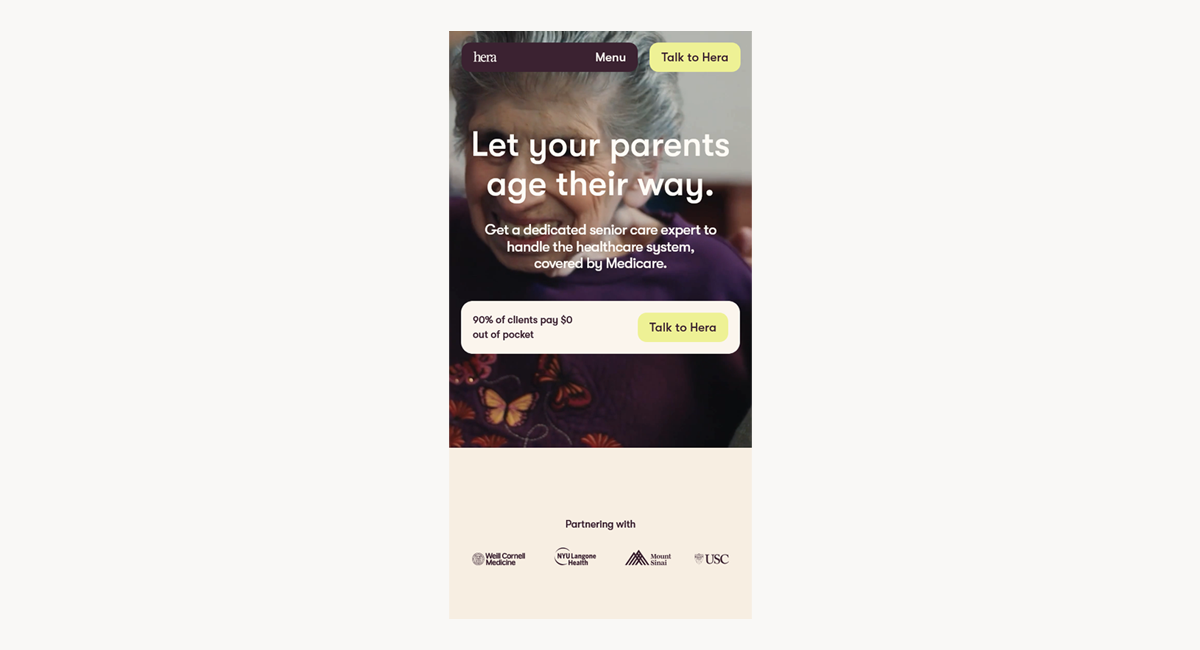
The website is fully responsive, providing a consistent experience across desktop, tablet, and mobile devices. Its layouts, text, and buttons adapt seamlessly to different screen sizes.

Hello Hera has a simple and intuitive navigation structure, with clear menus at the top and additional links in the footer. This makes it easy for users to find information and move through the website.
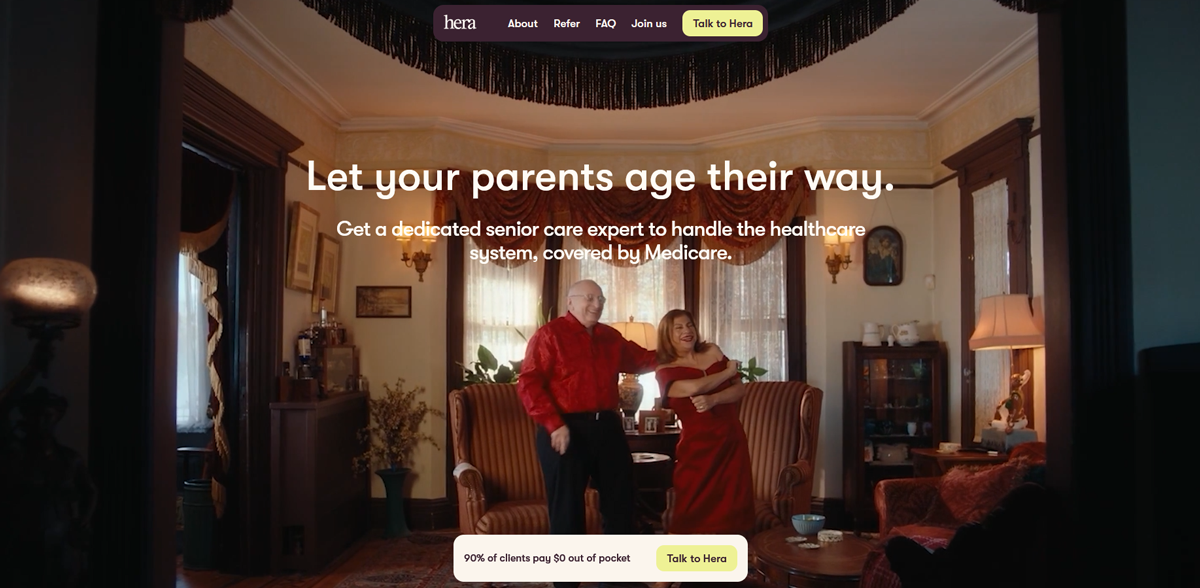
The website uses a combination of videos, high-quality imagery, clean typography, and generous spacing to create an engaging and trustworthy experience. These visual elements reinforce the brand’s focus on empathy and senior care.
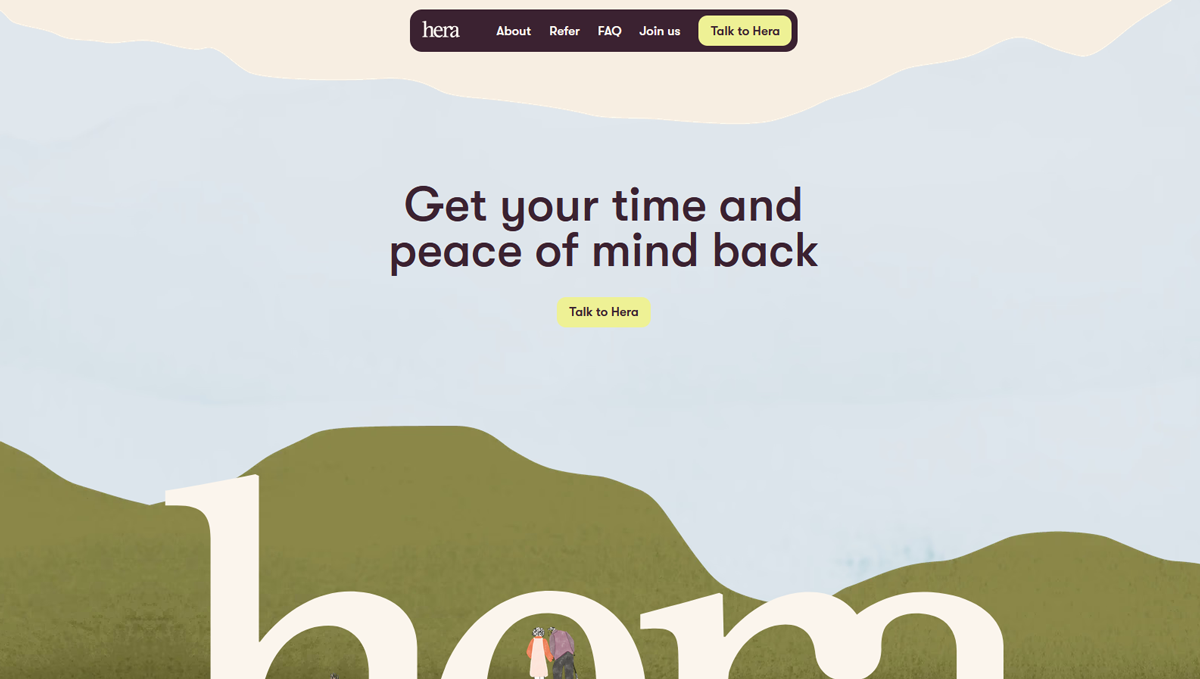
Calls to action are prominently displayed in a soft pastel green that naturally draws attention without overwhelming the page. The website guides users through a clear journey, making it easy to explore services and take the next step.
6. Image Optimization
Properly optimized images improve page speed, enhance accessibility, and help search engines understand the content of a page. The image optimization process involves:
- Compressing images to reduce file size
- Using modern image formats such as WebP
- Writing descriptive file names
- Adding relevant alt text
- Implementing responsive images for different devices
- Using appropriate image dimensions
• Modern Image Formats (WebP)
These include formats such as WebP that provide smaller file sizes compared to traditional formats like JPEG and PNG without compromising on visual quality. By reducing the amount of data that needs to be loaded, WebP images help improve page speed, enhance user experience, and support better SEO performance, especially on mobile devices and slower internet connections.
Happy Robot is a good example of effective image optimization.
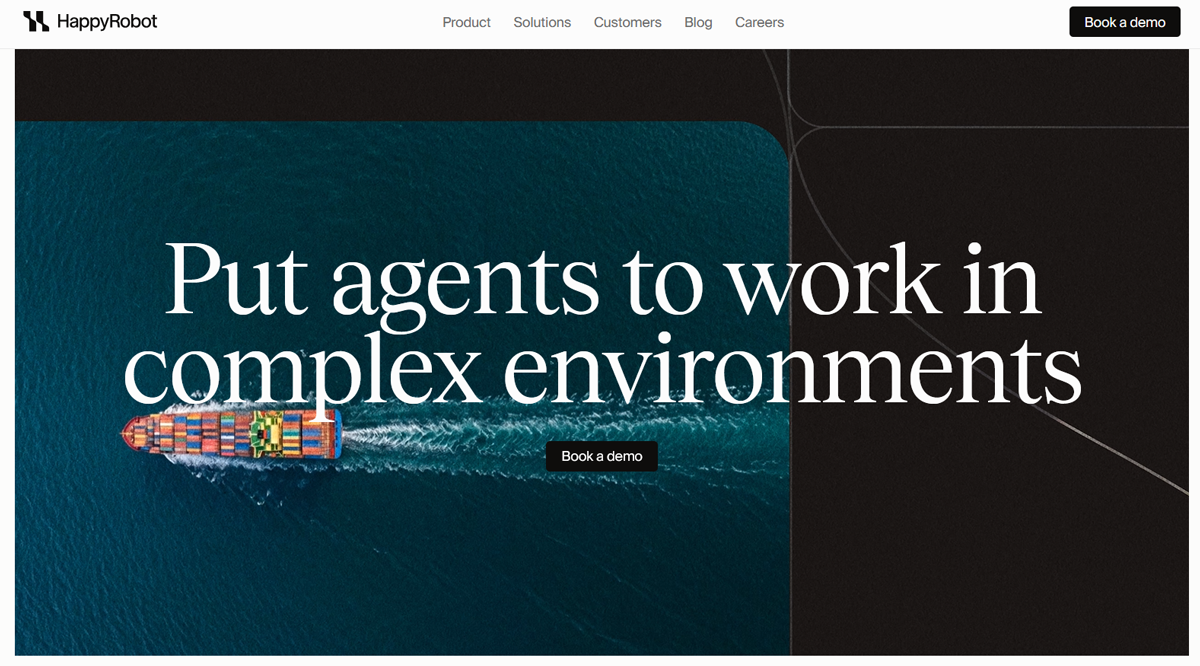
The website uses compressed, responsive images with descriptive alt text to improve accessibility and help search engines understand visual content.
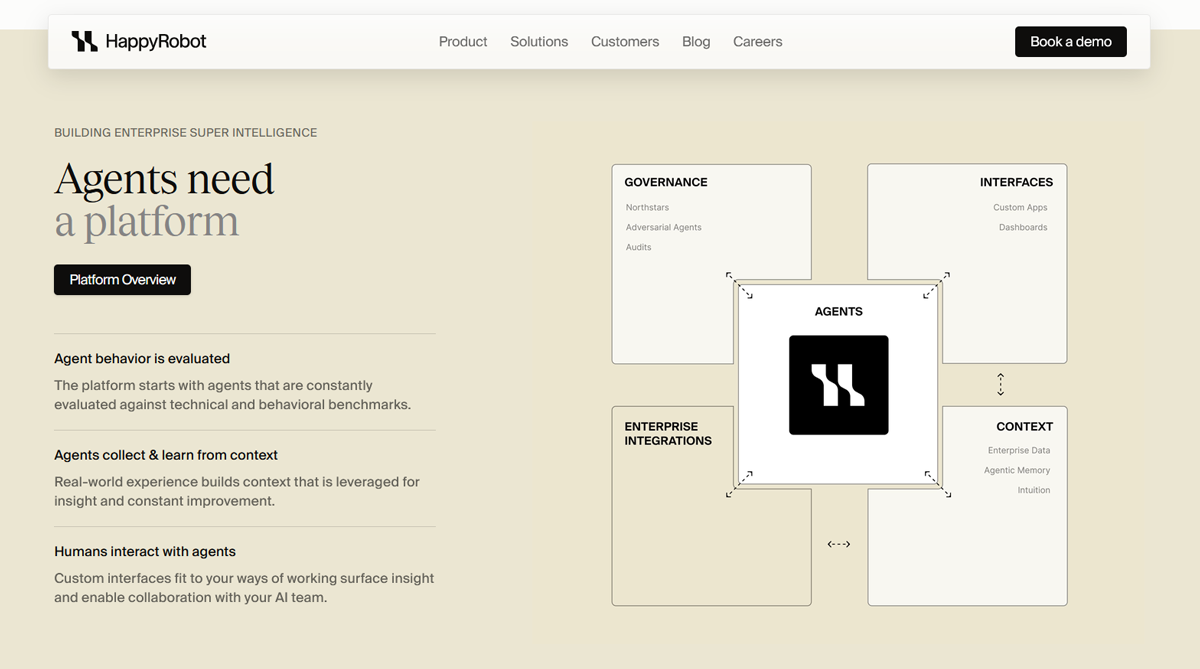
It also serves modern image formats, including WebP, which reduce file sizes while maintaining image quality, contributing to faster page loading and a better user experience.
7. Schema Markup / Structured Data
Schema (also called structured data) is a type of code added to your website that helps search engines better understand your content. Instead of just reading text, search engines can understand the meaning behind it. For instance, if a page is about a product, an article, a business, or an event.
When implemented correctly, schema markup can improve how your pages appear in search results by enabling rich results like star ratings, FAQs, product details, and more.
Some widely used schema types include:
- Article Schema – For blog posts and news content
- Product Schema – For ecommerce products, pricing, and reviews
- Organization Schema – For business details and branding
- Local Business Schema – For location-based businesses
- FAQ Schema – For question-and-answer sections
- Review Schema – For ratings and customer feedback
- Breadcrumb Schema – For site navigation structure
HappyFox is a good example of effectively implementing structured data.
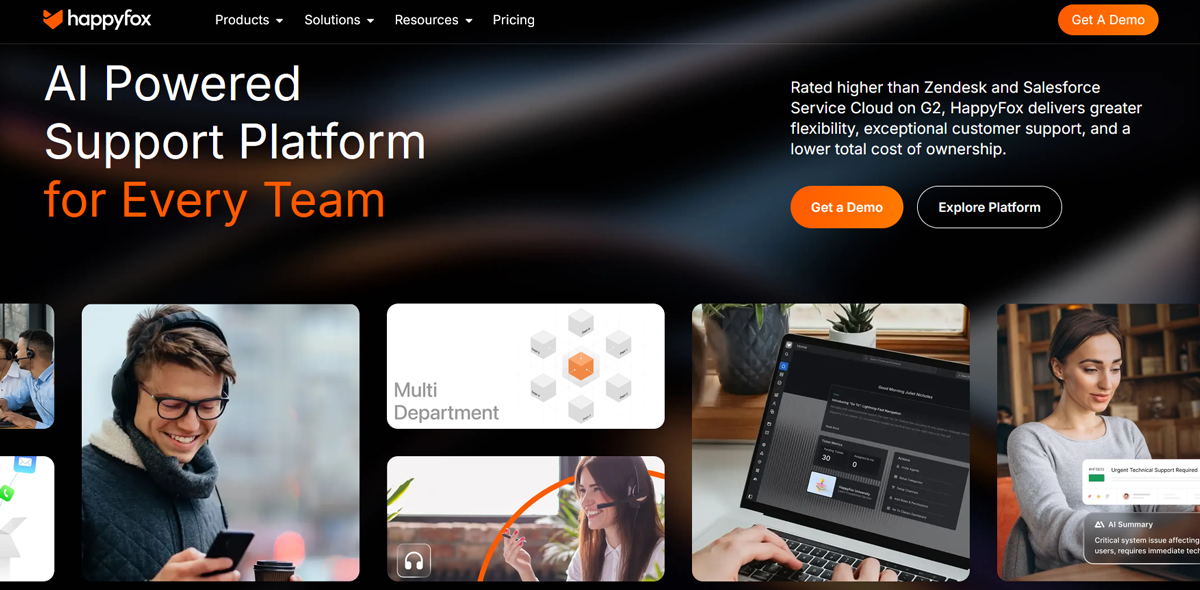
The website uses Organization Schema to provide search engines with clear information about the company, while its blog uses Article Schema to help search engines understand and index individual articles.
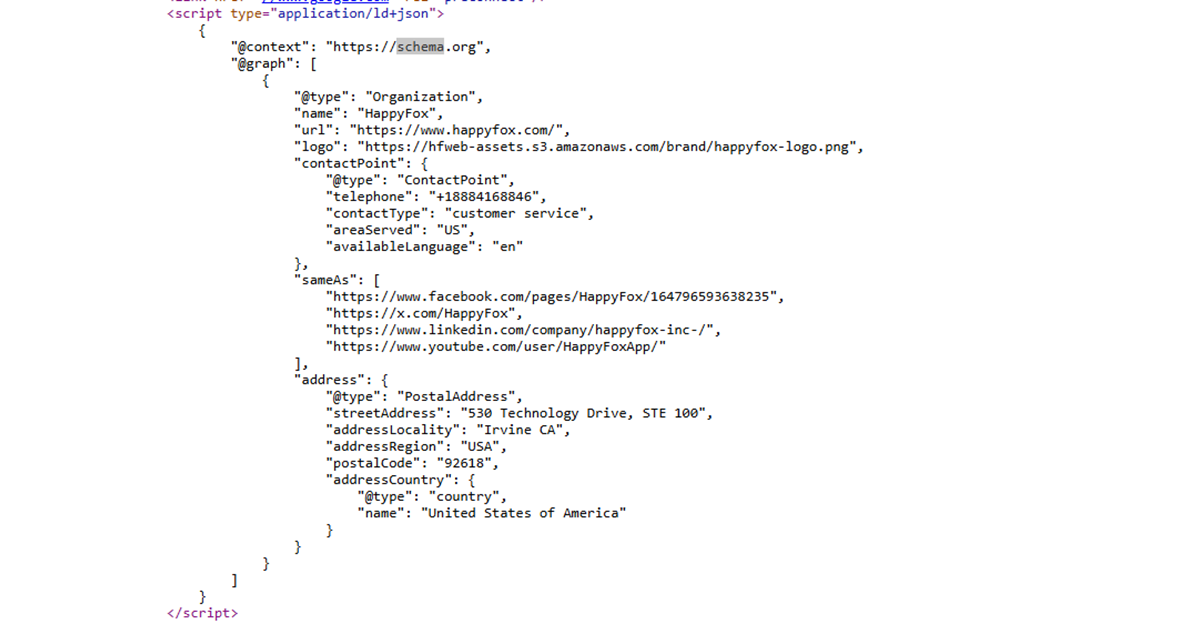
This structured data improves content visibility and increases the potential for improved search results.
8. Analytics and Tracking
These help measure the effectiveness of your SEO efforts and identify opportunities for improvement. By monitoring key performance metrics, businesses can make data-driven decisions and continuously optimize their websites.
Essential Analytics and SEO Tools
The following tools provide valuable insights into website performance, rankings, and search visibility:
| Tool | Purpose |
| Google Analytics | Tracks website traffic, user behavior, engagement, and conversions |
| Google Search Console | Monitors search performance, indexing status, and technical SEO issues |
| Ahrefs | Tracks keyword rankings, backlinks, competitor performance, and SEO opportunities |
| SEMrush | Provides keyword tracking, site audits, competitor analysis, and traffic insights |
| Moz Pro | Offers rank tracking, keyword research, and site optimization recommendations |
| Screaming Frog SEO Spider | Crawls websites to identify technical SEO issues and optimization opportunities |
| Google Looker Studio | Creates customizable SEO and marketing performance dashboards |
| Ubersuggest | Tracks rankings, keywords, backlinks, and competitor SEO performance |
| Bing Webmaster Tools | Monitors website performance and indexing within Bing search results |
• Key Metrics to Monitor
Regularly tracking these metrics can help evaluate SEO success:
- Organic traffic growth
- Keyword rankings
- Click-through rate (CTR)
- Bounce rate
- Average engagement time
- Conversion rates
- Search impressions
- Backlink growth
- Domain authority or domain rating
- Top-performing pages
- Indexed pages and crawl issues
Analytics provide insight into what’s working and what isn’t. By reviewing performance data regularly, businesses can improve content strategies, user experience, identify technical issues, and maximize return on investment.
Local vs. Nationwide vs. Global SEO: Which Strategy Is Right for Your Business?
Local, nationwide, and global SEO each target different geographic audiences. Local SEO focuses on attracting customers within a specific city or region through location-based optimization. Nationwide SEO targets users across an entire country with broader keywords and content, while global SEO expands visibility across multiple countries by optimizing for different languages, regions, and cultural preferences.
Which is right for your business depends on your company’s size, future growth, and the goals you set.
| SEO Type | Target Audience | Geographic Focus | Primary Goal | Example Keywords |
| Local SEO | Customers in a specific city or region | Local (city, suburb, or service area) | Increase visibility in local search results and attract nearby customers | dentist in Sydney, logo design company in New York, plumber near me |
| Nationwide SEO | Customers across a single country | National | Reach a broader audience and compete for country-wide searches | best accounting software Australia, home insurance UK, online furniture store USA |
| Global SEO | Customers in multiple countries | International | Expand visibility across global markets using multilingual and localized content | CRM software, project management tool, AI chatbot platform (optimized for multiple countries and languages) |
• Local SEO for Single-Location Businesses
Someone searching for "logo design company in New York" is looking for a service provider in a specific location. In these cases, search engines and AI overviews prioritize location-based results. They evaluate factors such as relevance, proximity, and trust, making strong local SEO signals essential for improving visibility in local search results across Google Search, Google Maps, and AI-powered search experiences.
- Google local search results
- Map listings
- ‘Near me’ searches
- Voice search queries
- AI-generated local recommendations
Local SEO makes it easier for businesses to gain advantages in both discoverability and credibility.
• Google Business Profile Optimization for Local and Multiple Locations
Google Business Profile (GBP) provides search engines and users with essential information about a business, including location, services, contact details, reviews, and operating hours. A fully optimized profile increases the chances of appearing in map results, local packs, and location-based searches across the nation.
Important optimization areas include:
- Accurate business information
- Consistent contact details
- Updated service descriptions
- High-quality images
- Business categories
- Customer reviews and responses
Keeping profiles active and up to date also demonstrates professionalism to both search engines and users.
• Global Keyword Research and Localized Content for Global Presence
For businesses targeting international markets, keyword research should reflect the languages, regions, and search behavior of each target audience. Create multilingual content and localized landing pages for specific countries or regions, using relevant local keywords to improve search visibility. This approach helps search engines understand your geographic relevance while providing users with content that feels more accurate and relevant to their location.
• Reviews and Online Reputation
Search engines assess both the quantity and quality of reviews when determining local rankings. Users also rely heavily on reviews before choosing a service or product from a business.
Responding to reviews also demonstrates engagement and professionalism. Businesses that actively manage their reputation build stronger authority within local markets.
Frost Bank is a strong example of a business using local SEO to target customers across a specific region, in this case, Texas.
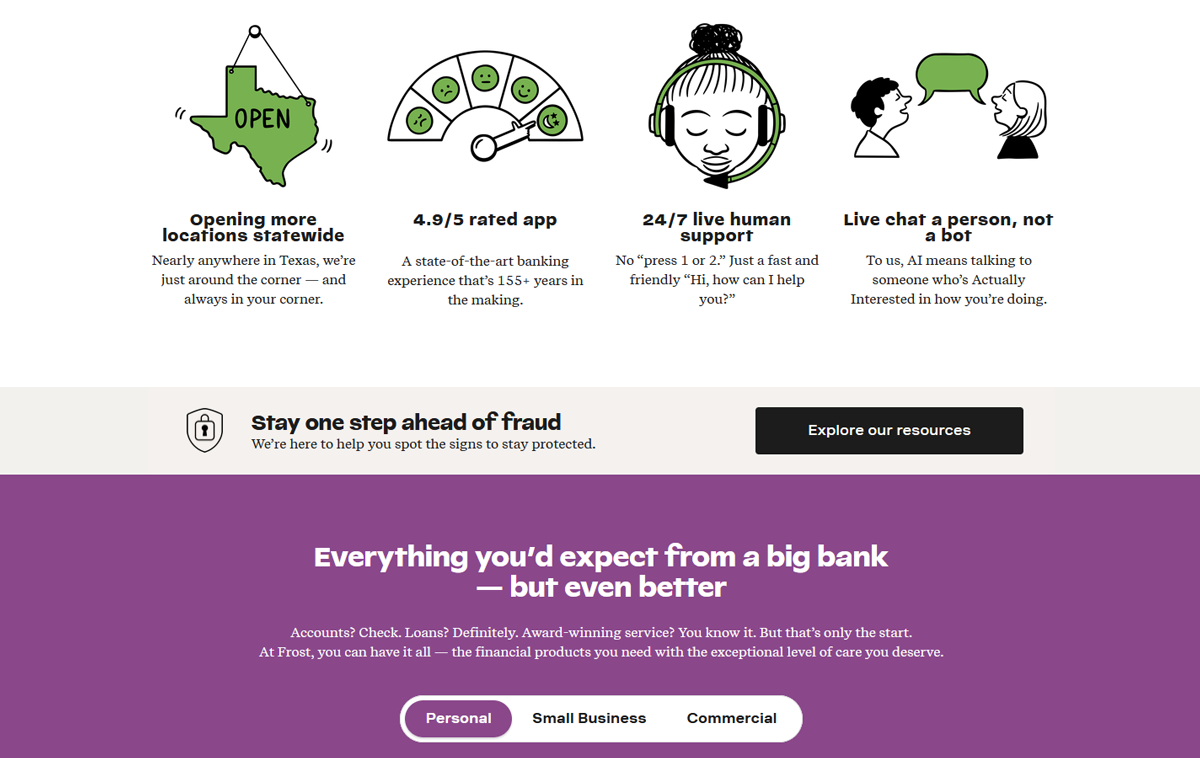
The website consistently mentions Texas in its content, reinforcing its geographic relevance and helping search engines understand its service area.
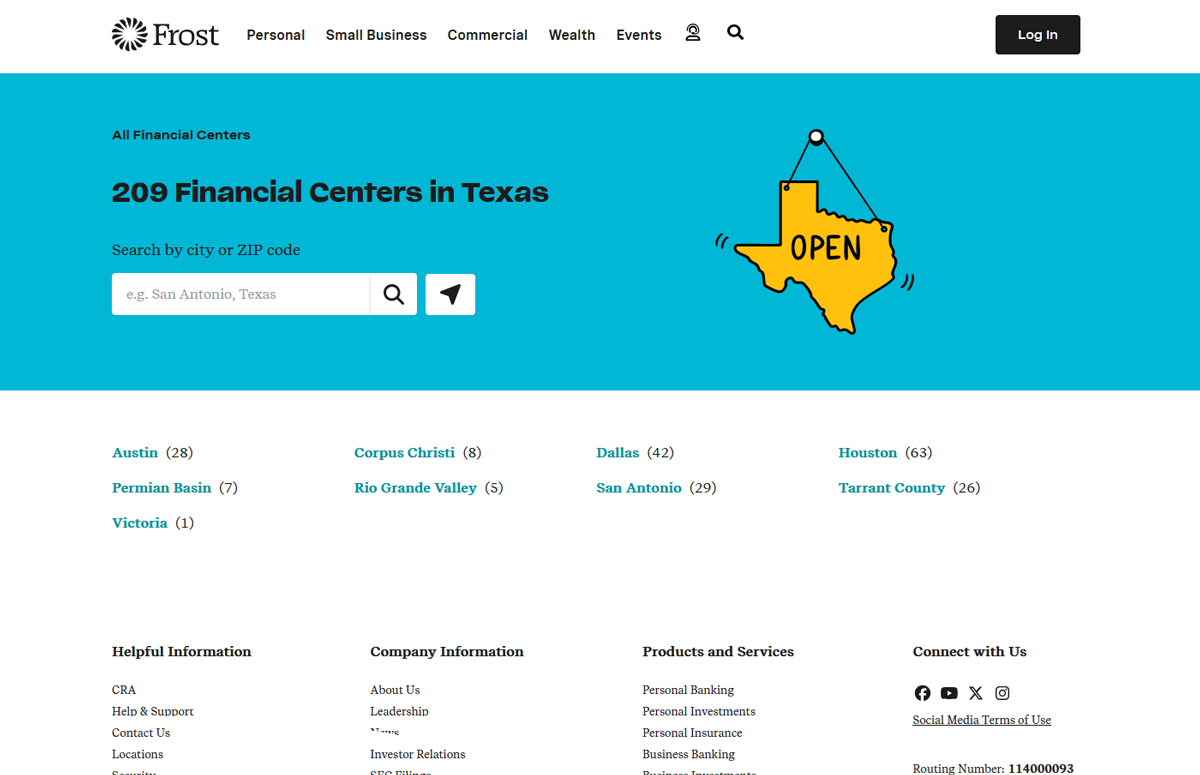
It also includes dedicated location pages for different cities such as Austin, Dallas, Houston, Corpus Christi, and San Antonio, allowing the bank to rank for city-specific searches.
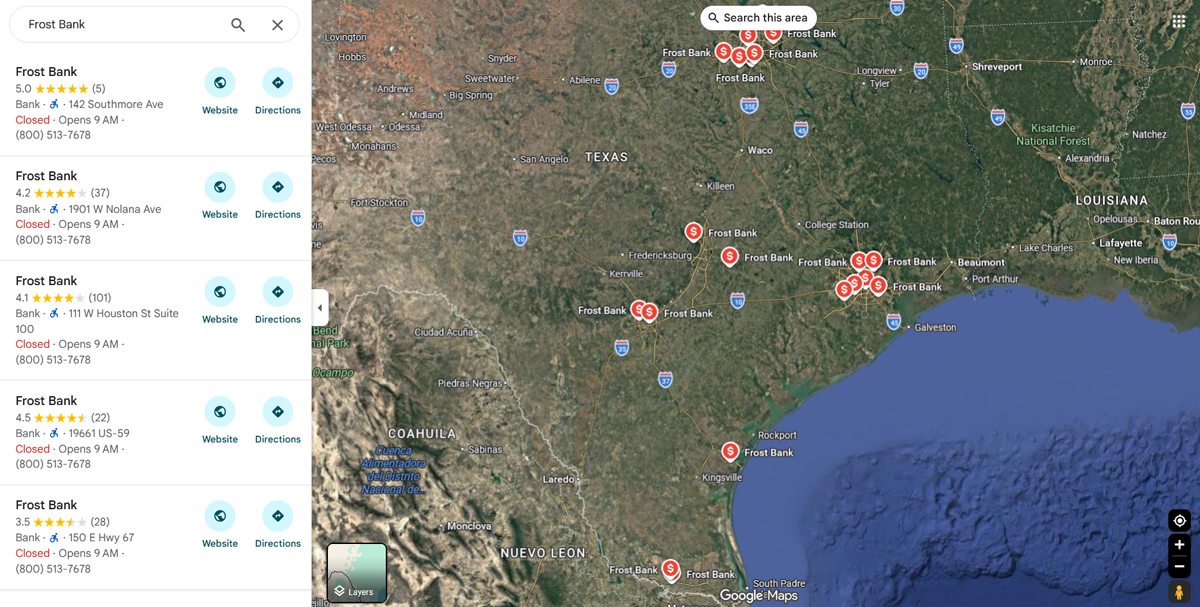
In addition, each branch is supported by Google Business Profile listings and appears on Google Maps with customer reviews, which further strengthens its local visibility and trust signals.
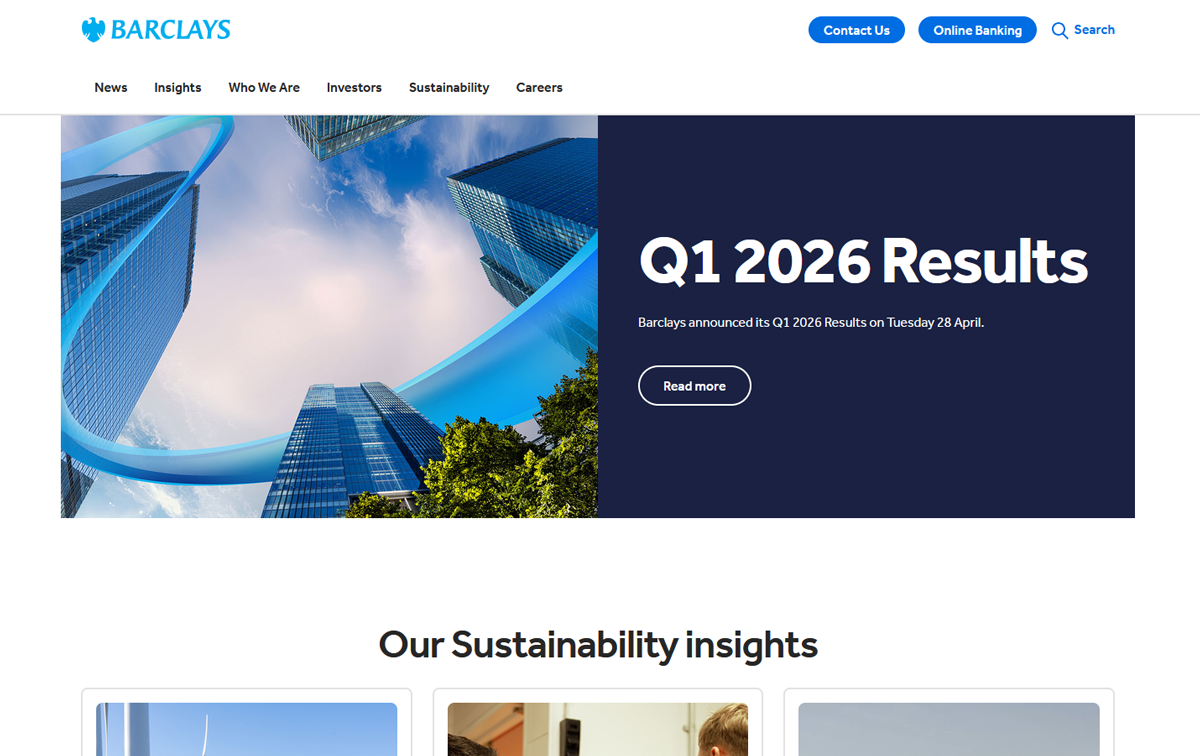
On the other hand, Barclays demonstrates a global SEO approach by focusing its main website on the overall brand, corporate information, and international presence rather than a single region.
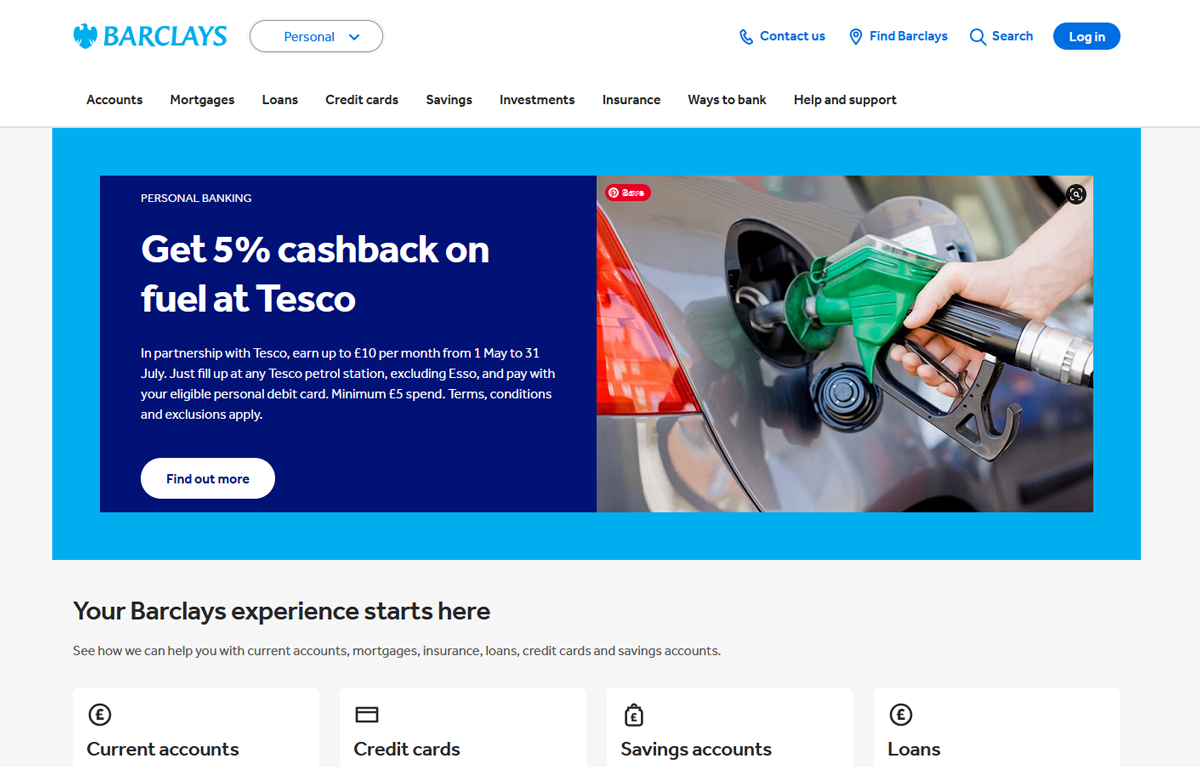
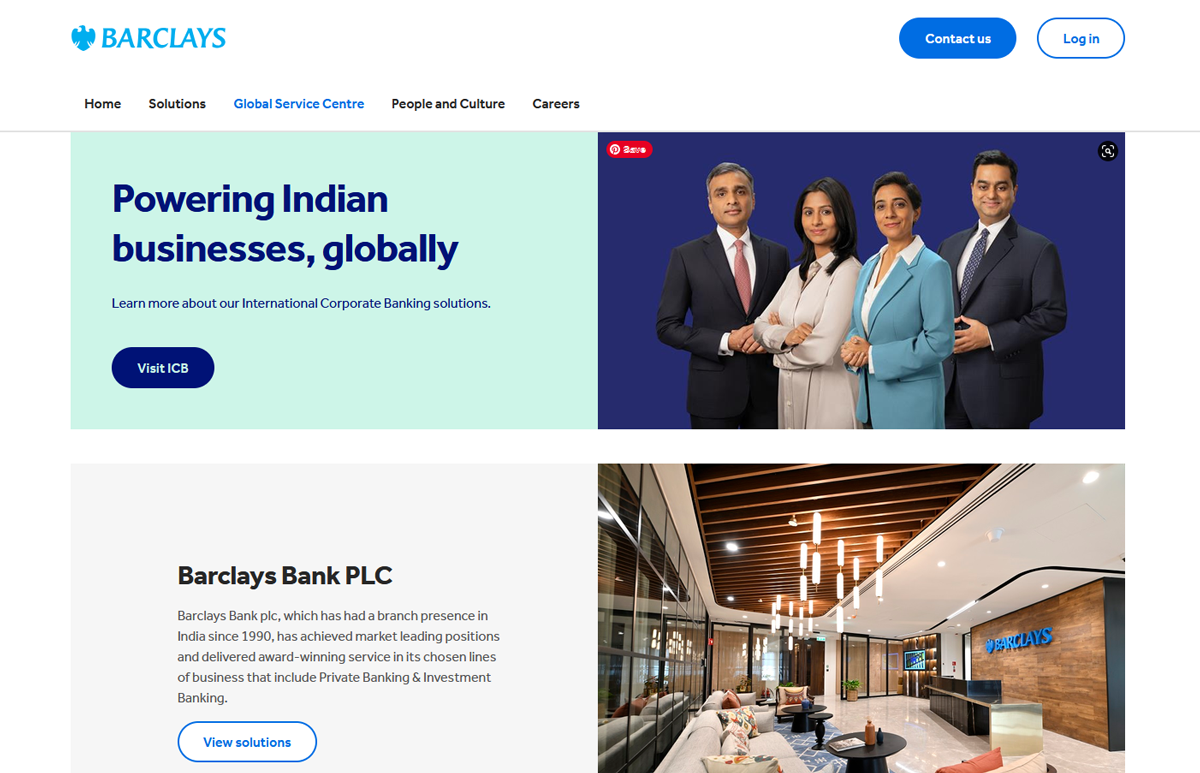
To serve different markets, Barclays uses country-specific websites such as barclays.co.uk for the UK and barclays.bank.in for India. These regional sites are tailored with localized content, services, and location signals that align with user expectations in each country. This structure allows Barclays to maintain a strong global presence while still optimizing effectively for local search in individual markets.
Paid vs. Organic Search
Paid and organic search are two key approaches for increasing visibility in search engine results, each working differently to attract traffic to a website.
Paid Search involves running advertisements, such as pay-per-click (PPC) campaigns, to appear at the top of search results for specific keywords. Businesses bid on relevant search terms to gain immediate visibility, making it an effective strategy for quickly driving traffic, generating leads, and promoting time-sensitive offers.
Organic Search focuses on improving a website’s content quality, structure, and authority to achieve higher rankings naturally over time. Instead of paying for placement, businesses earn visibility through strong SEO practices. While it takes longer to show results compared to paid search, it provides long-term, sustainable traffic and helps build trust, credibility, and a consistent online presence.
| Aspect | Paid Search | Organic Search |
| Definition | Search results that appear through paid advertising. | Search results that appear naturally based on relevance and SEO. |
| Cost | Advertisers pay for clicks, impressions, or conversions. | No direct payment is required for traffic. |
| Placement | Usually appears at the top or bottom of search results and is labeled as an ad. | Appears in the main search results below paid listings. |
| Speed of Results | Generates immediate visibility and traffic. | Takes time to build rankings and attract visitors. |
| Duration | Traffic stops when the advertising campaign ends. | Can continue generating traffic long after optimization efforts. |
| Trustworthiness | May be viewed as promotional content by users. | Often perceived as more credible and trustworthy. |
| Control | Advertisers have direct control over targeting and budget. | Rankings depend on search engine algorithms and SEO effectiveness. |
| Long-Term Value | Best for short-term goals and rapid exposure. | Better for sustainable, long-term growth. |
How to Optimize for SEO, AEO, and GEO: Step-by-Step
Content must rank in search engines, provide direct answers to users, and be structured in ways that AI systems can understand and reference. SEO, GEO, and AEO should not be considered independent aspects. The strategies for optimization have to look at the three together.
Businesses should follow a process that supports visibility across traditional search, answer engines, and generative AI platforms. The following steps can help you create content that performs effectively across the board.
Step 1: Start with Search Intent and Audience Questions
Identify the questions, problems, and goals behind a search query. SEO covers informational, navigational, or transactional intent, where users may ask ‘how,’ ‘what,’ or ‘best’ questions related to a topic. GEO/AEO is more about directly answering questions, where users ask concise, natural-language queries like ‘What is the best coffee shop in Brooklyn?’ or ‘The fastest way to learn Spanish.’
Analyze the combination of intent, phrasing, and regional context. Look at the top results such as blog posts, product pages, or featured snippets to see what’s visible. Check ‘People Also Search For sections and platforms like forums to identify common question patterns, which are especially useful for AEO. It’s also a good idea to dive into Reddit or Quora discussions, as recommendations are commonly taken from those now too.
Step 2: Create Detailed, High-Quality Content
Search engines and AI systems favor content that thoroughly covers a topic. It needs to establish expertise and topical authority and also improve the likelihood of ranking for multiple related searches.
Well-developed content creates a stronger foundation for both SEO rankings and AI discoverability: Focus on these aspects:
- Answer primary user questions
- Address related subtopics
- Include examples and explanations
- Cover beginner and advanced information
- Provide practical value
Step 3: Structure Content for Easy Understanding
Information that is logically organized and easy to interpret is preferred for SEO, GEO, and AEO. Clear formatting improves readability, so you need to have descriptive H1, H2, and H3 headings. Break content into logical sections and use lists where possible.
Such content is easier for users to scan, easier for answer engines to extract, and easier for AI systems to summarize.
Step 4: Provide Direct Answers Early
AEO focuses heavily on delivering immediate value. When users ask questions, the system sources content that provides a clear response before expanding into detailed explanations. A strong approach is to place a concise answer directly beneath question-based headings and then elaborate further throughout the section.
Direct answers create a balance between satisfying immediate information needs and providing deeper educational content.
Step 5: Use Entity-Rich and Contextual Content
Generative AI systems mostly need context to understand information. Highlight important concepts, brands, tools, products, and topics and also explain how they relate to one another. For example, instead of mentioning ‘branding’ generally, content can discuss the following:
- Logo design
- Brand identity
- Typography
- Color psychology
- Visual consistency
This additional context helps AI systems build stronger connections and better understand the subject matter.
Step 6: Use Content Formats that Support AEO and GEO
Certain content formats perform particularly well for answer engines and AI systems since they make information easier to process and present. Common high-performing formats include:
- Step-by-step tutorials
- Definitions and explanations
- Comparison content
- How-to guides
- Industry glossaries
These formats work well with the way users ask questions and how AI systems generate responses.
Step 7: Implement Structured Data and Schema Markup
Structured data helps search engines understand content more effectively and can improve visibility in rich search results. Schema markup provides additional context about content, making it easier for search systems to identify important information.
Keep in mind that it does not guarantee top placement in rankings but can improve how content is considered across search and answer platforms.
Step 8: Focus on Timeless Value and Continuous Updates
Evergreen content continues attracting traffic and authority long after publication. Regular updates help maintain freshness and make sure that information remains reliable.
Update statistics and examples and refresh outdated information. Audit your content to incorporate new industry developments and expand its depth. Work on internal linking for long-term content maintenance. All of this helps preserve visibility across SEO, AEO, and GEO.
The Future of Search
The future of search is being shaped by artificial intelligence, conversational interfaces, and increasingly personalized results. Instead of relying only on traditional ranking systems, visibility is now expanding across AI-powered answers, search engines, and recommendation systems.
As a result, businesses need to optimize not just for keywords but also for being understood, trusted, and cited by AI systems.
1. AI-First Search Experiences
AI-driven search experiences are becoming a core part of how users receive information. Modern search engines increasingly use generative AI to summarize content, synthesize multiple sources, and deliver direct answers rather than just listing links.
This shift means visibility is no longer only about ranking in search results but also about being included in AI-generated responses and trusted as a reliable source. Industry research suggests that a growing share of queries now include AI-generated overviews, especially for informational searches, reducing the need for users to click through to websites.
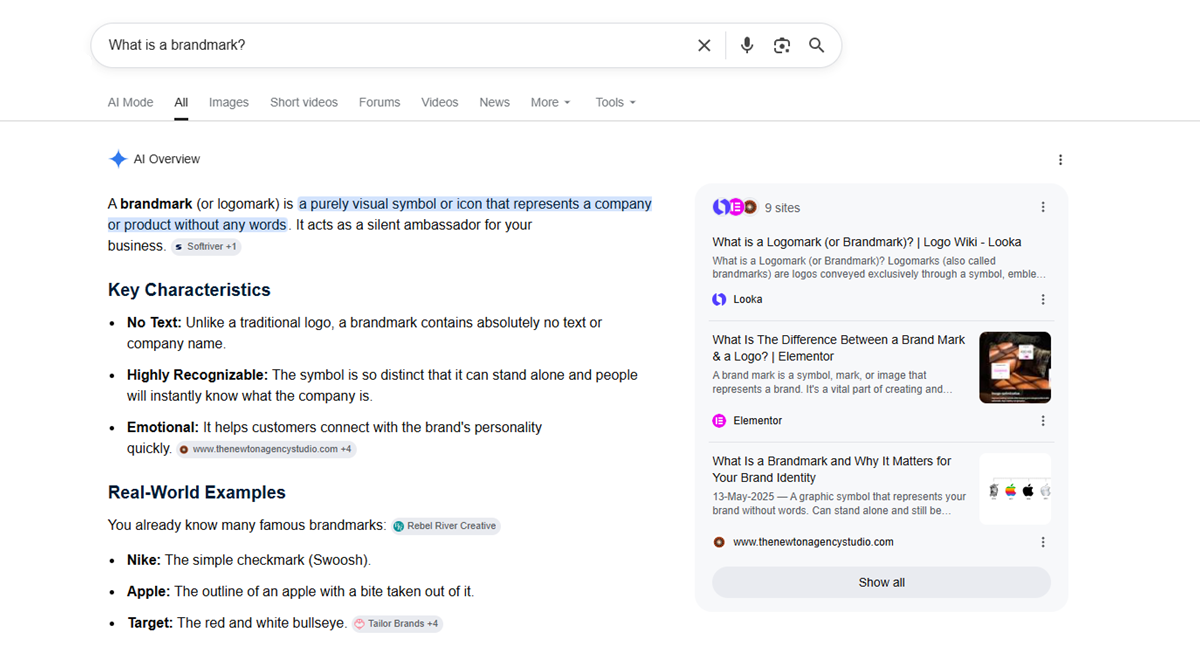
For example, when a user searches a definition-style query such as “what is a brandmark,” search engines like Google often display an AI-generated overview at the top of the results. Instead of relying on users to click through multiple websites, the system synthesises information from several authoritative sources and presents a concise, direct answer. These summaries typically also include citations or links to supporting pages, allowing users to explore the original sources if they need more detail.
2. Zero-Click Searches
Zero-click searches continue to grow as search engines provide answers directly on the results page through featured snippets, knowledge panels, local packs, and AI summaries. Studies over recent years have shown that more than half of Google searches end without a click, highlighting a major shift in user behavior.
This makes it increasingly important for businesses to optimize content for direct answers, structured data, and entity-based relevance so they remain visible even without website visits.
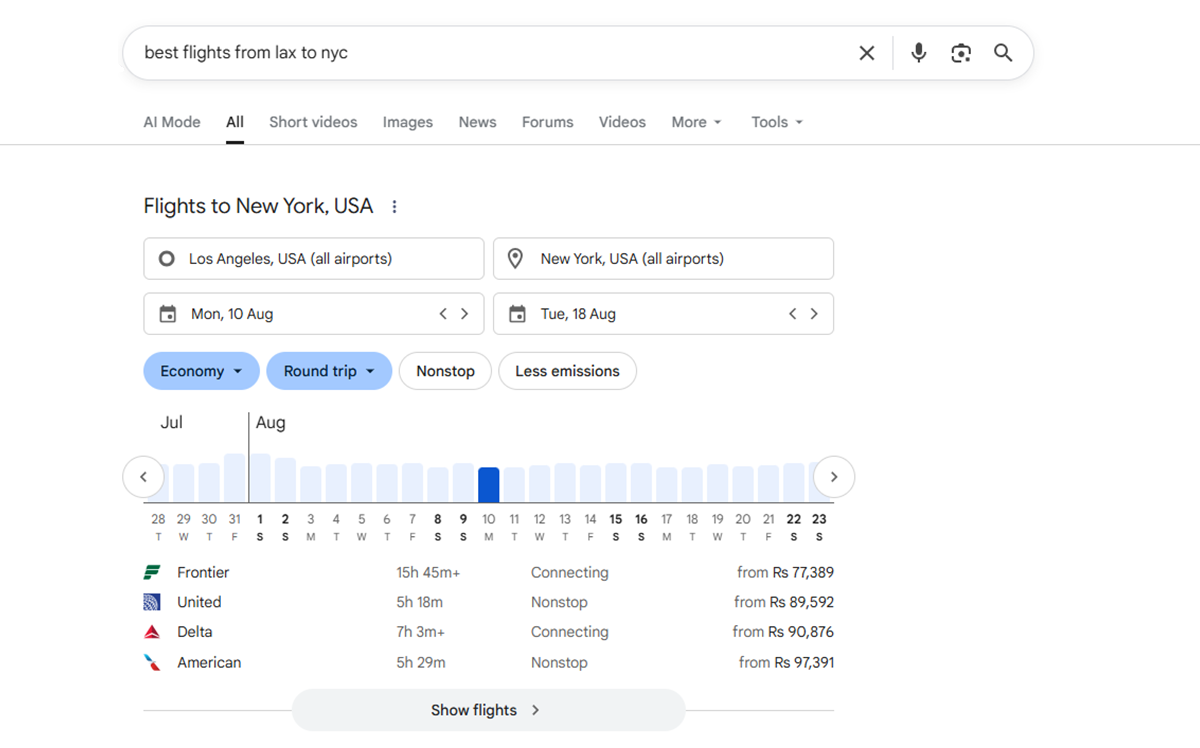
For example, when a user searches for a query like “best flights from LAX to NYC,” search engines may display a direct results module showing flight options, timings, prices, and availability within the search page itself. Instead of sending users to multiple airline or travel websites, Google aggregates and presents this information in a structured format. This allows users to compare options and get answers instantly, without needing to click through to external pages.
3. Growth of Conversational Search
Search behavior is becoming more natural and conversational due to the rise of voice search and AI assistants. Instead of short keyword-based queries, users now ask full questions or describe their needs in detail. This shift is driven by tools like mobile voice assistants such as Gemini and chat-based AI systems, which encourage more human-like interactions.
As a result, content that is structured around questions, intent, and clear explanations is becoming more valuable for visibility in both traditional and AI-driven search systems.
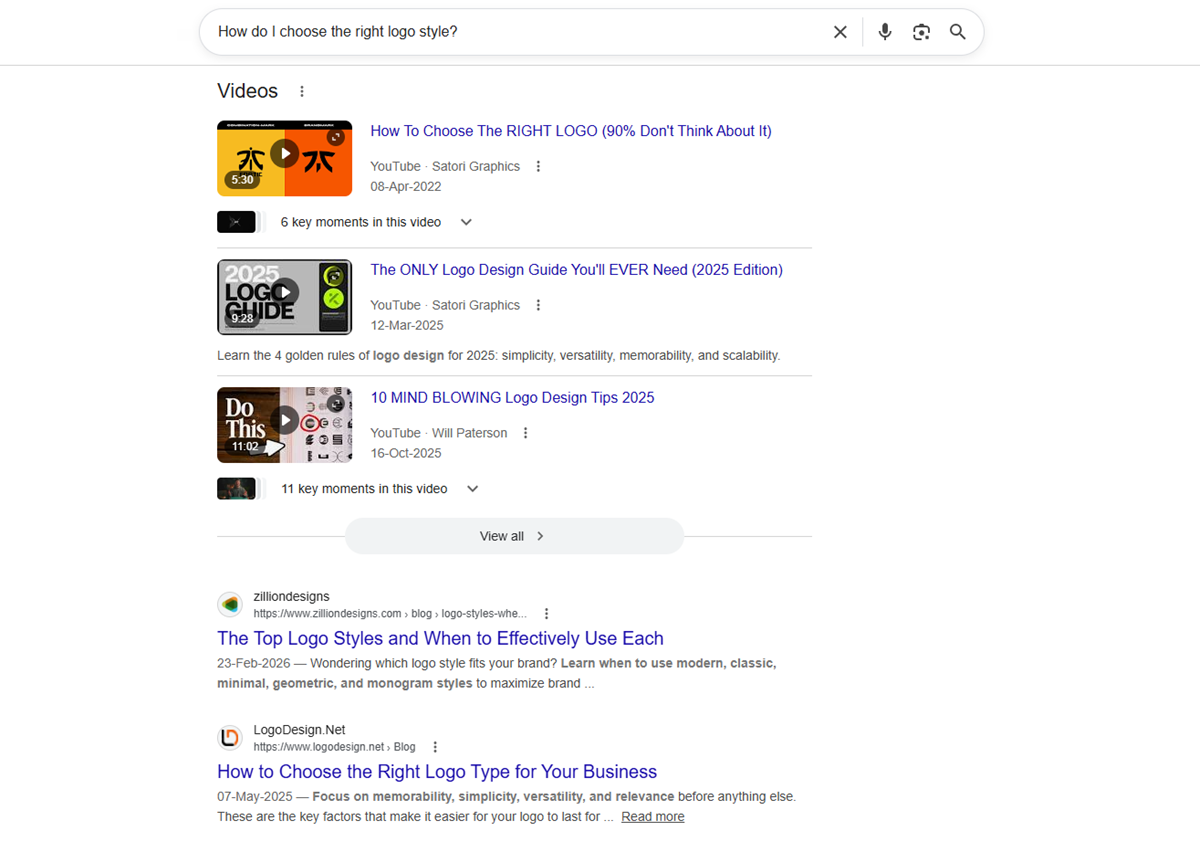
For example, instead of searching short phrases like “logo style” or “choosing logo style,” users are now more likely to ask full, conversational questions such as “How do I choose the right logo style for my business?" This reflects a broader shift toward natural language queries, in which people express their intent more clearly and contextually. As a result, search systems and AI assistants are better able to interpret user needs and deliver more precise, helpful responses.
4. Visual and Multimodal Search Expansion
Search is no longer limited to text. Users can now search using images, voice, and combinations of inputs via multimodal systems. Technologies like visual search and image recognition allow users to find products or information by uploading photos or screenshots. This trend is especially important for e-commerce, design, and lifestyle industries.
As multimodal AI systems improve, properly optimized visual content—including compressed images, descriptive alt text, and structured metadata—will play a larger role in discoverability.
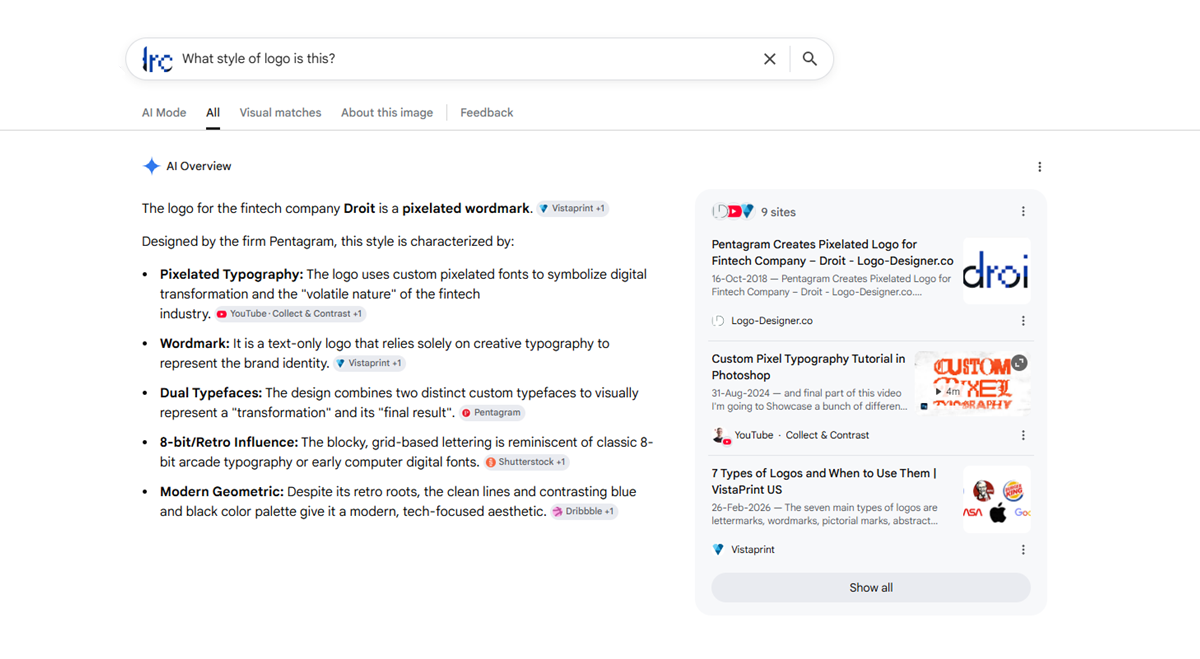
For example, users can upload an image to Google and ask a question about it, such as “What style of logo is this?” This is an example of multimodal search, where visual input (the logo) and text input (the question) are processed together to generate more accurate and context-aware results. As a result, search engines can analyze both the logo’s design elements and the user’s intent, making well-optimized visual content increasingly important for discoverability.
5. Shift from Ranking Pages to Being the Source
Search is gradually moving from ranking web pages to selecting trusted sources for direct answers. AI systems prioritize content that demonstrates authority, clarity, and consistency across topics. This means businesses that publish well-structured, accurate, and comprehensive information are more likely to be referenced in AI-generated responses and search summaries.
Over time, visibility will depend less on traditional rankings alone and more on whether a brand is recognized as a reliable information source across platforms.
Bottom Line
A holistic search strategy would cover all the aspects mentioned above and adapt quickly to updates. To make this work, focus on creating high-quality, user-focused content that demonstrates expertise first. This builds trust, improves SEO, and adds authority to your online presence as well.
It’s also important to use structured data effectively, addressing search intent at every stage of the customer journey. When you optimize for both human audiences and LLMs or AI overviews, you can easily gain an edge over your competitors today.
FAQs
1. What is the difference between AEO and GEO?
AEO (Answer Engine Optimization) helps content appear as direct answers in featured snippets, voice search, and answer boxes. GEO (Generative Engine Optimization) focuses on making content understandable and trustworthy enough for AI-powered platforms and generative search tools to reference.
2. Is SEO still important if AI search tools are becoming more popular?
Yes, SEO remains the foundation of online visibility because search engines continue to drive significant traffic. Businesses should complement SEO with AEO and GEO strategies to increase their chances of appearing in direct-answer results and AI-generated recommendations.
3. How can businesses optimize content for AI-generated search results?
Create authoritative, well-structured content that covers topics comprehensively. Use clear headings, provide factual information, build topical authority, and maintain consistent terminology. This makes content easier for AI systems to understand and reference.
4. How do design and user experience impact SEO, AEO, and GEO?
Good design improves readability, navigation, and overall user engagement. Fast-loading pages, mobile-friendly layouts, clear content structures, and strong visual hierarchy help search engines, answer engines, and LLMs better understand content. All this improves user experience as well.
5. How can Zillion Designs help improve my SEO, AEO, and GEO strategy?
We help businesses build a stronger online presence by combining website design, branding, content strategy, and search optimization best practices. From creating SEO-friendly websites and user-focused experiences to developing content structures that support AEO and GEO, the team helps brands improve visibility across traditional search engines, answer engines, and AI-powered discovery platforms.
Didn’t find what you were looking for? Browse our complete FAQ section.