Logo Design & Brand Identity Guide: Pricing, Briefs, Real Examples
A practical guide to choosing the right logo path, writing a brief that works, understanding pricing, and knowing what files/rights you actually need. Plus real examples.
When you use a professional logo design, you receive a primary mark, variations, an icon, color/typography, and production files you can use for marketing and sales assets. Pricing varies from a few hundred to a few thousand dollars, depending on scope, concepts, and revision rounds. You have options for the type of service. You can choose to start a contest (with multiple designers) or a 1-to-1 (custom refinement) with a designer. Request a brand kit if multiple teams/vendors will use your assets. You should receive vector (AI/EPS/SVG) and web (PNG/JPG) files, color/mono variants, and full rights on handoff.
How Logo Design Really Works
A solid logo is a system, not a single image. Expect:
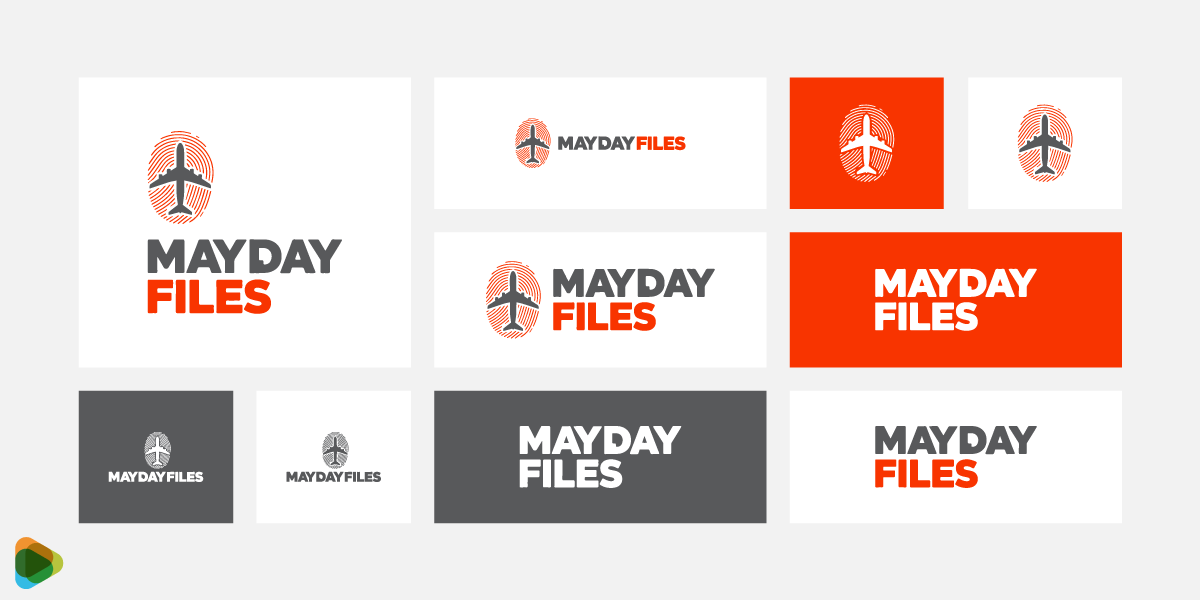
Logo variations for MayDay Files podcast logo
- Primary mark + variations (horizontal/stacked/icon)
- Icon/symbol for app/avatar/favicons
- Typography pairing (primary/secondary)
- Color system (full, mono, inverse; RGB/CMYK)
- Files for web/print/signage and usage basics
Logo Design vs Brand Identity
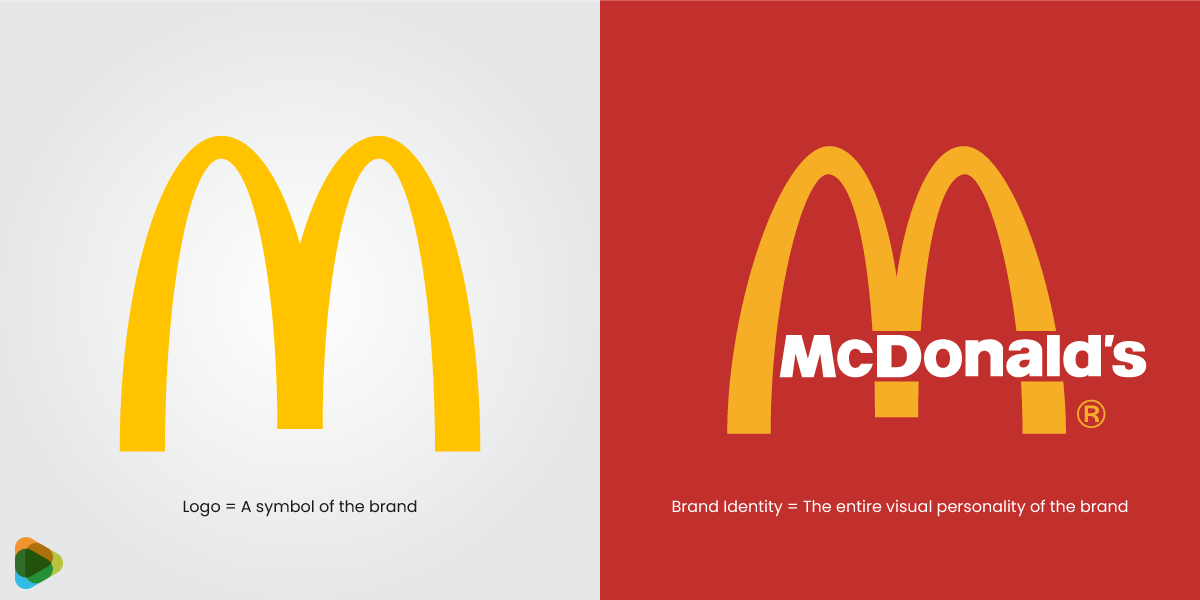
side-by-side of McDonald’s logo vs. brand identity
- You utilize a logo only for MVPs/solos needing speed.
- Opt for a Mini brand kit for social, web, and basic print consistency.
- Full brand system add guidelines, mockups, and scalability (sub-brands, product lines, multi-region).
Core Logo Design Deliverables
- Primary Logo – Main full logo version (standard layout).
- Secondary Logo / Alternate Logo – Alternative layout for flexibility
- Submark / Icon – Simplified symbol or badge version of the logo
- Logo Variations –
- File Formats – Vector and raster formats (AI, EPS, SVG, PNG, JPG, PDF)
- Color and Typography Usage – Type of fonts, brand colors
- Brand Style Guidelines – use of logo, colors, fonts, and spacing
- Multiple Creative Concepts – review multiple design concepts
- Trademark – Full ownership transfer
You should receive editable source (AI/EPS), scalable vector (SVG/EPS), and web files (PNG/JPG). Include color/mono/inverse versions and layout lockups. RGB is for screens, CMYK for print. Ask for a usage note on spacing/backgrounds and an icon version for small sizes.
Contest vs. 1-to-1: Choose by Outcome
| You want… | Pick… | Why |
| Many directions to compare | Contest | Side-by-side concepts, fixed budget |
| Fast refinement of a clear vision | 1-to-1 | Direct collaboration, fewer rounds |
| A consistent system and strategy | Agency-style | Discovery, guidelines, multi-touch use |
Start with AI Matching to preview directions, then decide between contest vs. 1-to-1.
Key Elements in Brand Identity
- Brand Style Guidelines
- Scalable Identity Systems
- Multiple Creative Concepts
- Originality and Growth
Brand Style Guidelines
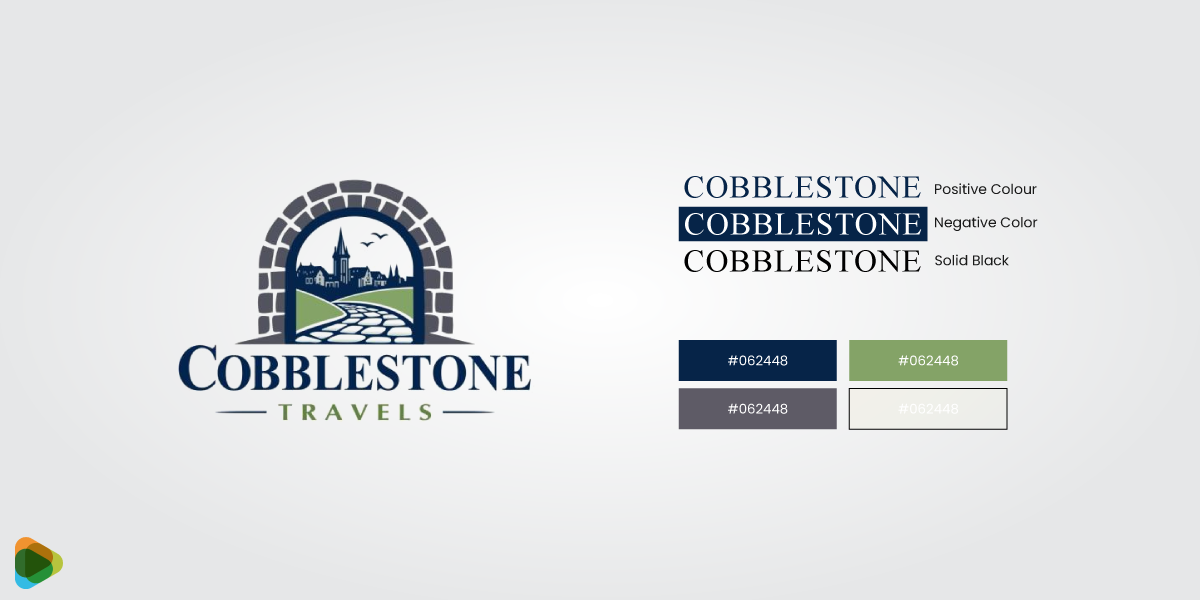
Cobblestone Travels Logo, Color Palette and Typography
More advanced logo services extend into brand identity guidelines that define how the logo, colors, fonts, and spacing should be used.
Scalable Identity Systems
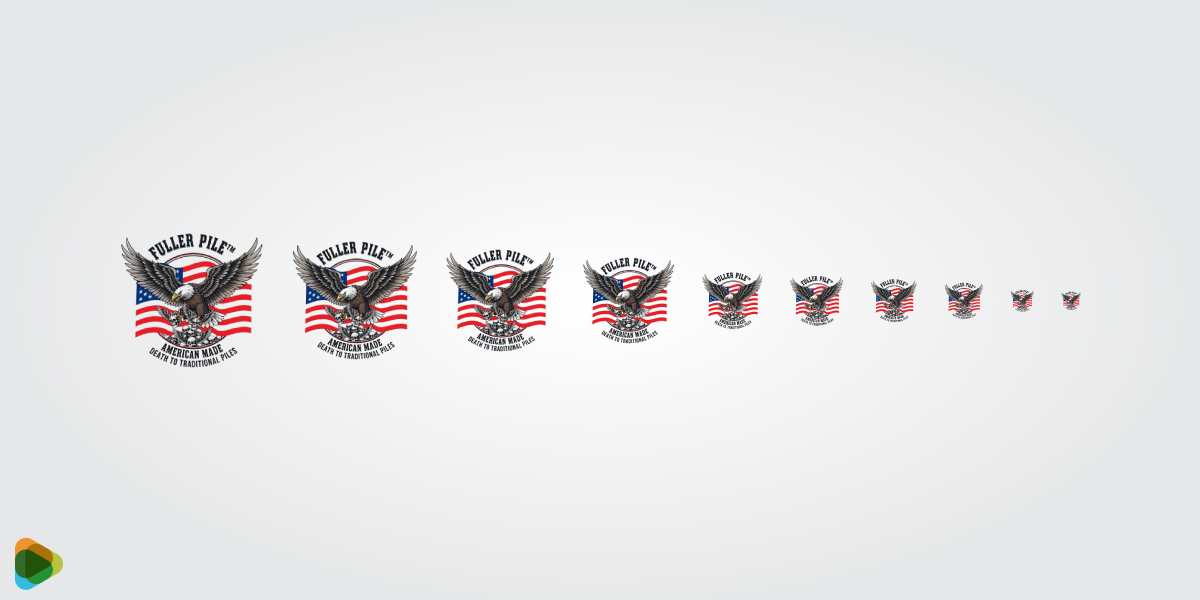
Scalable variations of Fuller Pile Logo
Instead of designing just for today, professional logo services account for future needs such as sub-brands, product lines, or international expansion. r.
Multiple Creative Concepts
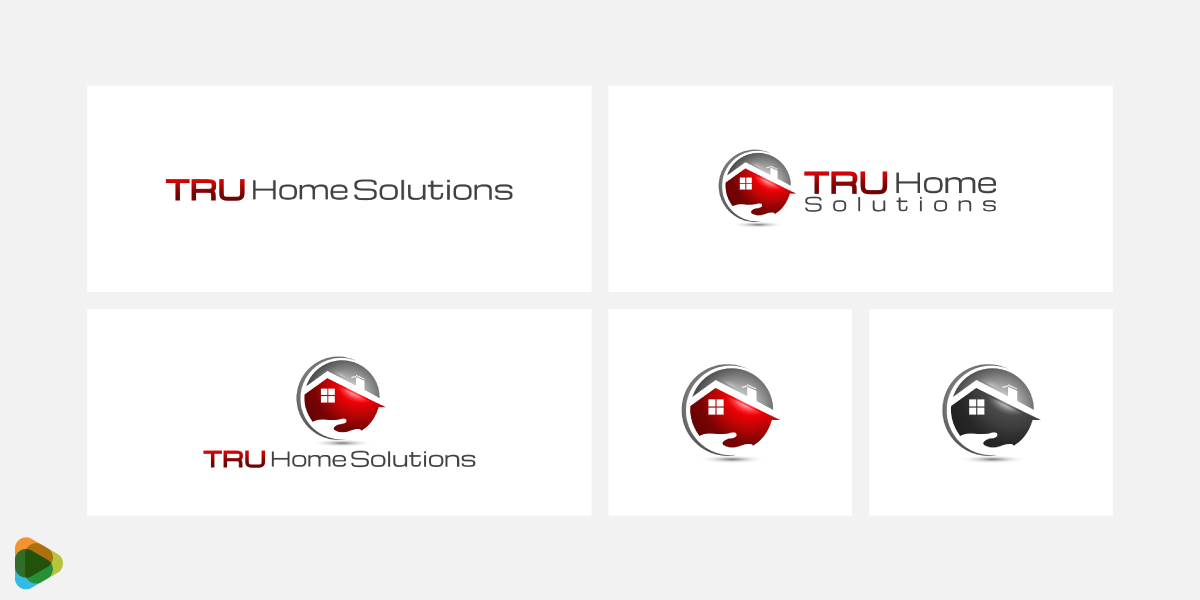
Concepts of TruHome Solutions Logo
Unlike one-designer workflows, platforms like ZillionDesigns allow clients to review multiple design concepts at once. This exposes different interpretations of the brief.
Structured Revisions and Refinement
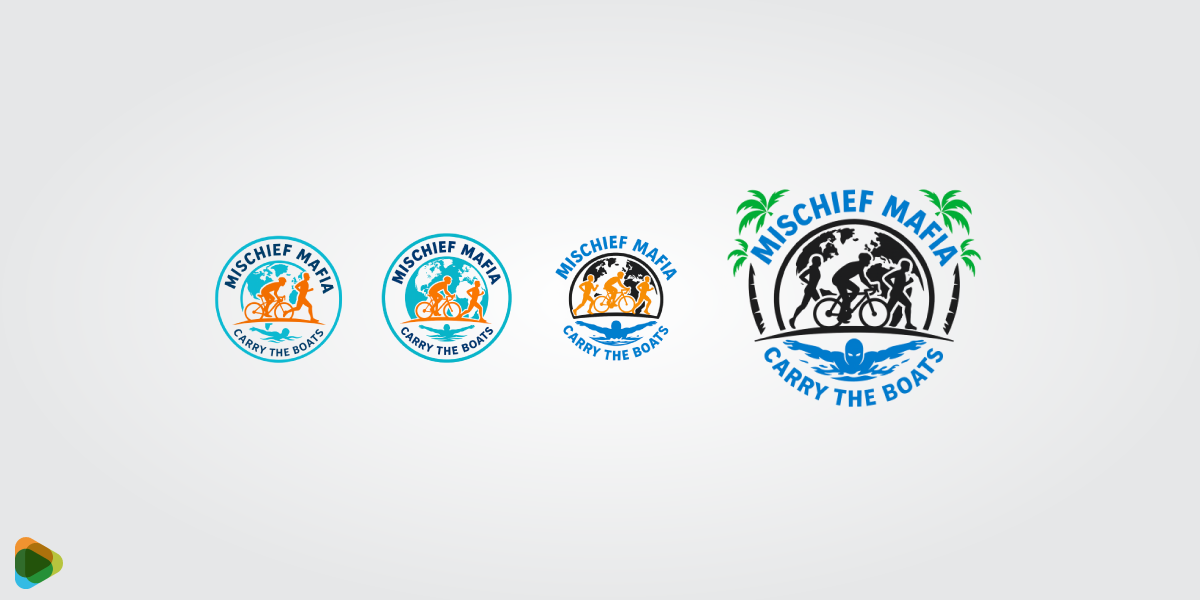
Logo variations for Mischief Mafia Illustrative Logo
Professional logo services include stages of improvement in which feedback is incorporated strategically.
Originality and Growth
While trademarking is a legal process, professionally designed logos are created with originality and distinctiveness in mind.
Clear Briefs for Brand Identity
- Business goal & audience (who it’s for, who it is not for)
- Positioning & competitors to avoid
- Tone (e.g., modern, not cold; confident, not corporate)
- Usage (web, social, signage, packaging)
- Must-haves / must-nots (colors, symbols, legal constraints)
Basic vs Advanced Logo Design Services
| Feature / Deliverable | Basic Logo Package (Starter) | Advanced Logo Package (Professional / Premium) |
| Design Concepts | Limited number of initial logo concepts | Multiple logo concepts from a wider pool of designers |
| Creative Direction | Focused on core brand idea and brief essentials | Strategic exploration of brand personality, positioning, and audience |
| Primary Logo | One finalized primary logo | One refined primary logo with deeper conceptual development |
| Logo Variations | Basic layout options (e.g., horizontal or stacked) | Full logo system: horizontal, vertical, stacked, and icon versions |
| Icon / Symbol Version | May be included as a simplified mark | Dedicated icon or symbol designed for apps, avatars, and favicons |
| Typography Selection | Font choice aligned with logo aesthetics | Primary and secondary typography defined for brand consistency |
| Color Palette | Core brand colors | Expanded color system including monochrome, grayscale, and inversions |
| File Formats Delivered | Standard raster + vector files (PNG, JPG, AI/EPS) | Full production-ready suite: AI, EPS, SVG, PNG, PDF, JPG |
| Print and Digital Optimization | General-use files | Separate files optimized for print (CMYK) and digital (RGB) |
| Scalability Planning | Logo designed to scale, minimal testing | Extensive scalability testing across digital, print, and large formats |
| Brand Guidelines | Not included | Mini or full brand style guide included |
| Revision Rounds | Limited revisions | Extended revisions for refinement and precision |
| Designer Pool Access | Smaller design pool | Broader, more experienced designer participation |
| Ownership & Rights | Full ownership upon finalization | Full ownership + readiness for trademark and long-term brand use |
| Best For | Startups, small businesses, early-stage brands | Growing businesses, funded startups, long-term brands |
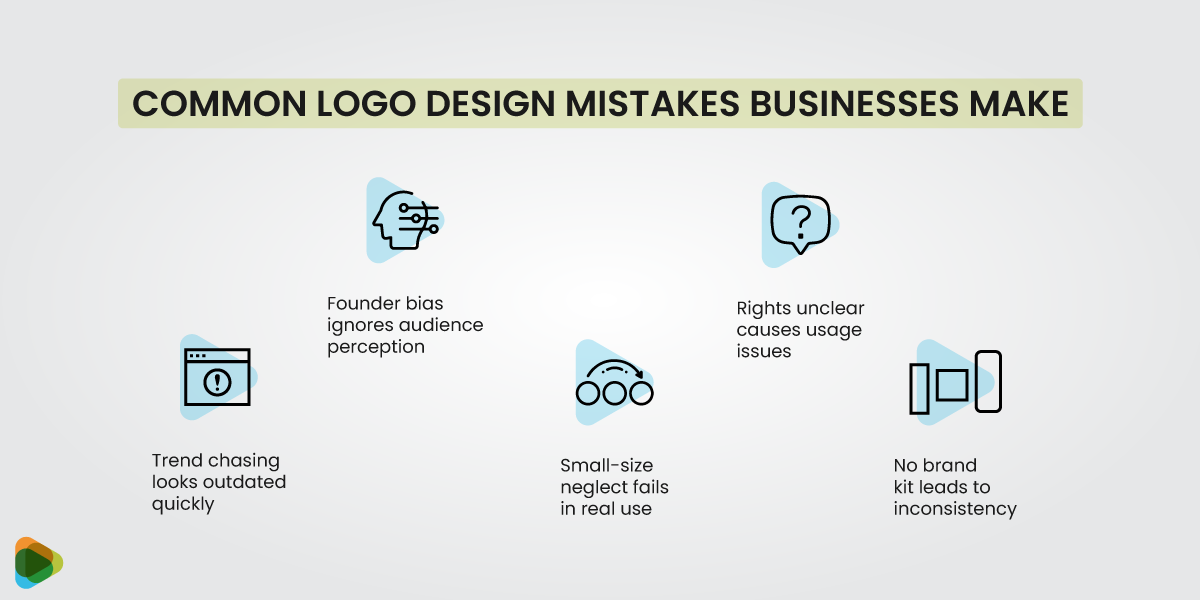
Infographic for Logo Design Mistakes
- Trend chasing: What looks modern today can feel outdated in two years. Logos designed to follow visual trends can compromise longevity for short-term appeal,
- Designing for founder taste: Founders do favor styles they personally like and a logo must appeal to the target market, not the decision-maker’s preferences.
- Ignoring small sizes/mono use: Logos may look great on a designer’s screen but fail when scaled down for mobile or placed on complex backgrounds.
- Rights ambiguity: Businesses sometimes choose the cheapest option available, treating logo design as a box to check rather than a strategic investment.
- No brand kit: A strong logo needs to focus on brand positioning, market differentiation, customer psychology and competitive context.
Why a Logo Contest Is a Smarter Way to Design
- Broader creative exploration without longer timelines
- Reduced risk of creative bias from a single designer’s style
- Stronger decision-making through side-by-side comparisons
- Greater confidence in the final logo choice
A logo contest brings together multiple professional designers working from the same brief. Each approaches the challenge differently, offering unique styles, concepts, and strategic interpretations.
How it Works on ZillionDesigns?
No matter if you want broad creative exploration, direct collaboration, or a full-service agency experience, the process is built to move you from uncertainty to clarity.
Pick Your Path: Contest, 1-on-1, or Agency
ZillionDesigns allows clients to choose the engagement model that best fits their goals, timeline, and level of involvement.
1. Contest-Based Design
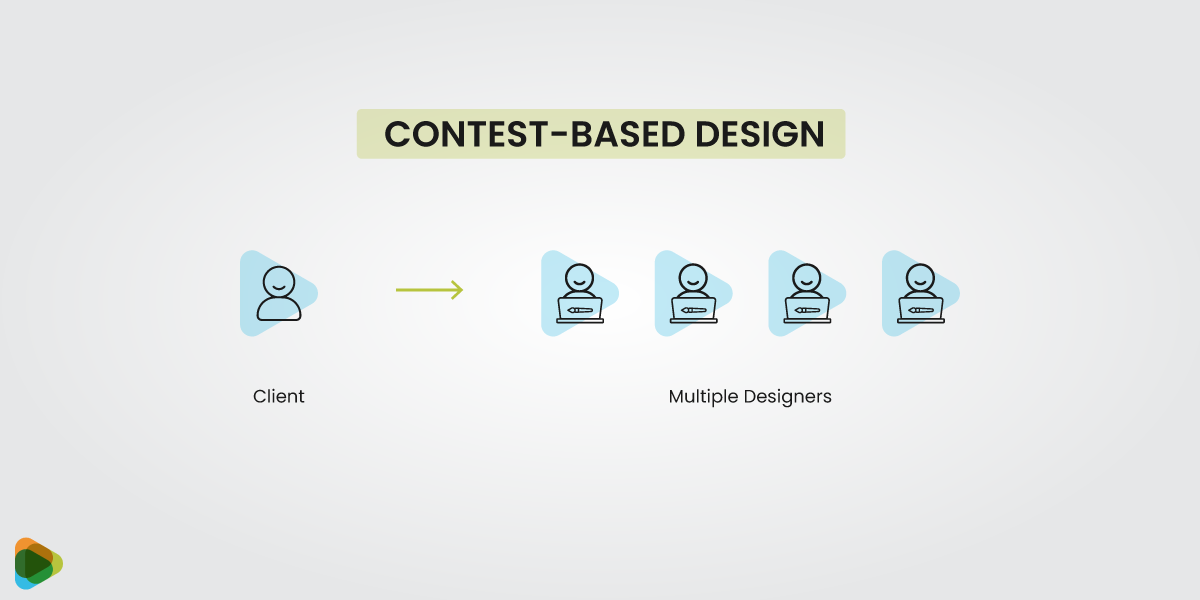
Contest format from client to multiple designers
You launch a contest by submitting a detailed brief, and multiple professional designers submit original logo concepts based on your requirements.
2. 1-on-1 Designer Collaboration
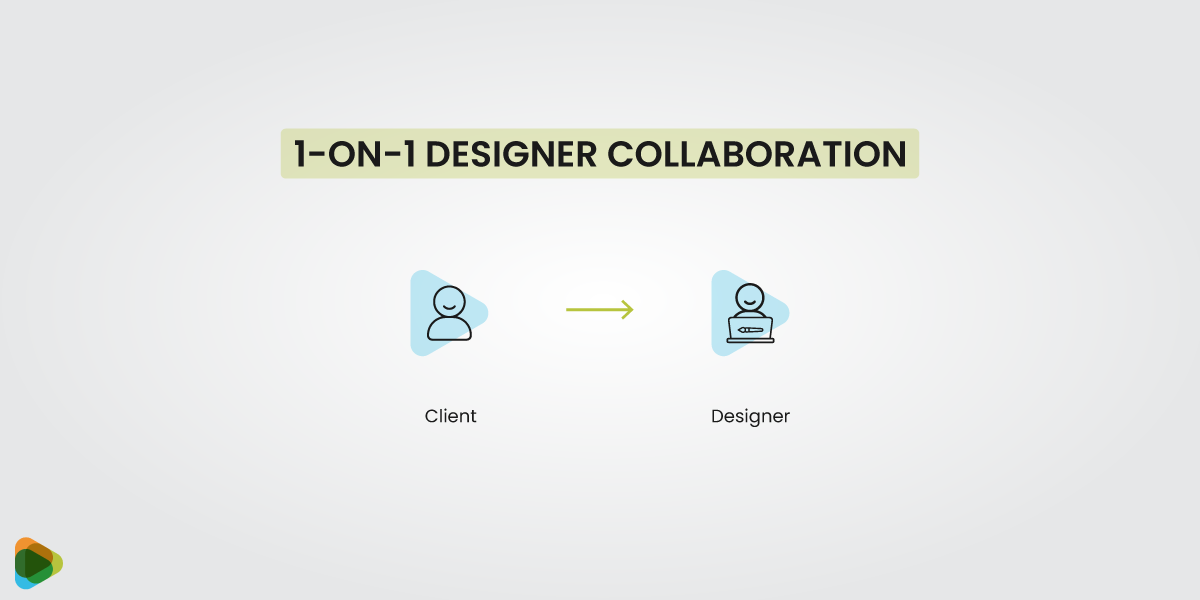
1-on-1 collaboration between client and designer
For clients who already have a clear vision or prefer direct communication, the 1-on-1 option pairs you with a single vetted designer.
3. Agency-Level Services
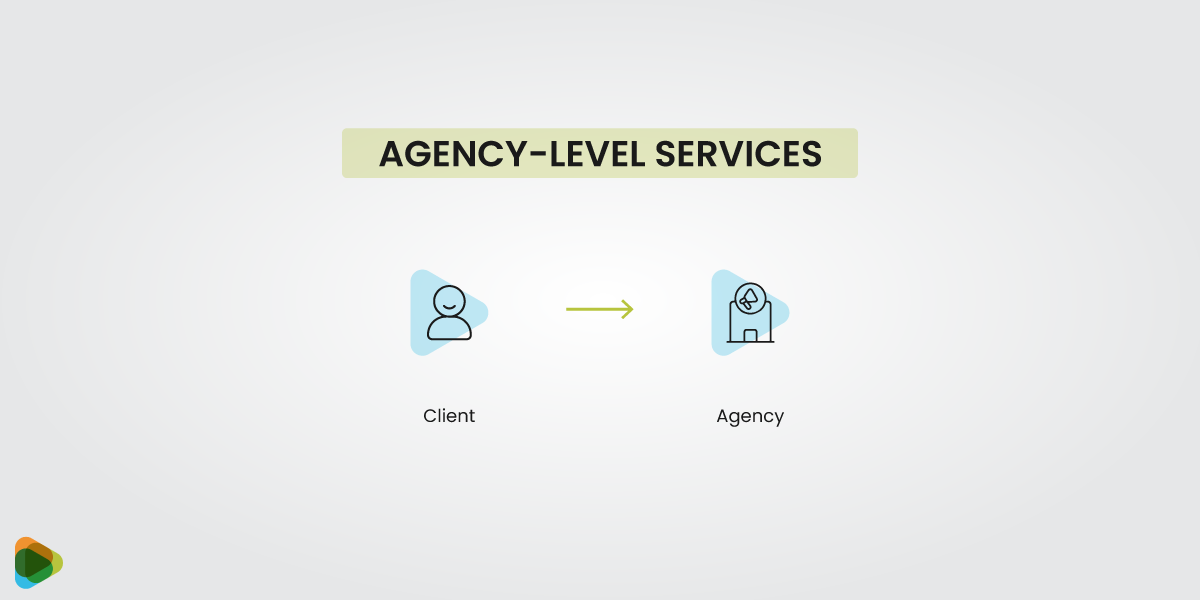
Client working with Agency
This includes strategic discovery, logo creation, and extended brand identity development handled by a coordinated creative team.
How to Run a Contest on ZillionDesigns
- Create a Design Brief with all Details
- Review the multiple concepts
- Send feedback and download files
Step 1: Launch with a Strategic Design Brief
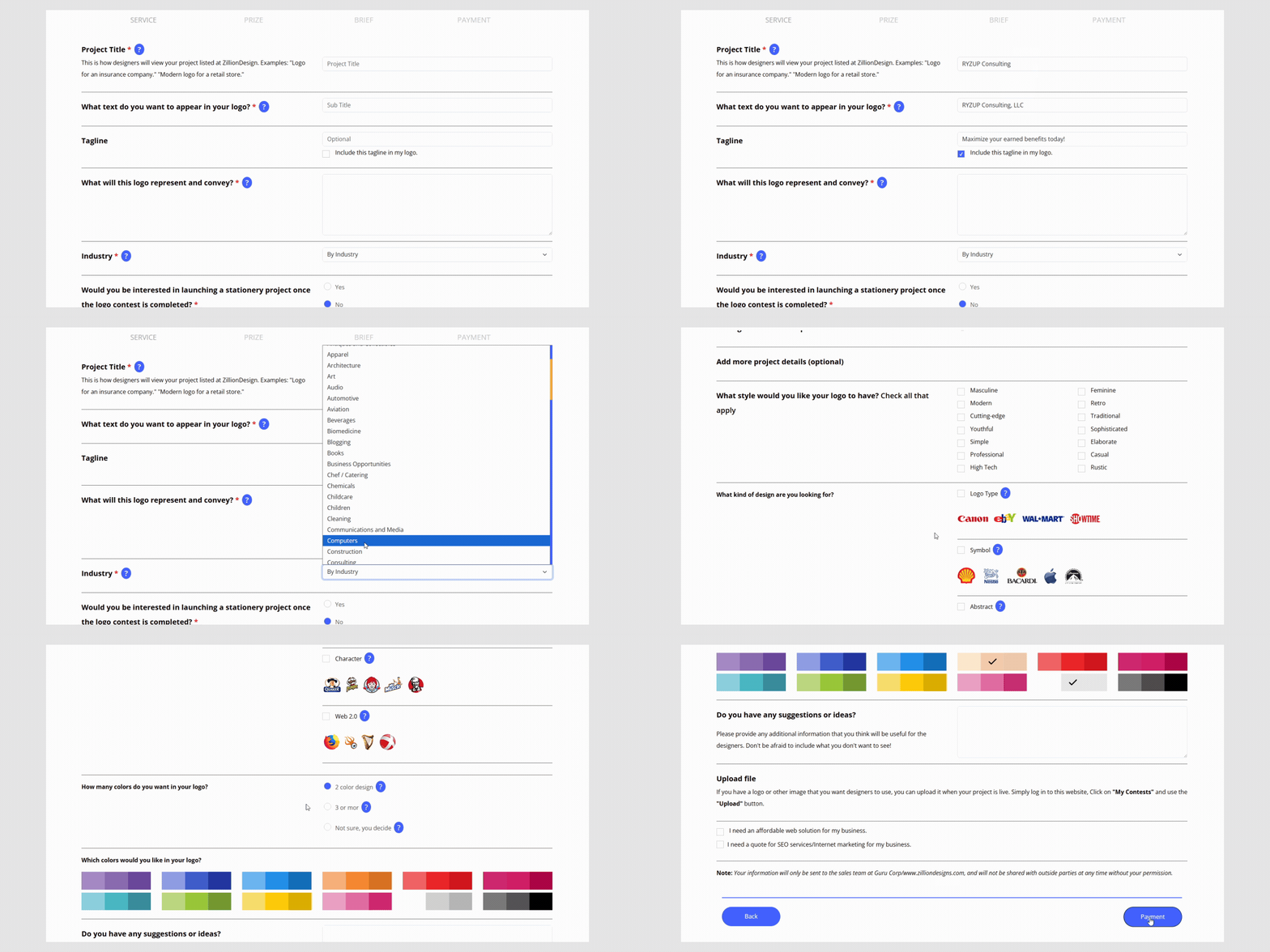
Process to create Design Brief on ZillionDesigns
Clients outline business goals, industry context, target audience, stylistic preferences, competitors, and any inspirations or constraints.
Step 2: Review, Compare and Guide the Direction
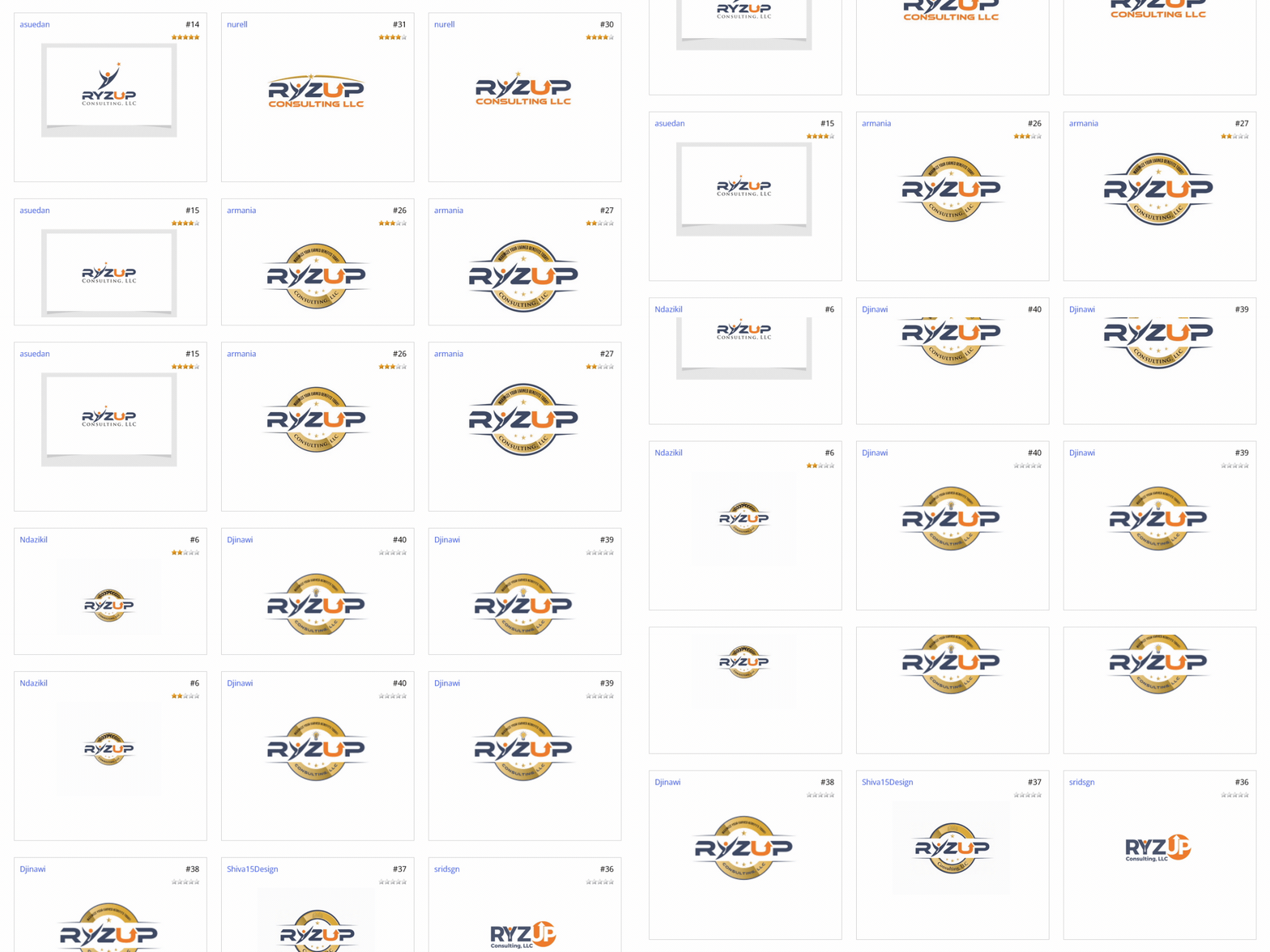
Review of multiple submissions in Ryzup logo contest
In contests, clients receive multiple concepts early in the process. You can rate designs, leave comments, and highlight what works or doesn’t.
For 1-on-1 projects and agency collaborations, this stage directly happens between designers and clients.
Step 3: Refine, Iterate and Download
Chosen design to be downloaded in contest
This includes scalable vector formats, web-ready assets, and variations for different use cases. Clients can download files, request final tweaks, and make sure the logo performs across real-world applications.
Logo Design Pricing: What You Pay for
- Freelancer: ~$100–$2,500 (wide variance in process/support)
- Contest platforms: low hundreds–low thousands (many options; fixed packages)
- Agencies: $3,000–$50,000+ (strategy, research, and polish)
What raises the cost? more concepts/revisions, faster turnaround, deeper research, fuller rights, broader file suites.
Rule of thumb: Match spending to risk (visibility, competition, regulation, timeline).
Deciding on the right cost and path
ZillionDesigns allows businesses to scale their investment as they grow, offering flexibility according to the chosen option.
- Industry Competition
Highly competitive industries such as technology, finance, fashion, and SaaS demand stronger differentiation and deeper market analysis.
- Research and Strategy Time
Lower-cost logos may skip discovery entirely. Higher-priced projects include brand positioning, audience analysis, competitor audits, and visual territory mapping. Te.
- Number of Concepts and Revisions
The more iterative the process, the higher the cost, but also the higher the likelihood of arriving at a confident final result.
- Rights, Ownership, and Exclusivity
Full copyright transfer, exclusivity guarantees, and trademark-ready files all add value. Cheaper options may limit usage rights or reuse design elements elsewhere.
How to Estimate Logo Cost?
The costs you pay depend on your chosen design option and any required variations.
- Freelancers
Freelance logo design typically ranges from $100 to $2,500, depending on experience and scope.
- Design Agencies
Agencies usually charge $3,000 to $50,000+ for logo and identity work. This includes strategy, research, and polished execution but the cost can be prohibitive for startups and SMEs.
- Contest Platforms (Including ZillionDesigns)
Design contest platforms occupy a middle ground, typically ranging from a few hundred dollars to several thousand, depending on the package level.
Logo Design Pricing at ZillionDesigns
The platform structures its pricing to match different business needs while maintaining transparency and creative depth.
- Entry-Level/Starter Packages
Clients receive multiple logo concepts, essential file formats and revision rounds. It’s ideal for startups and SMBs.
- Standard Branding Packages
These packages are built for growing businesses that need more than a single logo file. They include more concepts, a brand it and social display icons for multiple platforms.
- Enterprise-Level Identity Solutions
For established companies, ZillionDesigns offers high-end solutions that mirror agency workflows. This means in-depth strategy, dedicated creative teams and multi-use identity assets.
Logo Design Packages and Pricing
| Package | Best For | Scope & Deliverables | Concepts & Revisions | Turnaround Time | Ownership & Rights | Price Range (USD) |
| Starter (Logo) | Startups, solopreneurs, MVP launches | Primary logo + basic variations; AI, EPS, PNG, JPG files for print & digital | Multiple initial concepts; limited revisions | 3–5 business days | Full ownership after final approval | $199 – $299 |
| Standard (Logo + Mini Brand Kit) | Growing businesses, digital brands | Logo system, color palette, typography pairing, social media avatar | More concepts; extended revision rounds | 5–7 business days | Full commercial rights | $399 – $599 |
| Pro (Logo + Full Brand Kit) | Scaling brands, funded startups | Complete logo system, brand guidelines, stationery & usage mockups | Priority concepts & revisions | 7–10 business days | Exclusive ownership & usage rights | $799 – $1,299 |
| Add-Ons (Optional) | Custom needs | Rush delivery, animated logo, brand audit, extra file suites | — | As selected | — | $49 – $299 per add-on |
How to Write a Strong Logo Design Brief
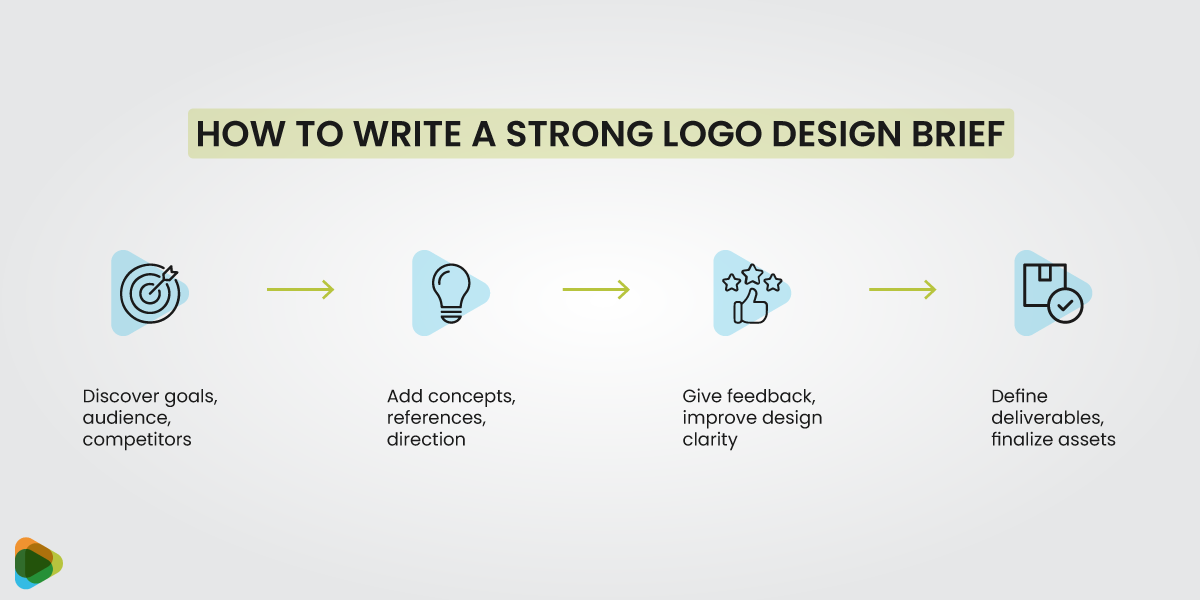
Process of writing a design brief
- Discovery—goals, audience, competitor scan, usage constraints
- Concepts—multiple directions (symbolic, typographic, blended)
- Iterations—feedback on clarity, scale, tone; structured rounds
- Delivery—vectors, web assets, lockups, usage notes; rights transfer
Tip: Define what ‘done’ looks like (files, rights, dates) in the brief.
Why Does the Brief Impact the Outcome?
- Clear briefs narrow the creative field in a productive way
- Vague briefs expand options but reduce confidence
- Better briefs are focused on the results
What Defines a Strong Logo Design Brief?
- What the business does and why it exists
- Who the logo must appeal to (and who it doesn’t)
- What emotional response does the brand need to trigger
- Where the logo will live in the real world
- What would make the client confident in choosing a winner
Key Elements of a High-Performing Design Brief
- Business Overview and Goals: This section anchors the design in real business context.
- Target Audience and Competitors: High-performing briefs define who the brand is for just as clearly as who it is not for.
- Brand Personality and Tone: Strong briefs will pair personality traits with opposites.
- Usage Scenarios (Digital, Print, Packaging): Logo displayed on websites, mobile apps, social media avatars, packaging, signage, merchandise, or investor decks.
- Outcome: Defining a successful result helps designers optimize in the right way rather than relying on personal taste.
Step-by-Step Logo Design Process
A professional logo design process moves through discovery, concept development, iteration, and handoff. You’ll define goals and audience, review competitor signals, explore multiple directions (symbolic and typographic), then refine for legibility at small sizes and across dark/light backgrounds. Final deliverables include vector and web file formats, color/mono variants, lockups, and ownership rights transfer so you can use the logo everywhere. Choose a contest (many options) or 1-to-1 (focused refinement); add a brand kit for consistency.
Step 1: Discovery and Research
- Clarify business goals, ICP, and use cases (web, print, signage, and app).
- Audit: competitors’ logos, color usage, typography, and overused symbols to avoid.
- Define brand traits (e.g., modern, not cold; confident, not corporate).
- Output: a short creative brief + usage constraints.
Step 2: Concept Development
- Explore multiple directions: symbol-led, type-led, and blended marks.
- Screen early for distinctiveness, scalability, and accessibility contrast.
- Avoid clichés; align with category norms without blending in.
- Output: 3–6 promising concepts for side-by-side comparison.
Tip: contests = broader exploration; 1-to-1 = faster convergence.
Step 3: Feedback, Iteration, and Refinement
- Give objective feedback on clarity, alignment with the audience, legibility, and tone.
- Tighten proportions, spacing, stroke weight, color balance, and typography pairing.
- Test: 16–24 px icon, grayscale/mono, dark/light backgrounds.
- Output: final logo system (primary + variations).
Step 4: Deliverables and File Formats
- Vectors: AI, EPS, SVG (print, large-format, future edits).
- Web rasters: PNG (transparent), JPG (optimized).
- Colorways: full color, black, white, and grayscale/inverse.
- Lockups: horizontal, stacked, icon-only.
- Color profiles: RGB (screen), CMYK (print).
- Usage notes: clear space, background rules, improper use.
See also: Logo File Formats Explained
Step 5: Ownership Transfer
- Secure full ownership transfers at final payment (exclusive, global, commercial use).
- Confirm: no reuse/resale, editable source files included, trademark-ready originality.
- Keep records: license/rights document, final files, and revision history.
Case Studies
Olympus Dental Revamped It’s Logo In Just $200!
Problem: The existing logo did not reflect the trusted, patient-focused experience the practice delivers.
Process: ZillionDesigns delivered a refreshed logo and stationery set (business cards, letterheads, envelopes, referral pads).
Outcome: Increased patient inquiries. More referral traffic from printed and digital materials.
Sunset Valley Apartments’ Logo Is A Hit With Renters
Problem: Prospective clients did not easily recall the brand from signage or social ads.
Process: Through a logo contest, the business received multiple creative submissions and picked a winner.
Outcome: Brand recall in audience surveys was higher. Engagement on property listings increased.
Princess Kut Transformed Its Brand from Bland To Bold
Problem: Logo lacked uniqueness and failed to resonate online.
Process: Contest delivered multiple modern visual identities.
Outcome: Social engagement rates increased. Online visibility improved and business generated interest.
Citrus Clothes’ Logo Overhaul That Changed Their Style Game
Problem: Competed with a visually indistinct logo. Brand engagement was slow.
Process: Citrus Clothes ran a logo contest that produced a stylized mark,
Outcome: E-commerce views improved quickly. Brand searches increased.
From Stale to Sleek: Smart Money’s Complete Branding Overhaul
Problem: Visually generic logo that did not convey trust for a financial company
Process: ZillionDesigns’ contest led to a sleek, professional visual identity.
Outcome: Subscription growth increased with the refreshed logo. Click-through rates improved.
Getting Started on your Logo
When you plan for the desired results, by securing proper file formats, clear usage rights, and a scalable identity system, you future-proof your brand. Treat your logo as an investment, not an expense.
FAQs
What does logo design cost, and what affects pricing?
Logo design pricing varies based on scope and risk. Key factors include the number of concepts, revision rounds, research depth, turnaround time, and ownership rights. Regulated industries or high-competition markets often require more strategy and validation, increasing cost. Transparent platforms typically offer fixed packages with clear deliverables, while custom agency work may involve phased billing. Always check whether revisions, file formats, and ownership transfer are included or billed separately.
How many concepts and revisions are included?
Most professional logo services include multiple initial concepts to explore different creative directions. Revisions usually refer to changes in a chosen concept, such as color, typography, or layout adjustments, not entirely new designs. Clear packages specify how many revision rounds are included and what qualifies as a revision.
How long does logo design take? Are rush options available?
A standard logo project typically takes 7–14 business days, depending on complexity and feedback speed. Branding or full identity systems may take several weeks. Rush options can shorten timelines significantly, sometimes to 24–72 hours, by prioritizing designer availability and reviews.
Who owns the logo, and when do rights transfer?
Ownership usually transfers after final payment is completed. Professional services provide full rights, including commercial use and exclusivity, meaning the logo won’t be resold or reused.
What logo file formats are included, and where are they used?
A complete logo package includes vector files (AI, EPS, SVG) for scalability and print, plus raster files (PNG, JPG) for digital use. Transparent PNGs are ideal for websites and social media, while vector formats are required for signage, packaging, and embroidery. Color, black, white, and monochrome versions are typically included to ensure versatility across backgrounds and materials.
How does collaboration and feedback work?
Feedback is usually shared through a centralized dashboard, comments, or revision forms. Most processes are round-based, allowing clients to review, comment, and approve changes step by step.
Should I choose a contest, 1-on-1, or agency path?
Contests offer a wide range of ideas quickly and are ideal if you want variety. One-on-one projects suit businesses that want close collaboration and continuity. Agency-style services are best for complex branding, regulated industries, or large rollouts. The right choice depends on your timeline, budget, risk tolerance, and need for strategic depth.
What’s included in a brand kit and when do I need one?
A brand kit typically includes logo variations, color palette, typography, spacing rules, and basic usage guidelines. You need one if your logo will be used across multiple channels, teams, or vendors. Brand kits help maintain consistency as you scale, especially for marketing, social media, packaging, and print. Startups may begin with a mini kit and expand later.
Are there considerations for regulated industries?
Yes. Industries like finance, healthcare, and legal services require logos that convey trust, compliance, and clarity. Claims, symbols, and colors may be restricted. Designers must account for regulatory guidelines and risk perception, which can mean more research, conservative design choices, and additional review cycles.