How To Run A Logo Design Contest – A Simple Guide For Startups

Featured Image: iStock/bo feng
Logo design is one of the toughest challenges for early-stage startups. A logo isn’t just a visual — it’s the cornerstone of your brand identity, helping build recognition, trust, and credibility. Yet many startups struggle: budgets are tight, hiring a full-time designer isn’t always feasible, and founders are often still refining their brand positioning and audience.
Crowdsourcing a logo design contest offers a smart, cost-effective solution. Instead of committing to one designer, you get multiple creative concepts, fast turnaround, and plenty of choices — all while tapping into a community of talented designers ready to bring your brand to life.
This guide will show you how to run a logo contest from start to finish, from crafting a clear brief to attracting high-quality submissions and choosing the perfect winning design.
How a Logo Contest Works (in a Nutshell)?
A logo design contest is a collaborative, crowdsourced way for startups to get multiple creative ideas at once. Instead of working with a single designer, you invite a group of designers to submit concepts based on your brief, give feedback, and select a winning design — all within a structured process that includes timelines, revisions, and final deliverables. This approach is especially useful for early-stage companies, as it reduces uncertainty and accelerates the creative process.
Most logo contests follow a similar workflow:
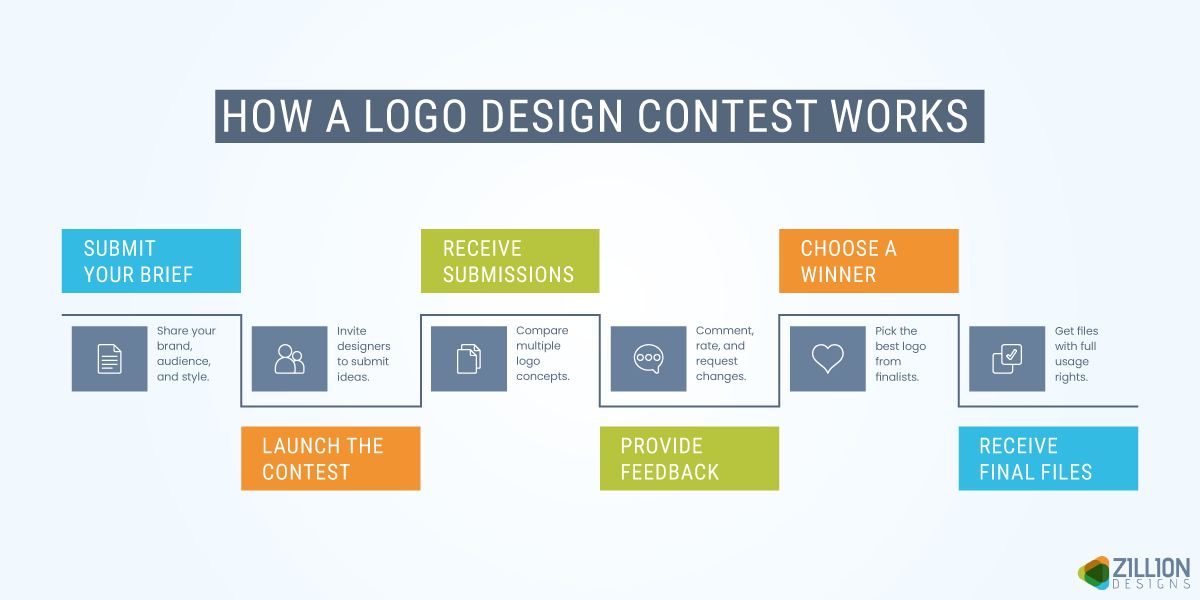
- Submit a Design Brief – Describe your brand, target audience, style preferences, colors, and any requirements.
- Launch the Contest – The contest goes live, and designers begin submitting concepts.
- Receive Submissions – Multiple designers provide a variety of logo ideas.
- Give Feedback & Request Revisions – Rate designs, leave comments, and ask designers to refine their concepts.
- Choose a Winning Design – Shortlist finalists and select the best logo.
- Get Final Files & Rights – Receive the final logo files with full ownership and usage rights.
This iterative loop — submit, review, refine — allows founders to explore different creative directions and discover what works best for their brand, while ensuring the final logo is polished, professional, and aligned with their vision.
When a Logo Design Contest Works?
Did you know that hiring a professional logo designer or agency can cost anywhere from $300 to $5,000 — and sometimes even more?
For startup owners, these options can feel overwhelming. With so many choices, from freelance designers and design agencies to DIY logo generators, it’s not always clear which approach will deliver the best results for your brand.
This is where logo design contests come in. They offer a cost-effective, creative, and efficient way for startups and small businesses to explore multiple design directions, gain clarity on their brand identity, and land on a logo that truly works.
What do you gain from running a logo contest?
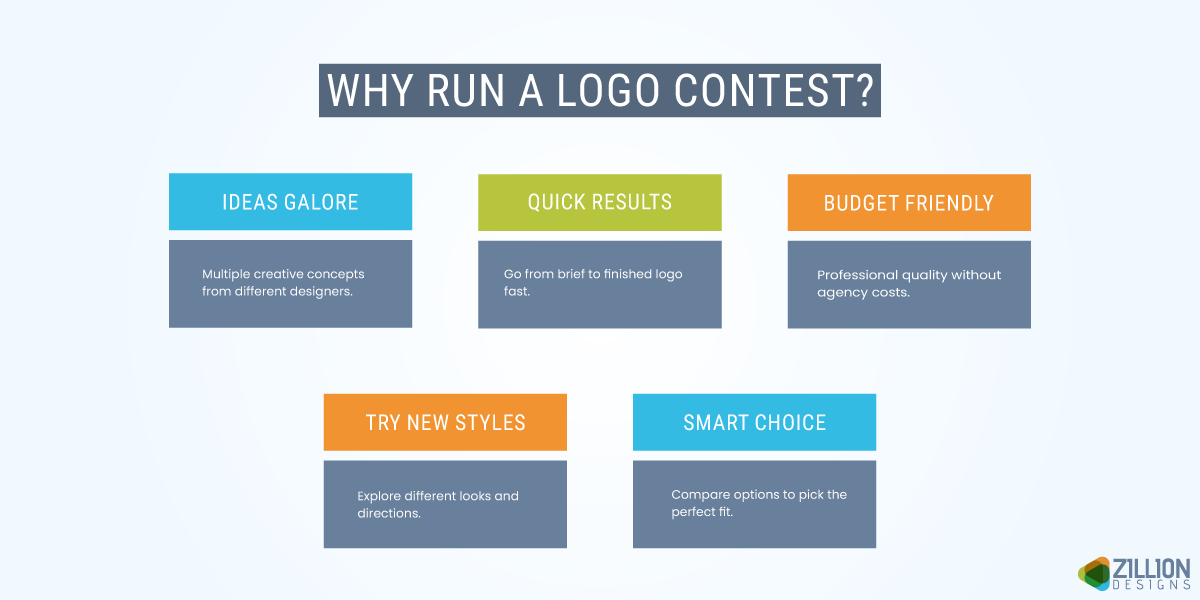
- Multiple Ideas, One Brief – Receive a variety of creative concepts from different designers, helping you explore multiple directions quickly.
- Fast Turnaround – Structured timelines let you move from brief to finished logo faster than traditional agency processes.
- Cost-Effective Quality – Access professional design talent without the high costs of a full-time designer or agency.
- Flexibility and Experimentation – Perfect for early-stage companies, product launches, or rebrands. See how your brand could look across multiple styles and interpretations.
- Reduced Risk – By reviewing and refining multiple submissions, you increase the chances of finding a logo that resonates with your audience.
For example, a small startup launching a new app might feel uncertain about its visual direction. By running a logo contest, the team can see dozens of creative ideas side by side, provide feedback, and gradually refine the concepts until the winning logo perfectly captures their brand personality — all without overspending or committing to a single designer from the start.
Starr Business Solutions: Top-Quality Logo for $200!
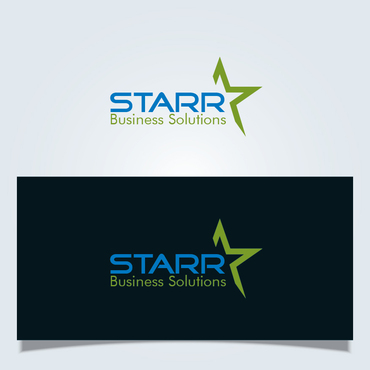
With a clear brief and a modest budget of $200, Starr Business Solutions ran a logo contest and received 45 professional concepts to choose from. By focusing on clarity and brand direction, they secured a polished, brand-aligned logo at a fraction of traditional design costs—proving that startups can achieve professional results without breaking the bank.
Infiset: Explore Creative Possibilities with 77 Concepts
Infiset, a startup simplifying data collection and analysis, ran a logo contest with a budget of $149. Their clear creative brief attracted 77 unique concepts, giving them a wide variety of professional options. This allowed them to experiment multiple directions before choosing a logo —showing that even a small budget can unlock both quality and creativity.
For startups and small businesses, contests aren’t just a shortcut — they’re a strategic way to get a market-ready logo and build a professional brand identity quickly and affordably.
Different Types of Logo Design Contests You Can Run
Not all logo design contests work the same way. Depending on your budget, timeline, and level of creative exploration, there are a few contest formats to choose from.
| Contest Type | How It Works | Best For | Key Benefits | Things to Consider |
| Crowdsourced Logo Contest | Your brief is open to many designers who submit logo concepts simultaneously. | Early-stage startups, new brands, founders exploring ideas | Maximum variety, fast turnaround, lots of creative options, cost-effective | Can feel overwhelming if you don’t provide clear feedback |
| 1:1 Logo Design Contest | You work with one designer in a structured contest format with revisions and milestones. | Startups with a clear vision, founders who want hands-on collaboration | Focused attention, deeper refinement, consistent creative direction | Fewer ideas to compare; relies heavily on one designer |
| Invite-Only Logo Contest | A selected group of designers is invited to participate instead of opening it publicly. | Startups seeking higher-quality or niche design styles | Better quality control, curated talent, balanced variety | Slightly higher cost and fewer total submissions |
1. Crowdsourced Logo Contest
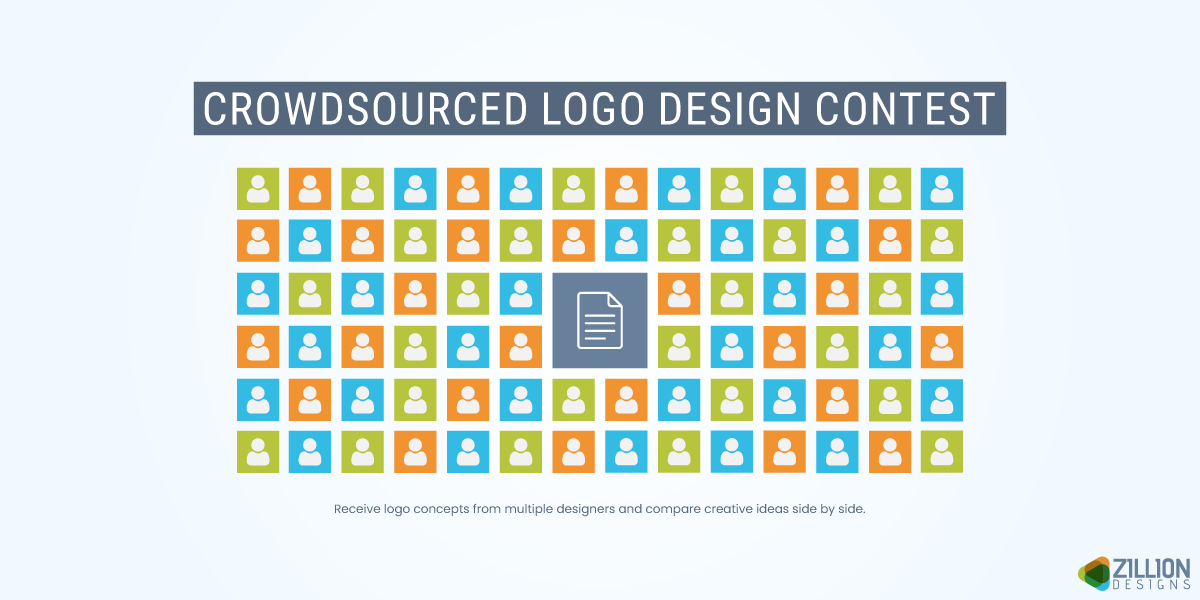
This is the most common and flexible format. Your brief is opened to a large pool of designers, and you receive multiple logo concepts from different creative perspectives.
Best for:
- Early-stage startups
- Founders exploring multiple visual directions
- Teams that want maximum choice and fast turnaround
Why it works: You get a wide range of ideas to compare side by side, helping you discover what resonates most with your brand.
2. One-to-One (1:1) Logo Contest
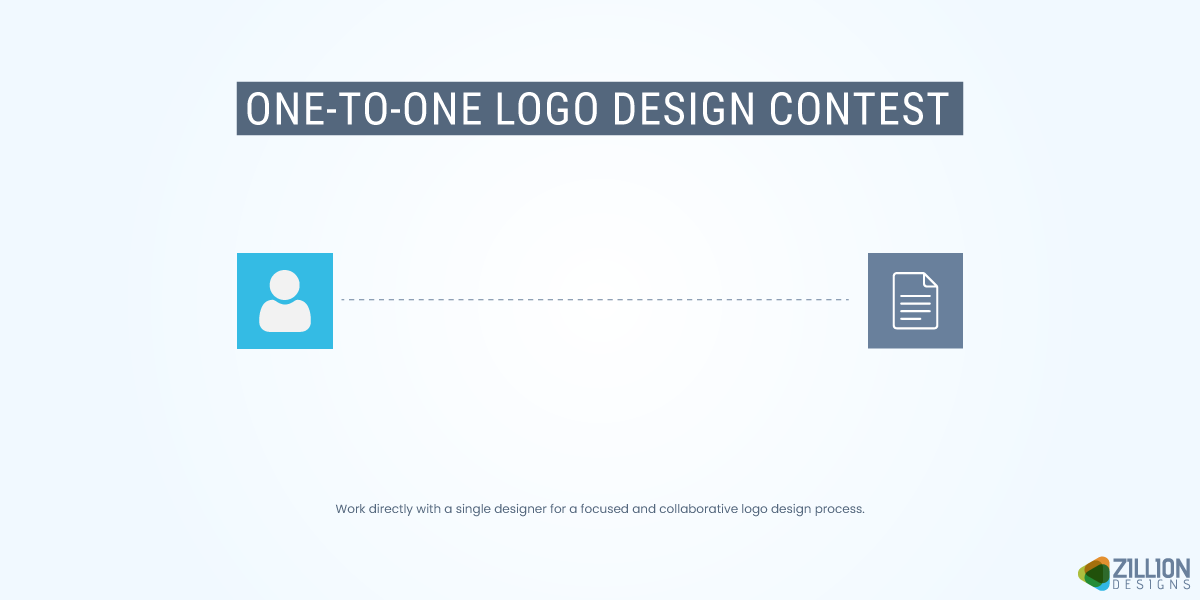
In a 1:1 logo contest, you work directly with a single designer within a structured contest framework. The process still includes revisions and milestones, but the focus is on deeper collaboration rather than multiple competing ideas.
Best for:
- Startups with a clearer visual direction
- Founders who prefer hands-on collaboration
- Projects that need more refinement than exploration
Why it works: You get focused attention and consistency while still benefiting from a defined process and ownership transfer.
3. Invite-Only Logo Contest
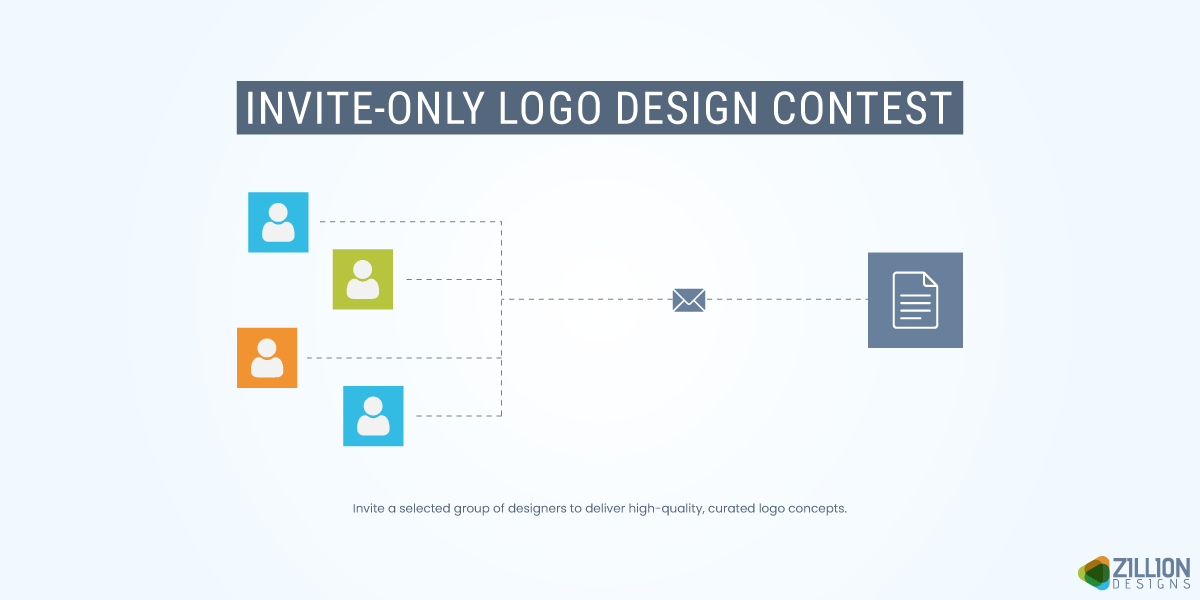
Some platforms allow you to invite a curated group of designers to participate instead of opening the contest publicly.
Best for:
- Startups seeking higher-end or more specialized design styles
- Brands that want quality over volume
Why it works: It combines the variety of a contest with the control of a curated talent pool.
How to Prepare Before You Launch the Contest
Before launching a logo design contest, the most important work happens internally. The quality of submissions you receive depends largely on how clearly you communicate who you are, what you need, and what success looks like. Startups that skip this preparation often feel overwhelmed by options or disappointed with results — not because designers lack skill, but because direction is unclear.
Let’s understand how to prepare effectively.
1. Clarify Your Brand Identity
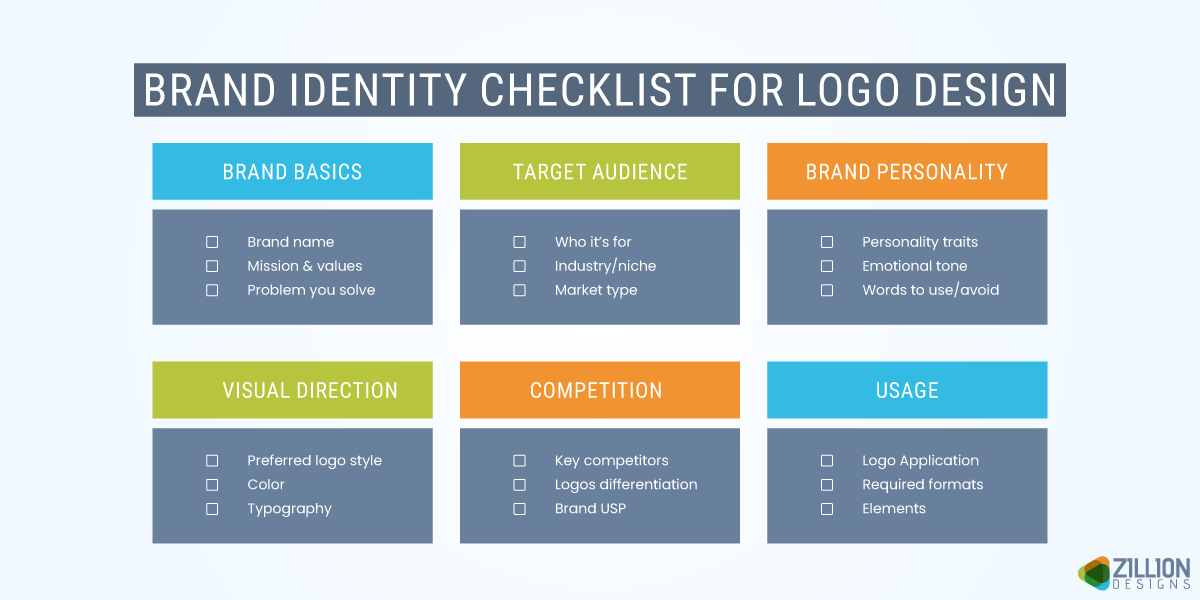
A logo is a visual shorthand for your business, so designers need to understand what that shorthand represents. Clarifying your brand identity doesn’t require a full brand book, but it does require honest reflection on your purpose and positioning.
- Start with your mission, vision, and values. Designers need to understand why your startup exists, the problem it solves, and the principles that guide it. A finance brand built on transparency will look very different from one focused on exclusivity or rapid growth.
- Next, define your target audience. A business service logo aimed at enterprise buyers will communicate differently from a thrift store logo targeting Gen Z consumers or local communities. Clear audience insights help designers make better decisions about tone, color, and typography.
- Brand personality adds emotional direction. Whether your brand should feel bold, friendly, premium, playful, or minimalist directly shapes design outcomes. Vague descriptions like “modern and unique” often lead to weak results unless backed by clear emotional intent in the logo design.
- Finally, include competitor references. Sharing examples helps designers understand industry norms, avoid unintentional similarities, and identify opportunities to differentiate.
2. Define Your Goals
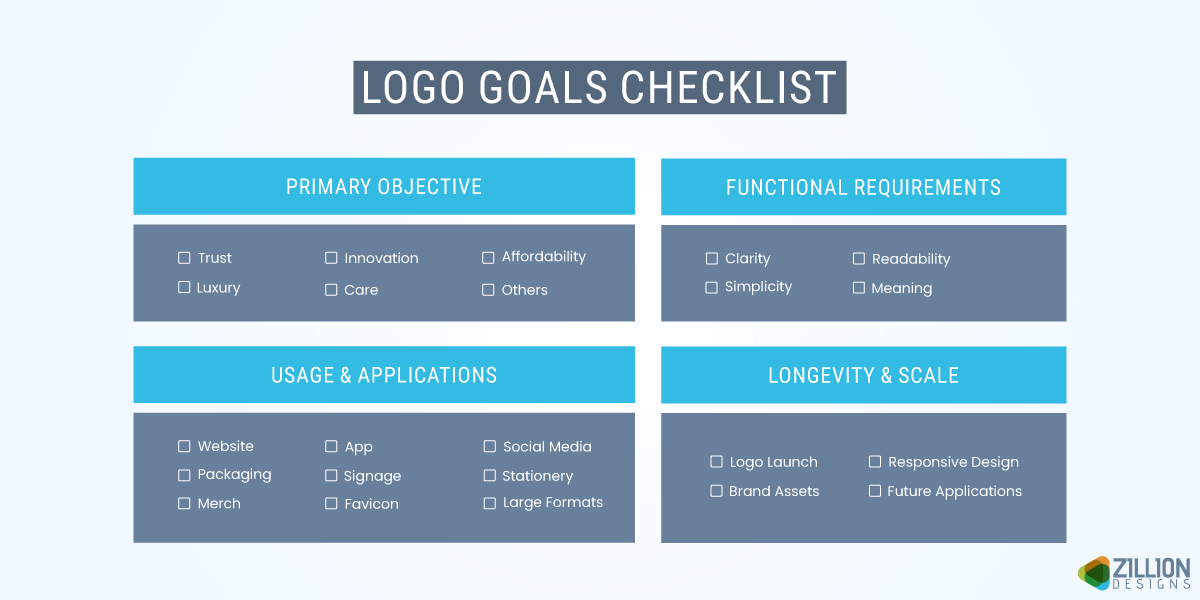
Once your identity is clear, define what the logo needs to achieve. A logo must be functional, not just visually appealing. That is the graphic elements in a logo must make sense.
- Clarify the primary message it should communicate — trust, innovation, affordability, luxury, or approachability. For early-stage startups, logos often need to establish credibility quickly, so designers should know whether the focus is reassurance, excitement, or memorability.
- Also consider where the logo will be used. Adaptable logos designed for app icons, websites, packaging, or signage have different requirements. Letting designers know size, motion, and usage constraints leads to more practical designs.
- Finally, think about longevity. Some startups need a quick, functional logo to launch, while others want an identity that can scale across products and markets. Communicating this helps designers balance simplicity with flexibility.
3. Set a Realistic Budget
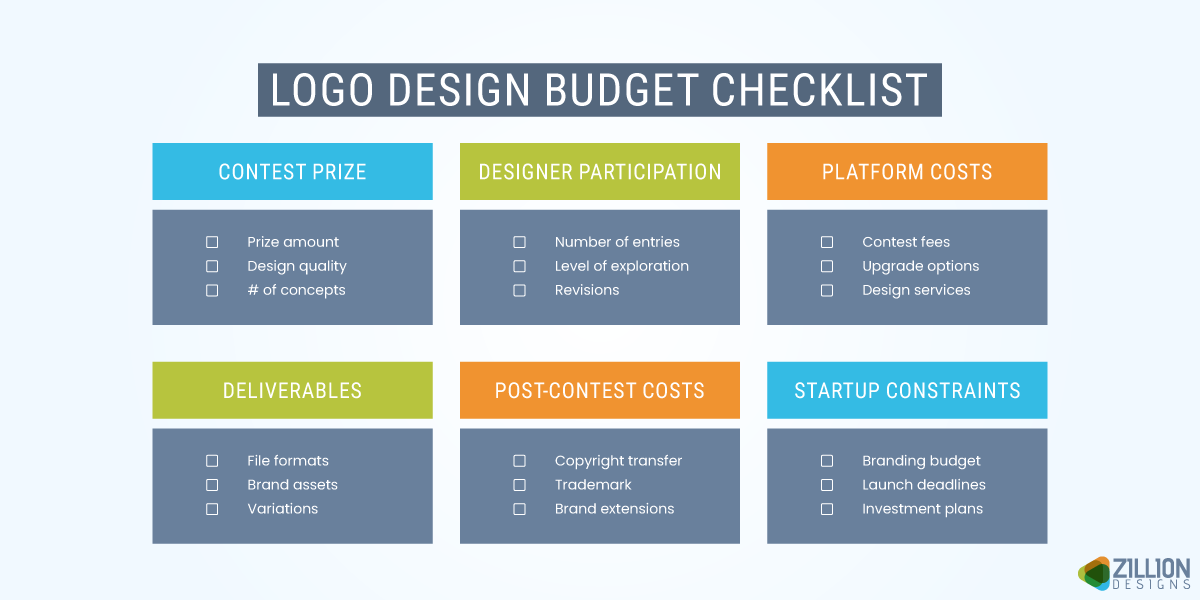
Your budget directly impacts participation and quality. In a logo contest, the prize amount influences how many designers join, how much effort they invest, and how much refinement they provide.
- Lower budgets often result in fewer entries or more generic concepts, while higher prizes tend to attract experienced designers willing to explore multiple directions and respond to feedback. For startups, the goal is to align expectations with investment. Logo spending is directly tied to the quality and variety of submissions, so for startups, the goal is to align expectations with investment.
- Also consider costs beyond the contest itself. Platform fees, additional file formats, brand assets, or logo copyright or trademark registration may come later. Planning for these upfront helps avoid surprises and ensures you can fully use the winning logo entries.
Choosing the Right Logo Design Contest Platform
Not all logo design contest platforms are created equal. The platform you choose will shape the quality of designers you attract, the level of support you receive, and how smoothly the contest runs from start to finish. For startups, selecting the right platform is as important as writing a strong brief since even the best brief won’t perform well in the wrong environment.
This section breaks down the key factors to evaluate before committing to a contest platform and how to get the most out of whichever option you choose.
1. Designer Community: Active, Skilled, and Relevant

The main advantage of a logo design contest is access to multiple creative perspectives, but numbers alone don’t guarantee quality. A strong platform attracts designers who submit original work, understand branding, and engage thoughtfully with feedback. Reviewing recent contests and portfolios provides a more realistic picture of the talent pool.
A balanced designer community that includes both emerging and experienced designers produces the strongest results.
- Are designers actively participating or mostly inactive?
- Does recent work reflect professional, brand-aware thinking?
- Is there a healthy mix of experience levels?
2. Platform Reputation and Industry Trust

A platform’s reputation reflects how reliably it operates. Established platforms tend to have clearer rules, stronger designer trust, and more predictable outcomes. Reputation also influences whether experienced designers view a contest as worth their time.
Researching the platform’s history, client base, and client testimonials helps avoid unnecessary risk.
- How long has the platform been operating?
- Do credible startups or brands use it?
- Are policies around payments and rights transparent?
3. Reviews, Ratings, and Accountability
Transparent review and rating systems create accountability for both designers and clients. These systems help startups identify reliable designers and understand how the platform responds when issues arise. Clear feedback histories reduce uncertainty and improve collaboration.
- Can clients and designers rate each other?
- Are designer profiles detailed and performance-based?
- Do reviews reflect consistent support and fair moderation?
4. Support, Moderation, and Dispute Handling

Even well-run contests can encounter challenges such as feedback misunderstandings, originality concerns, or delivery issues. Platforms with responsive human support and documented dispute resolution processes provide essential protection.
Strong moderation keeps contests productive and fair.
- Is live or human support available during contests?
- Are disputes handled clearly and efficiently?
- Does the platform actively moderate originality and conduct?
5. Ownership Rights and Intellectual Property Protection

Clear ownership and IP policies ensure that startups fully own the final logo and avoid future legal complications. Strong platforms define rights transfer clearly and protect against reused or plagiarized designs.
This factor is often overlooked but critical.
- Do I receive full ownership of the winning design?
- Are designers required to submit original work only?
- Are non-winning designs restricted from reuse?
6. Contest Structure and Participation Model
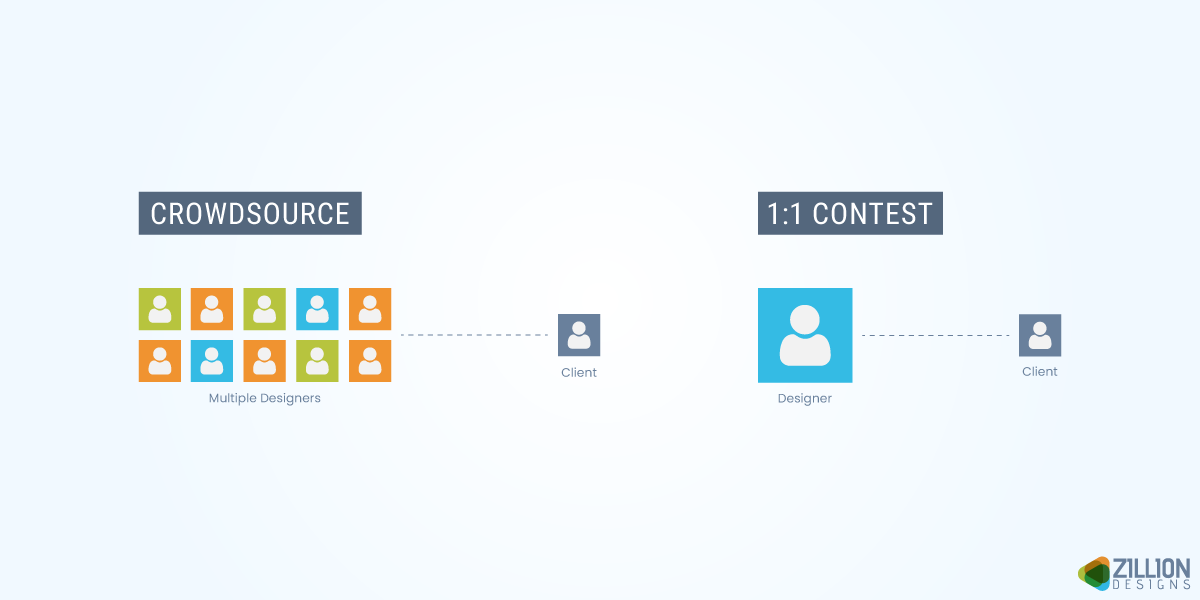
Platforms vary in how contests are structured. Some are contest-only, while others offer hybrid models with one-on-one collaboration or agency-style services. The right structure depends on how much guidance and iteration you want.
- Is this a pure contest model or a hybrid approach?
- Can I request revisions or deeper collaboration?
- Does the process match my decision-making style?
7. Free vs. Paid Platforms: Understanding the Trade-offs
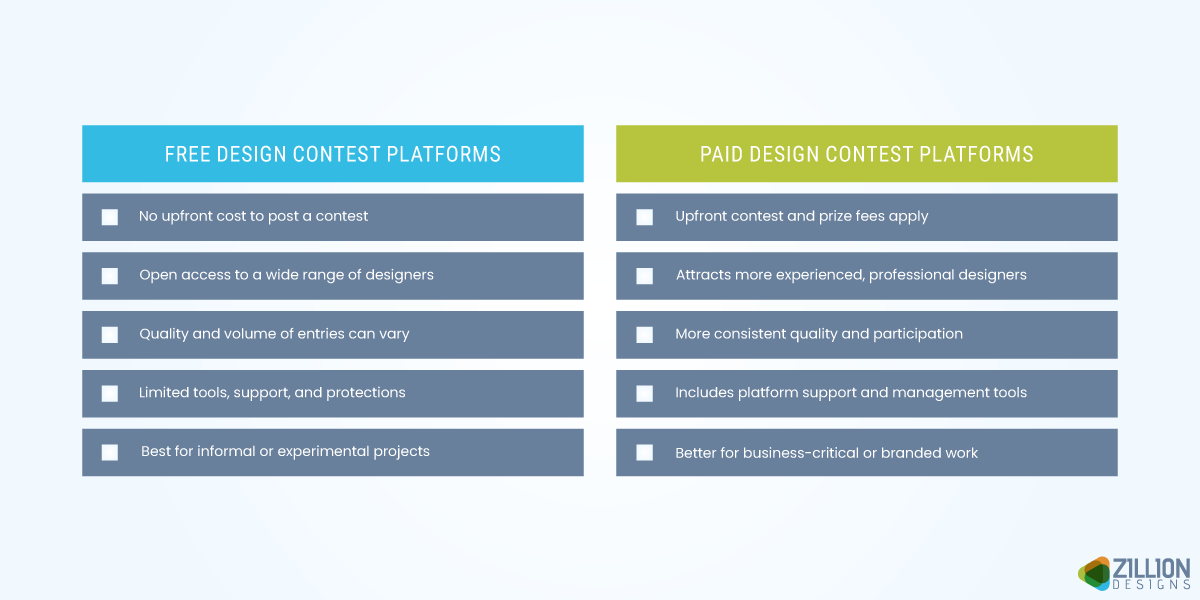
Free platforms may limit access to experienced designers and offer weaker support or unclear ownership terms. Paid platforms typically encourage higher-quality logos for different industries and provide clearer contracts and protections.
For startups, cost should be weighed against risk and outcome quality.
- Does payment encourage more serious designer participation?
- What protections or quality am I sacrificing by choosing free?
- Is the prize competitive enough to attract strong talent?
8. Visibility, Engagement, and Contest Momentum
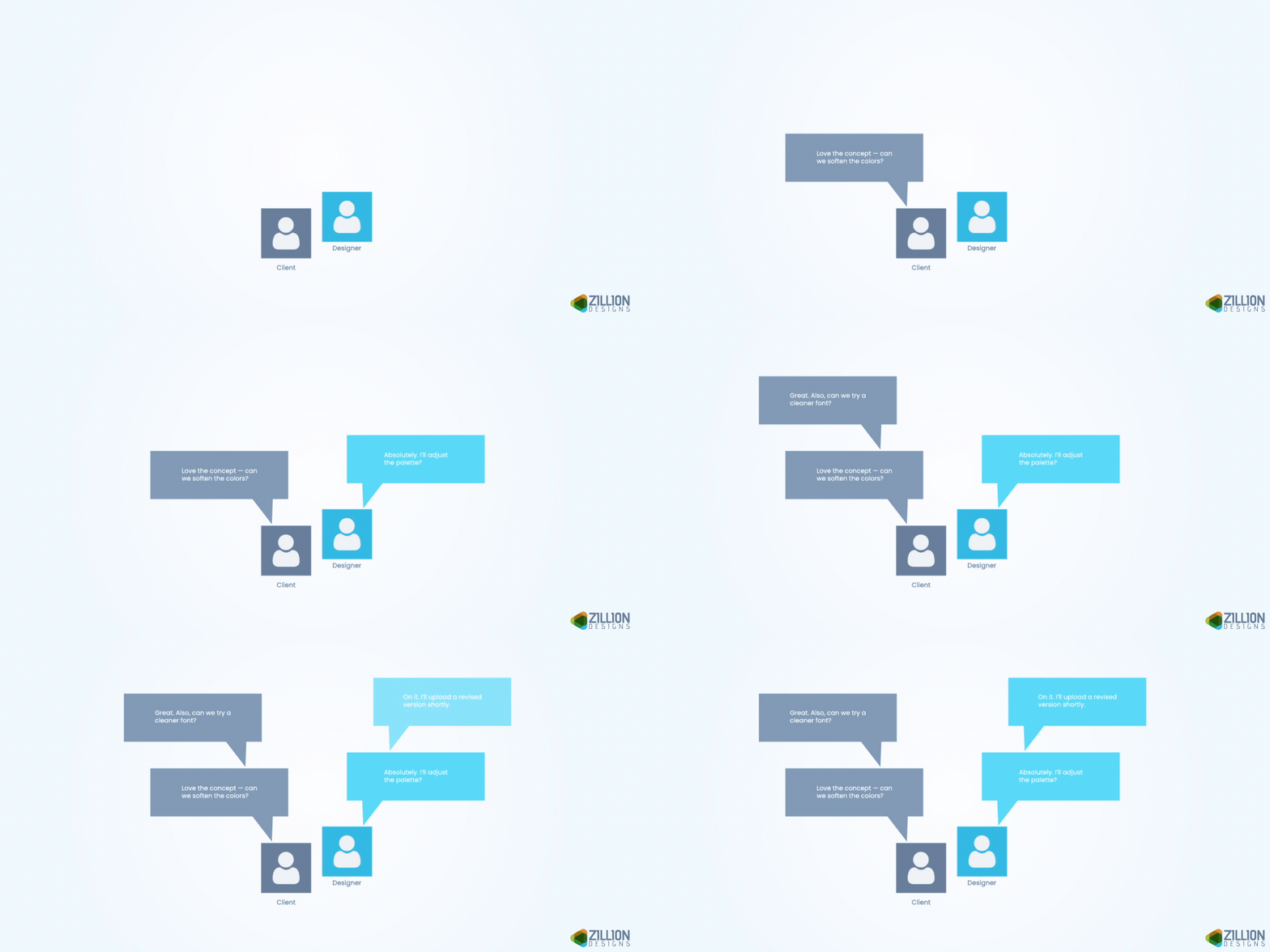
Designer participation is influenced by how visible and engaging a contest appears. Clear briefs, timely feedback, and active communication improve visibility and attract better submissions.
Engaged clients tend to receive better work.
- How does the platform promote active contests?
- Will responsiveness affect designer participation?
- Are there tools to increase contest visibility?
9. Post-Contest Delivery and Ongoing Support
Selecting a winner is only part of the process. Reliable platforms ensure proper file delivery, smooth ownership transfer, and post-contest support if issues arise.
This final step turns concepts into usable brand assets.
- Are final files provided in all required formats?
- Is support available after the contest ends?
- What happens if revisions or fixes are needed?
How to Launch and Run a Logo Design Contest: A Step-by-Step Guide
Running a logo design contest works best when you treat it as a guided process rather than a one-time task. Each stage builds on the previous one, helping you move from an open call for ideas to a confident final brand decision. Here are some key steps you can follow to manage a logo design contest from start to finish.
Step 1: Create and Launch the Contest
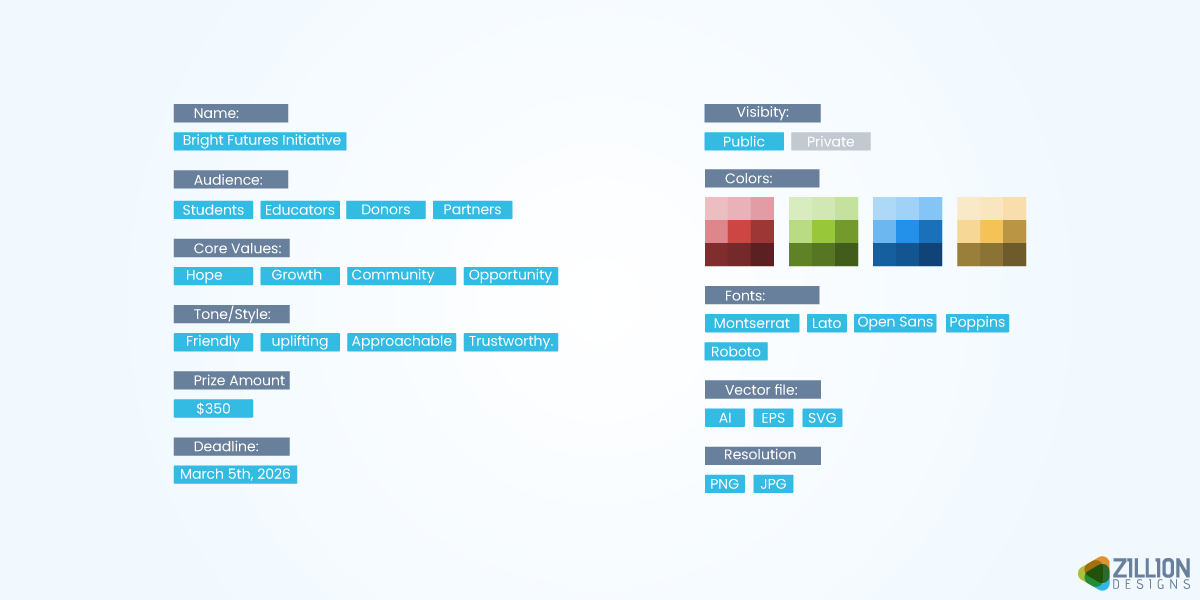
The first step is setting up and launching the contest on your chosen platform. This step combines both the contest configuration and the creative brief, ensuring designers have everything they need from the moment the contest goes live.
• Set the Prize Value
Choose a prize that reflects the quality you expect, as higher rewards typically attract more experienced designers and greater effort.
• Choose the Contest Timeline
Allow enough time for exploration and iteration; a 7–14 day duration usually balances speed with thoughtful design development.
• Select Public or Private Visibility
Public contests encourage broader idea generation, while private contests are better for confidential or sensitive projects.
• Brand Overview and Industry Context
Explain what your business does and the space it operates in so designers understand the competitive landscape.
• Target Audience and Brand Personality
Describe who the logo is for and how the brand should feel emotionally and visually.
• Logo Type Preferences
Specify whether you prefer a wordmark, icon, combination mark, emblem, or are open to exploration into brand logo types.
• Color, Typography, and Style Guidance
Share preferred color palettes, fonts, and visual styles, along with any elements to avoid.
• Usage Considerations
Explain where the logo will be used, such as websites, apps, print materials, or merchandise.
• Constraints and “No-Go” Elements
List anything that must be avoided to prevent misalignment or wasted effort.
Step 2: Review Early Submissions and Provide Direction
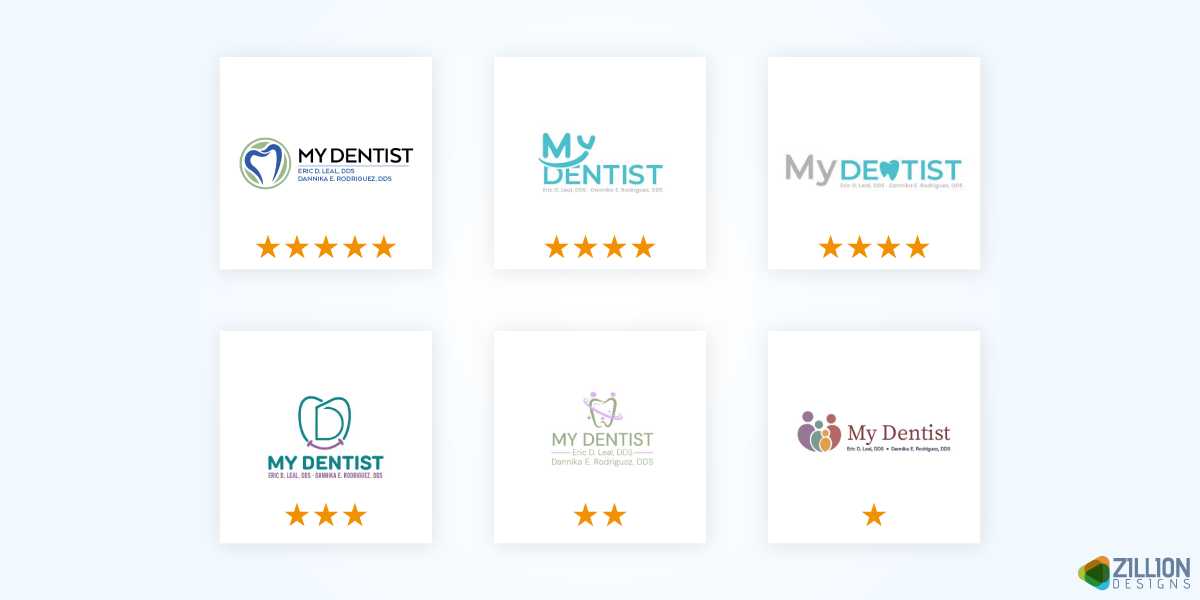
As designs start coming in, your role shifts from organizer to guide. Early feedback should be directional rather than overly detailed. Focus on whether concepts feel aligned with your brand’s tone, personality, and audience.
Let designers know which directions resonate and which don’t, and explain why. This helps them adjust quickly and explore ideas that are more likely to succeed as the contest progresses.
Step 3: Stay Actively Engaged Throughout the Contest
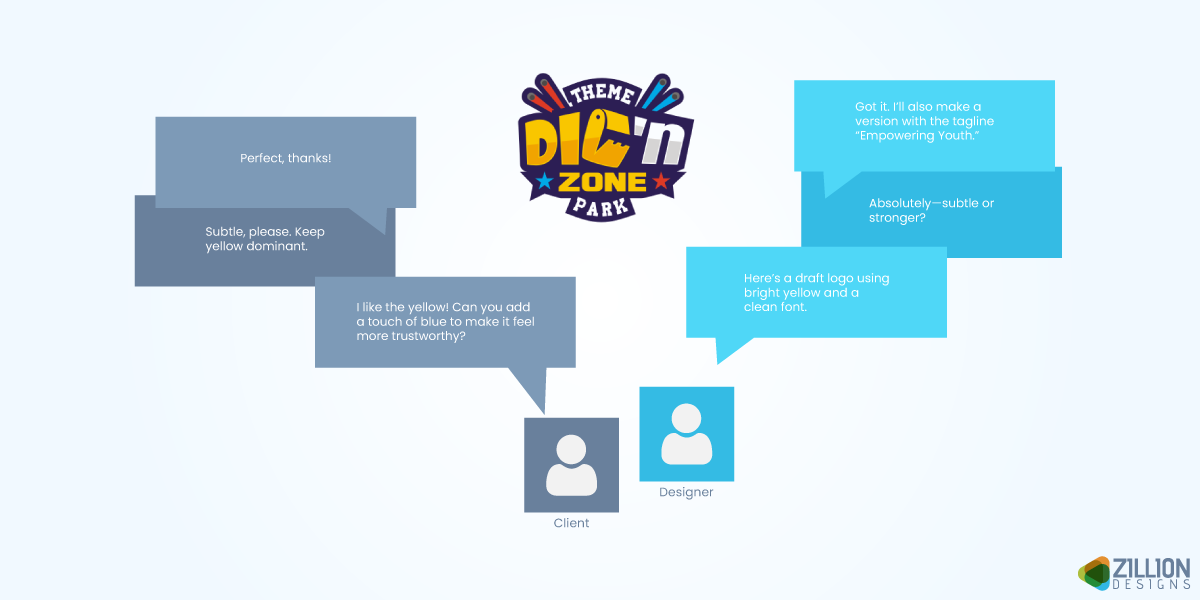
Successful contests are active contests. Respond promptly to questions, acknowledge effort, and maintain consistency in your feedback. Designers are far more likely to refine and resubmit their work when they feel their designs are being seriously reviewed.
Avoid disappearing for long periods or changing direction without explanation. Engagement signals commitment, and commitment attracts better work.
Step 4: Evaluate Submissions Using Clear Criteria
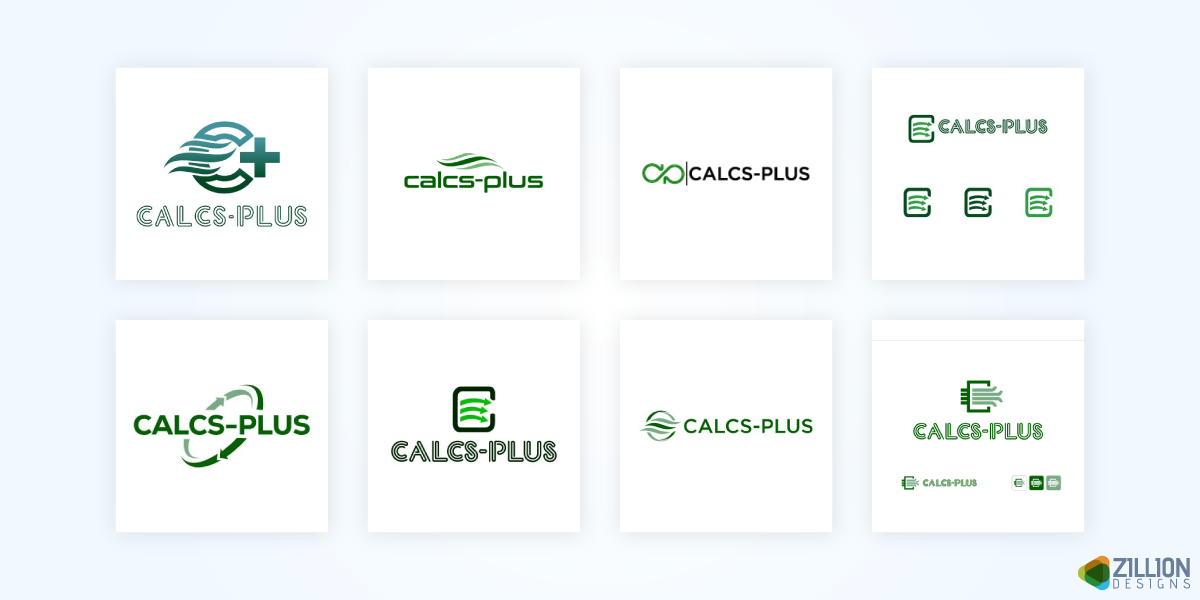
As entries accumulate, move from instinctive reactions to structured evaluation. Start by assessing brand fit—how well each logo reflects your industry, audience, and positioning.
Next, consider simplicity and memorability. Strong logos are easy to recognize and understand at a glance, especially at smaller sizes. Scalability is also essential; designs should work across websites, mobile apps, social media, and print without losing clarity.
Originality matters as well. A good logo should feel distinctive while remaining practical and adaptable.
Step 5: Shortlist Finalists and Request Refinements
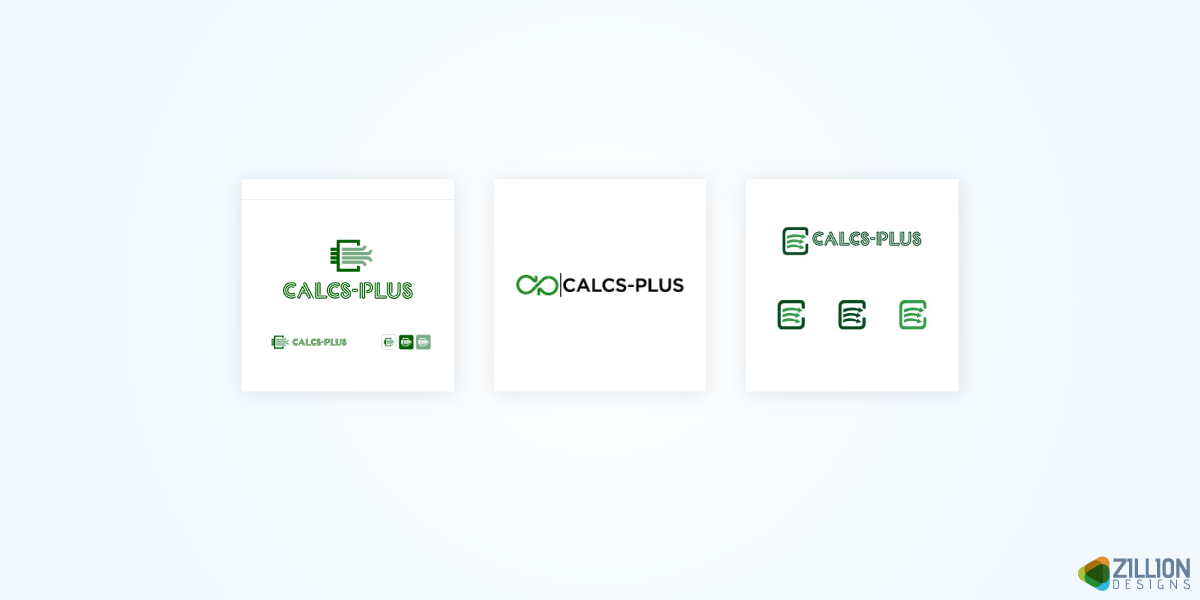
Shortlisting helps narrow your options to a small group of strong contenders. At this stage, request focused refinements rather than full redesigns. Ask designers to improve specific logo elements, explore minor variations, or address usability concerns.
Testing shortlisted logos in real-world mockups—such as website headers, app icons, or business cards—can reveal how well each design performs in practical scenarios.
Step 6: Select the Winning Logo
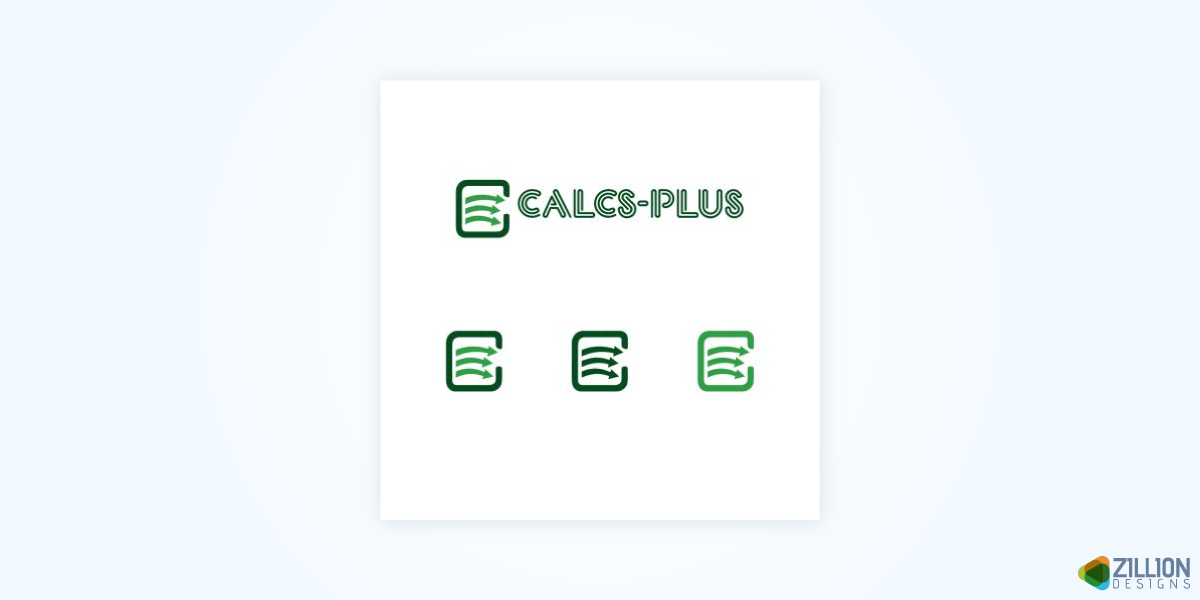
Choosing a winner is about confidence, not perfection. The strongest logo is usually the one that feels clear, flexible, and easy to defend—not necessarily the most complex or visually impressive.
Before finalizing, ensure the design is original and doesn’t closely resemble existing brands, particularly if trademark registration is planned. A good final choice should be easy to explain to stakeholders and capable of growing with your business.
Step 7: Finalize Files and Secure Full Ownership
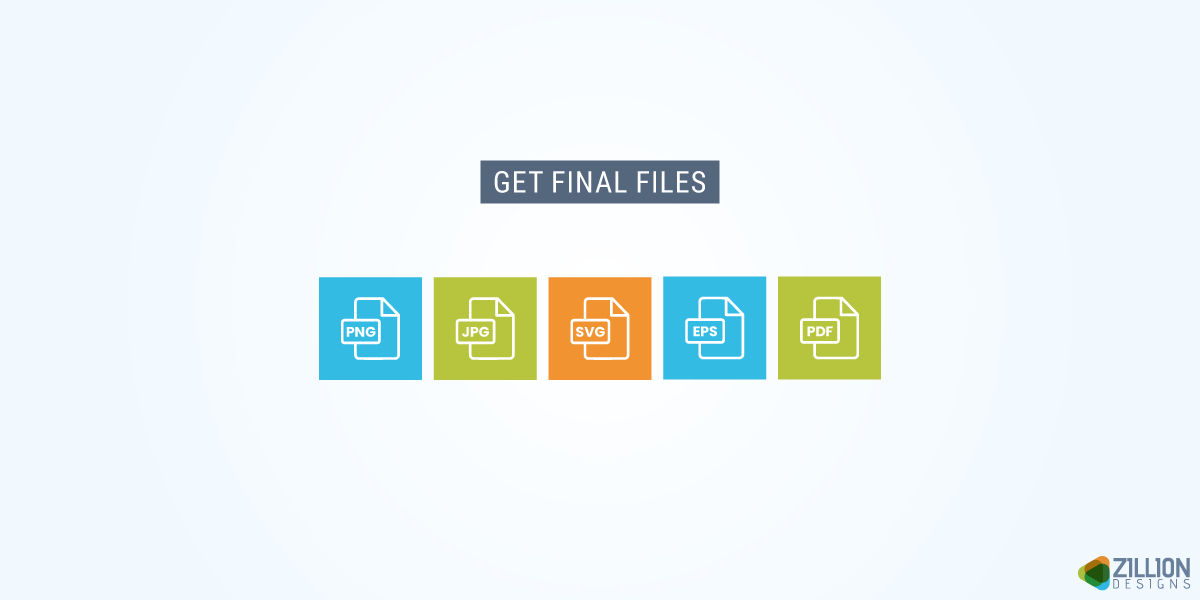
The final step is turning the winning concept into a usable brand asset. Request a complete set of files, including vector formats for scalability and web-ready formats for digital use. Make sure you receive color, black-and-white, and monochrome versions to support different applications.
Typography details and basic usage guidance help maintain consistency as your brand expands. Most importantly, confirm full intellectual property transfer so you have complete ownership and unrestricted rights to use, modify, and trademark the logo.
What Common Mistakes Should You Avoid in a Logo Contest?
Running a logo contest can be an exciting way to explore creative ideas, but even well-prepared startups can fall into common traps. Mistakes in briefing, engagement, or evaluation can lead to wasted time, low-quality submissions, or a final logo that doesn’t truly reflect your brand.
Being aware of these pitfalls—and actively avoiding them—ensures your contest produces a logo that is not only visually appealing but also functional, memorable, and aligned with your long-term brand goals.
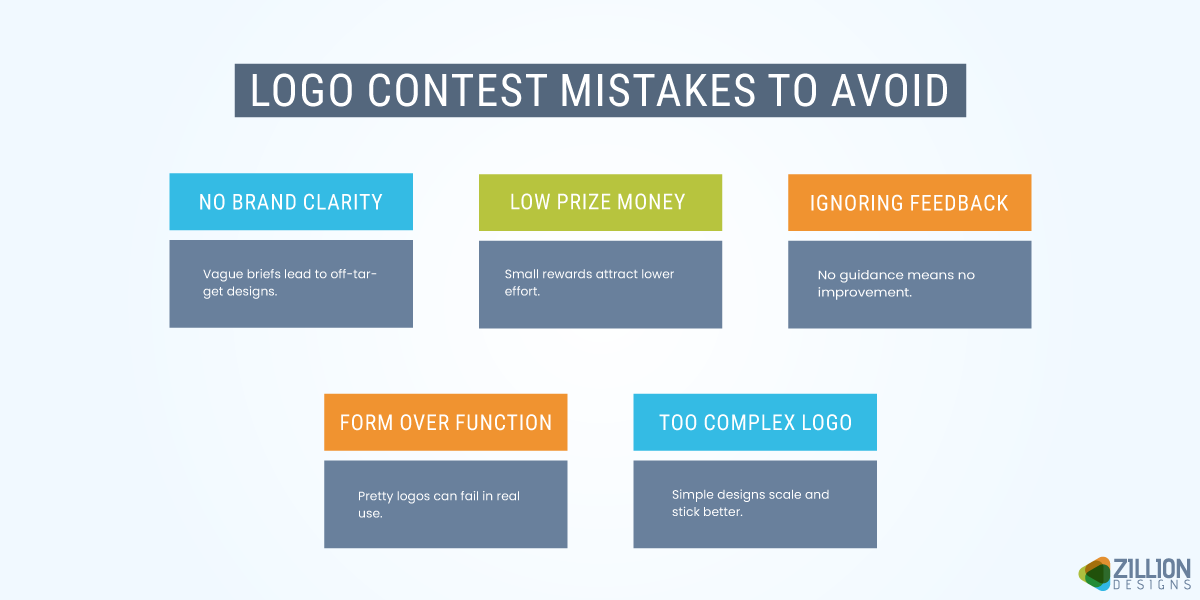
- Unclear Brand Direction: When designers don’t have a clear understanding of your brand, submissions often miss the mark. A structured brief is key to guiding high-quality work.
- Low Prize Money: Offering too small a reward can discourage professional designers from participating and reduce overall effort and creativity.
- Ignoring Feedback: Failing to provide timely guidance or letting submissions stagnate limits iteration and prevents designers from refining their concepts.
- Choosing a Logo Solely on Looks: A design may be visually appealing but ineffective if it doesn’t work across mediums, resonate with your audience, or align with your brand values.
- Overcomplicating the Logo: Complex designs can be hard to reproduce or recognize at small sizes. Simple, clean logos are easier to apply and remember.
What Should You Do After the Contest?
The work doesn’t stop once the contest ends. How you handle the post-contest phase can significantly affect your brand credibility, designer relationships, and the long-term usability of your logo. Treat this stage as an opportunity to reinforce your brand, celebrate participation in a logo contest, and plan for future design needs.
1. Announce the Winner
Sharing the winning logo publicly builds credibility and demonstrates that your brand invests in thoughtful visual marketing and design. A well-timed announcement can generate buzz, attract attention from potential customers, and strengthen your startup’s professional image.
2. Integrate the Logo Across Brand Assets
A logo is only effective if it’s applied consistently. Update all brand touchpoints, including your website design, app design, social media stories, marketing materials, packaging, and company portfolio templates. Consistency ensures the logo communicates your brand identity clearly and strengthens recognition across audiences.
3. Plan Follow-Up Design Work
Consider running additional contests or collaborating with designers from the current contest for other brand assets. This could include business cards, social media templates, packaging, illustrations, or marketing graphics. Leveraging the same creative pool helps maintain stylistic consistency while maximizing the value of your designer relationships.
Launch your Logo Contest with ZillionDesigns!
For startups and small businesses with limited resources, logo contests offer a practical and accessible path to professional branding. You don’t need a large budget, an in-house design team, or years of brand experience to get quality results. By leveraging diverse creative perspectives and providing clear direction, even small teams can access ideas and execution that would otherwise be out of reach.
Ultimately, smart branding decisions come down to clarity, consistency, and confidence. If you’re ready to take the next step, consider starting your logo contest or exploring design platforms to find the workflow that best fits your startup. The sooner you begin, the sooner your brand starts making the right first impression.